Tiếng Việt
 中文 (中国)
 日本語
日本語

To complete trademark registration in Vietnam, applicants must identify a distinctive mark, determine the goods and services to be protected, prepare the required documents, and file an application with the Intellectual Property Office of Vietnam (IPVN). The application then proceeds through formal examination, publication, substantive examination, and a decision on whether protection can be granted….
13
Oct
Oct
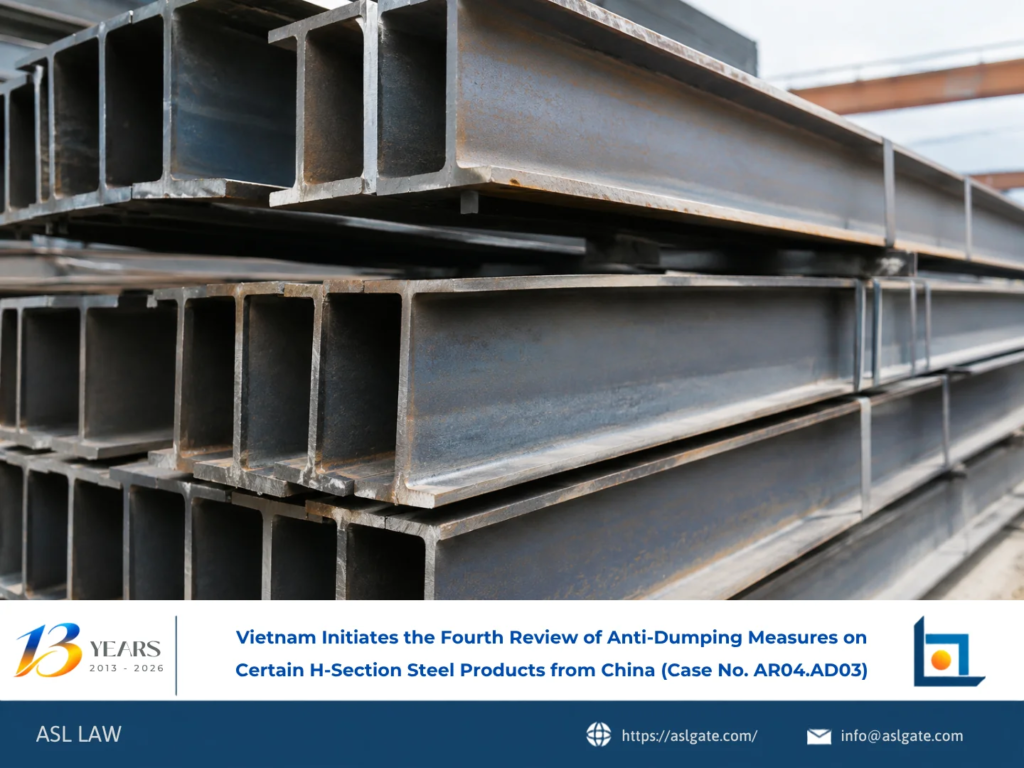
On October 5, 2026, the Ministry of Industry and Trade issued Decision No. 2506/QD-BCT initiating the fourth review of the application of anti-dumping measures on certain H-section steel products originating from the People’s Republic of China (case code AR04.AD03). The review was initiated at the request of Posco Yamato Vina Steel Joint Stock Company, a…
12
Oct
Oct
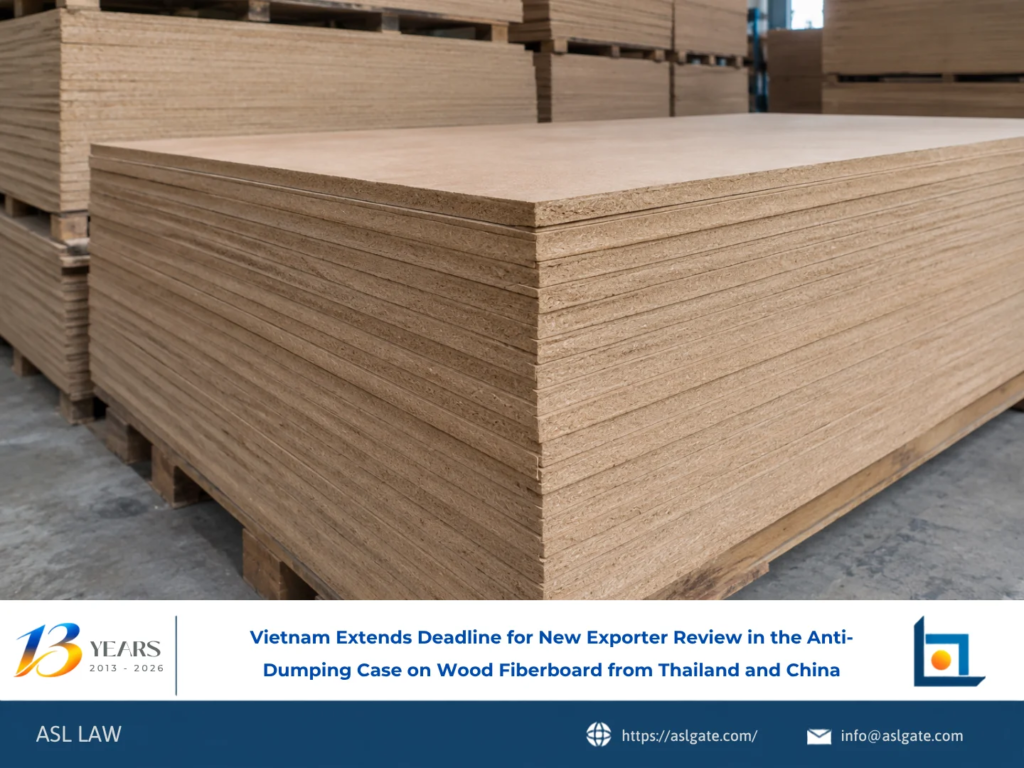
On October 12, 2026, the Ministry of Industry and Trade issued Decision No. 2641/QD-BCT extending the deadline for the new exporter review in the anti-dumping case involving certain wood fiberboard products originating from Thailand and China. Under the decision, the review period has been extended by an additional three months, until January 17, 2027, to…
14
Oct
Oct
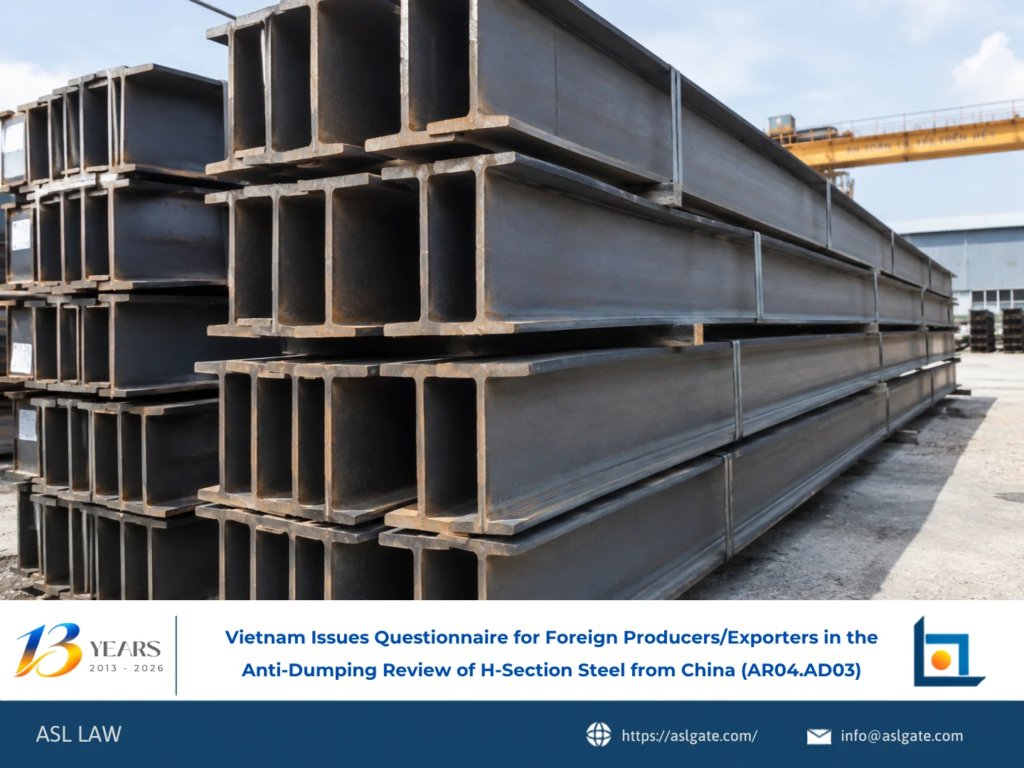
The Trade Remedies Authority of Vietnam has issued a questionnaire for foreign producers/exporters in the fourth review of the application of anti-dumping measures on certain H-section steel products originating from the People’s Republic of China (case code AR04.AD03). On October 5, 2026, the Ministry of Industry and Trade issued Decision No. 2506/QD-BCT initiating the fourth…
02
Oct
Oct
On October 1, 2026, the Trade Remedies Authority of Vietnam (TRAV) issued Notice No. 146/TB-PVTM regarding the acceptance of applications for exemption from the application of trade remedy measures for the 2027 period. The notice was issued pursuant to Articles 12, 13, and 17 of Circular No. 26/2025/TT-BCT dated May 15, 2025, of the Minister…
29
Sep
Sep
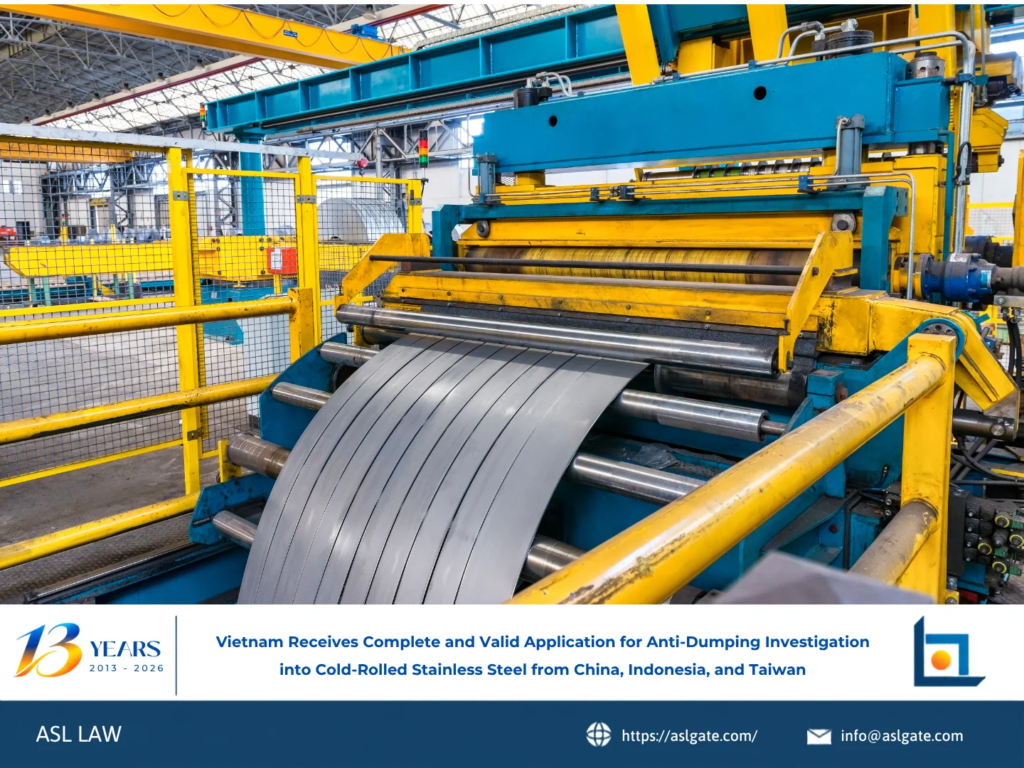
On September 29, 2026, the Trade Remedies Authority of Vietnam (TRAV) confirmed that it had received a complete and valid application requesting the initiation of an anti-dumping investigation into cold-rolled stainless steel products originating from China, Indonesia, and Taiwan. The proceeding began on August 4, 2026, when the TRAV received an application from companies representing…
06
Oct
Oct
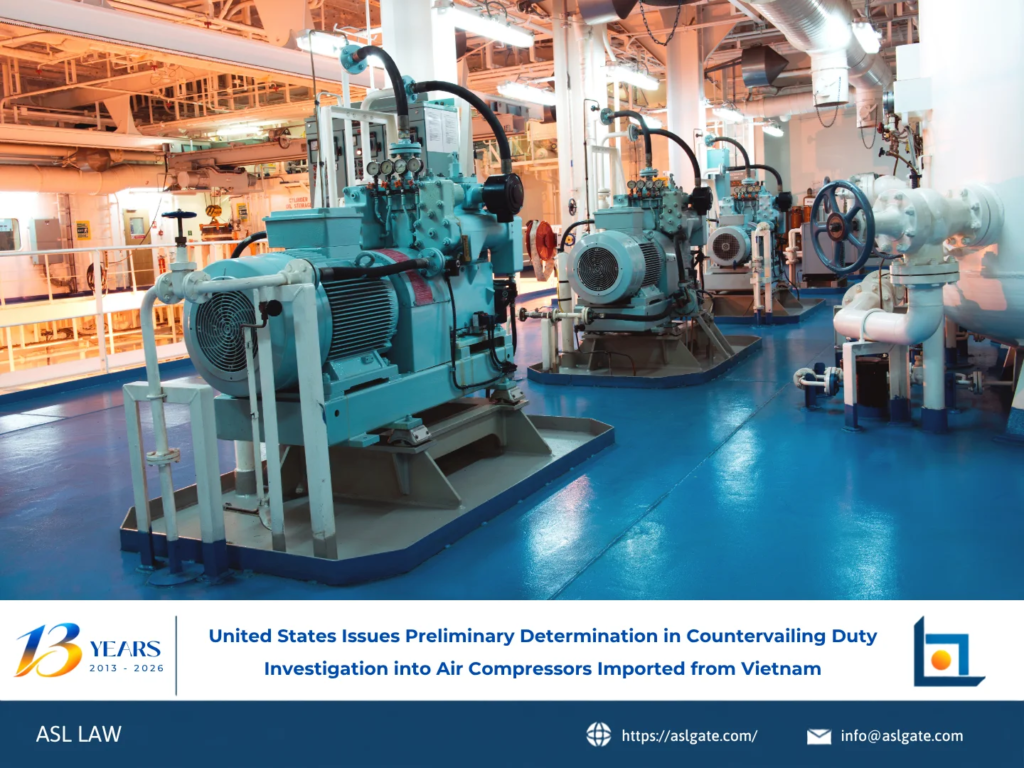
The U.S. Department of Commerce (DOC) recently issued its preliminary determination in the countervailing duty (CVD) investigation into air compressors imported from Vietnam, China, and Malaysia. The investigation was initiated by the DOC on May 21, 2026, based on a petition filed by the U.S. domestic industry. 1. Key Information on the Case Case number:…

05
Oct
Oct
On September 29, 2026, the Directorate General of Trade Remedies (DGTR) of India announced the initiation of anti-dumping (AD) and countervailing duty (CVD) investigations into internally grooved copper tubes and pipes (IGT) originating in or exported from Vietnam, China, and Thailand. The investigations were initiated based on an application filed by MetTube, the sole producer…
06
Oct
Oct
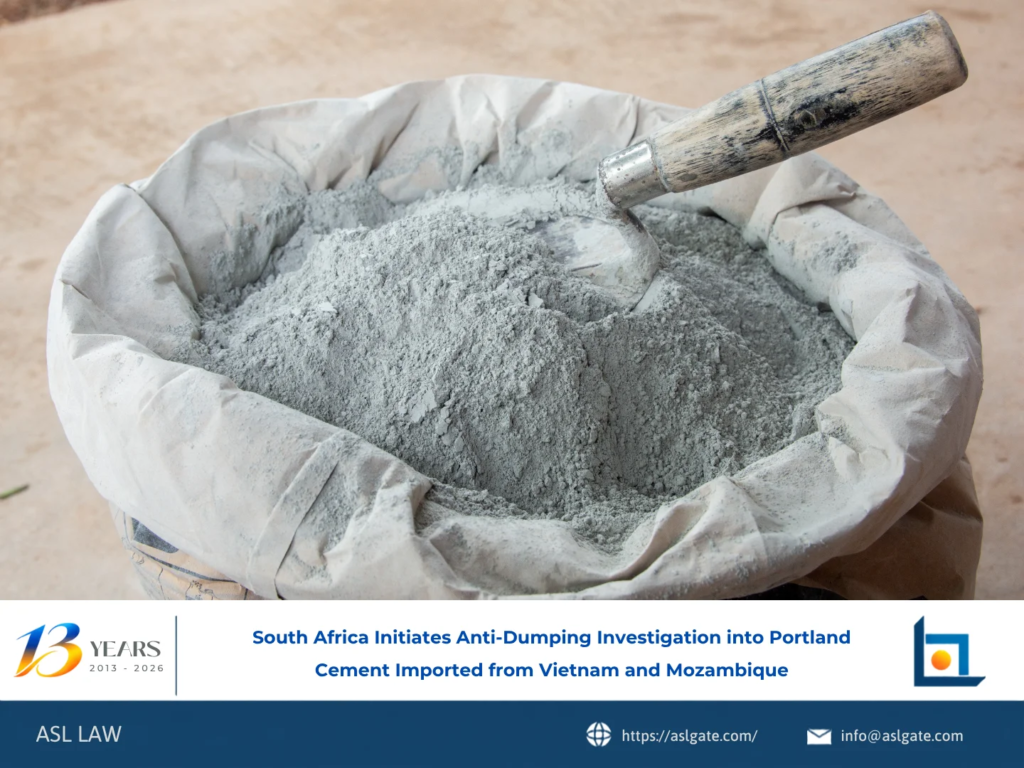
The International Trade Administration Commission of South Africa (ITAC) has initiated an anti-dumping (AD) investigation into Portland cement originating in or imported from Vietnam and Mozambique, following an application filed by Afrimat Industries South Africa Proprietary Limited, Intercement South Africa Proprietary Limited, and Dangote Cement South Africa Proprietary Limited. The applicants allege that the products…

01
Oct
Oct
On the occasion of its 13th anniversary, ASL LAW Firm officially expanded its operations into Central Vietnam with the Grand Opening of its Da Nang Office, located on the 16th Floor, Vietinbank Building, 36 Tran Quoc Toan Street, Hai Chau Ward, Da Nang. The opening ceremony was held on September 22, 2026, at the Grand…