Tiếng Việt
 中文 (中国)
 日本語


Technology transfer can help businesses in Vietnam access new production methods, technical expertise, and competitive advantages. However, unclear intellectual property ownership, licensing restrictions, payment terms, and regulatory obligations can turn a promising transaction into a costly dispute. Addressing legal issues before signing a tech transfer agreement Vietnam allows both parties to define their rights, allocate…

29
Oct
Oct
For Vietnamese businesses expanding overseas, trademark protection is a strategic investment that should follow commercial priorities rather than simply cover as many countries as possible. Identifying priority markets for international trademark from Vietnam requires businesses to assess export opportunities, manufacturing locations, distribution partners, and the risk of third parties registering their brands first. A targeted…

30
Oct
Oct
As Vietnamese businesses expand into international markets, protecting their brands becomes an essential part of sustainable growth. A trademark registered in Vietnam does not automatically protect a brand overseas. Protecting Vietnamese brands internationally therefore requires businesses to identify priority markets, secure trademark rights in those jurisdictions, and establish a strategy for managing and enforcing those…

21
Oct
Oct
Disclosing an invention, product design, technical process, or business concept too early can weaken a company’s ability to secure intellectual property rights or preserve commercial confidentiality. Protecting innovation before disclosure in Vietnam requires businesses to identify valuable assets, select suitable legal protection, and establish confidentiality controls before sharing information with investors, manufacturers, partners, or the…

18
Oct
Oct
Discovering that another party has registered your brand in Vietnam can threaten your market entry, distribution plans, and brand reputation. Because Vietnam generally follows a first-to-file trademark system, businesses that delay filing may face significant obstacles even when they have used their brand elsewhere. However, a prior registration does not automatically mean that every recovery…

19
Oct
Oct
Creators and businesses often assume that copyright registration is essential before they can protect their work in Vietnam. In fact, copyright protection generally arises automatically when an original work is expressed in a tangible form. However, understanding the benefits of registration can help creators make informed decisions about protecting their rights, proving ownership, and responding…

27
Oct
Oct
Intellectual property (IP) is more than a legal asset: it can help businesses differentiate their products, protect innovation, attract investment, and build lasting market positions. Turning IP assets into competitive advantage Vietnam requires companies to move beyond registration and integrate IP protection, commercialisation, and enforcement into their broader business strategies. Why Intellectual Property Matters for…
19
Oct
Oct
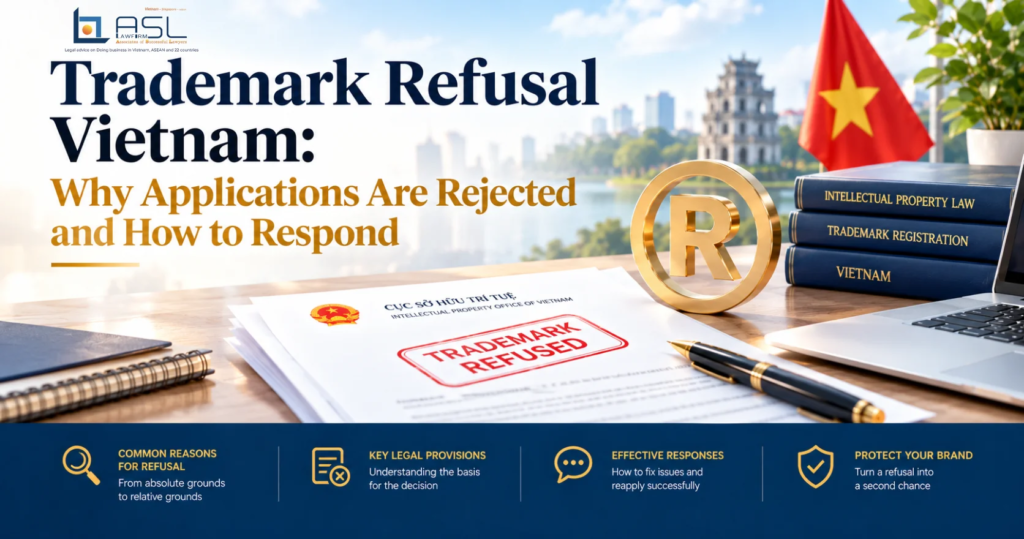
A trademark application in Vietnam may be refused because the proposed mark lacks distinctiveness, conflicts with an earlier trademark, falls within a category of signs prohibited by law, or does not satisfy other statutory requirements. Under Article 117 of Vietnam’s Law on Intellectual Property, an application may also be refused where the applicant lacks the…
17
Oct
Oct
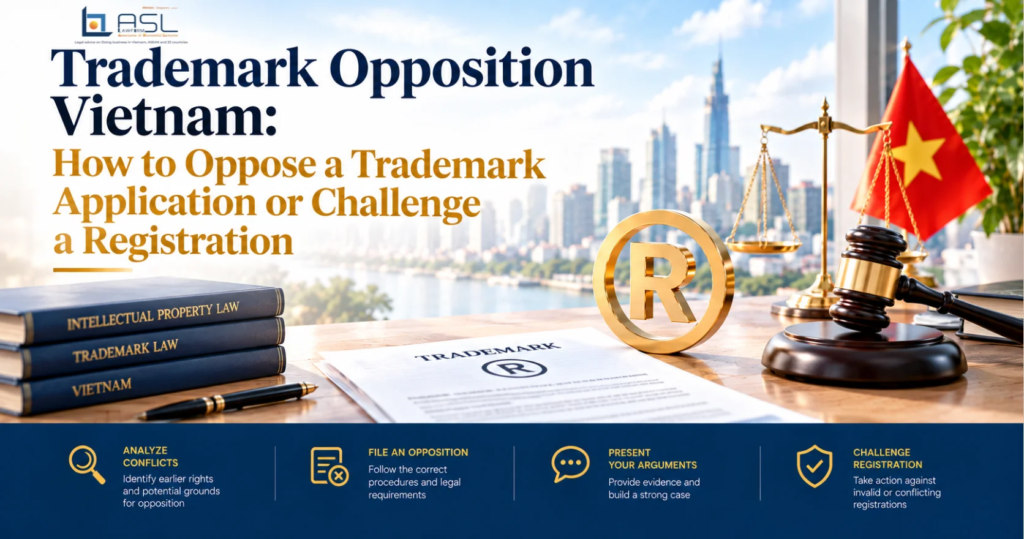
Businesses that discover a trademark application in Vietnam that is identical or confusingly similar to their existing brand may oppose its registration before the Intellectual Property Office of Vietnam (IPVN). For trademark applications published from April 1, 2026, the statutory opposition period is three months from publication. The opponent must submit a written objection in…

19
Oct
Oct
The trademark registration timeline Vietnam businesses should plan for depends on the application’s filing date, examination stages, and any issues that arise during processing. For trademark applications published from April 1, 2026, the revised legal framework provides for publication within one month after an application is deemed valid and substantive examination within five months from…