Tiếng Việt
 中文 (中国)
 日本語

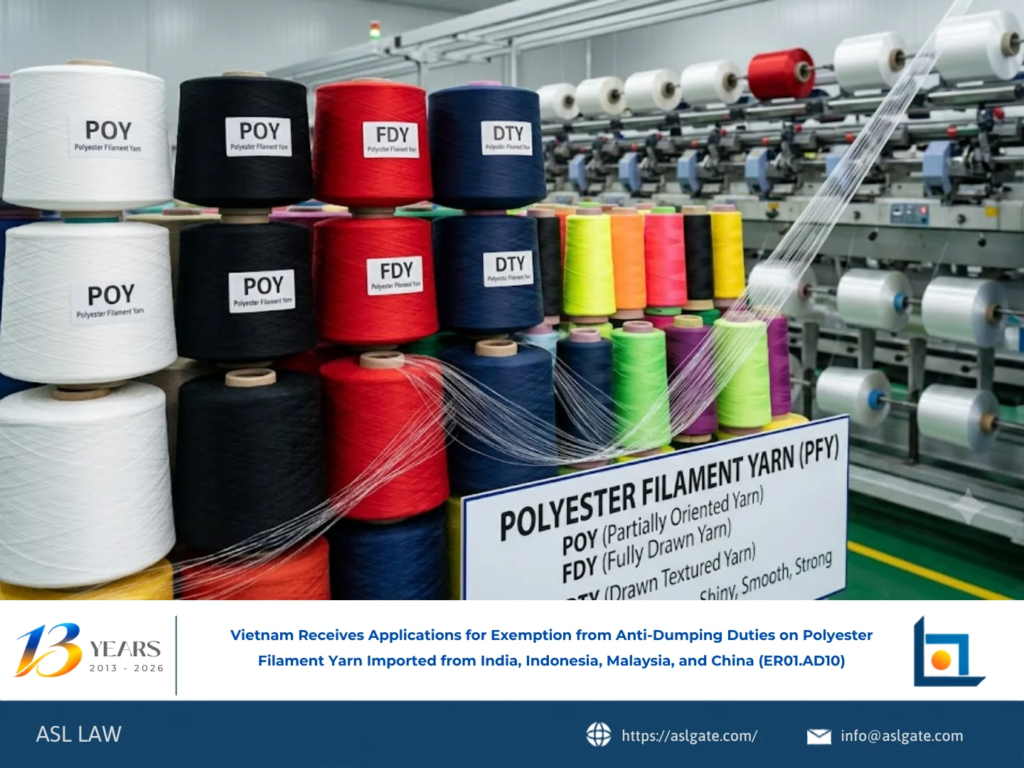
On October 13, 2026, the Ministry of Industry and Trade issued Decision No. 2652/QĐ-BCT on the final results of the expiry review of anti-dumping measures on certain polyester filament yarn products imported from India, Indonesia, Malaysia, and China. In accordance with current regulations, the Trade Remedies Authority of Vietnam has announced that it is receiving…

20
Oct
Oct
On October 14, 2026, the United States Department of Commerce (DOC) announced the preliminary results of the administrative review of anti-dumping duties on paper shopping bags imported from Vietnam for the period from January 3, 2024, to June 30, 2025. The DOC preliminarily determined a dumping margin of 28.52% for the sole mandatory respondent participating…

11
Oct
Oct
On October 7, 2026, the Canadian International Trade Tribunal (CITT) issued its expiry review determination concerning anti-dumping measures on oil country tubular goods (OCTG) originating in or exported from Vietnam and certain other countries and territories. The Tribunal decided to continue the measures against goods from Vietnam while terminating the measures applicable to goods from…
13
Oct
Oct
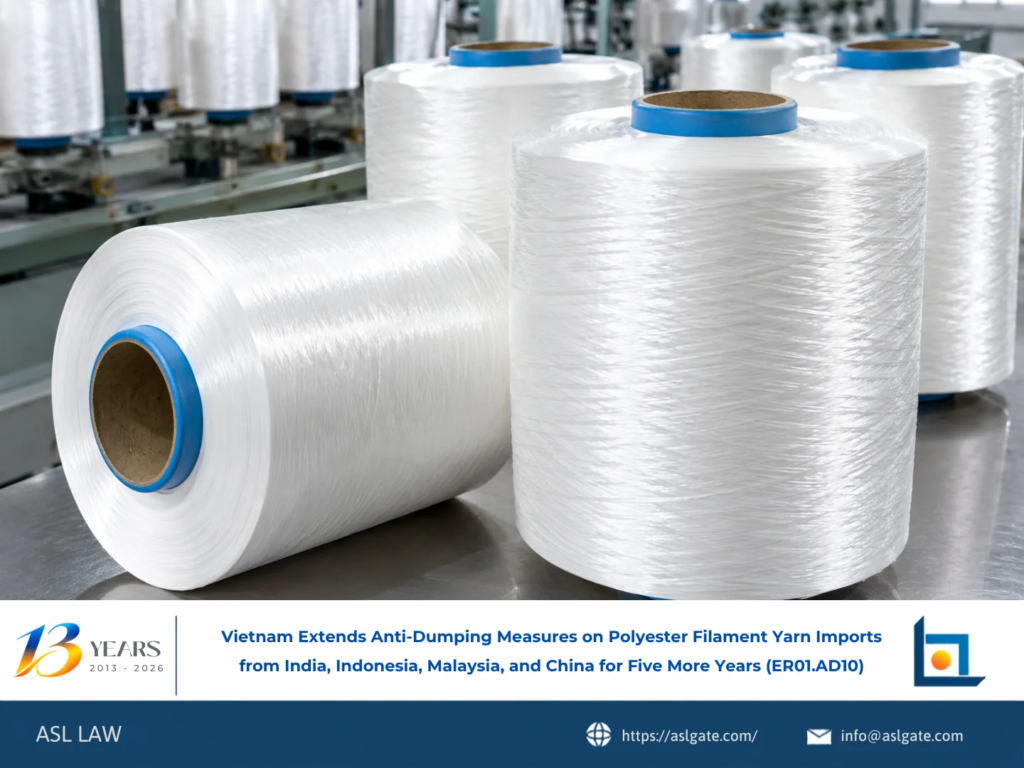
On October 13, 2026, the Ministry of Industry and Trade issued Decision No. 2652/QD-BCT announcing the results of the expiry review of anti-dumping measures on polyester filament yarn originating from India, Indonesia, Malaysia, and China. Based on the review findings, the anti-dumping measures have been extended for an additional five years to prevent the continuation…

16
Oct
Oct
On October 14, 2026, the European Commission (EC) announced its proposed provisional anti-dumping duties on coiled copper tubes and pipes imported from China, Mexico, Uzbekistan, and Vietnam. For Vietnamese companies, the proposed duty rates range from 12.4% to 14.4%. These are proposed rates for reference purposes only and have not yet become definitive applicable duties….
19
Oct
Oct
A trademark application in Vietnam may be refused because the proposed mark lacks distinctiveness, conflicts with an earlier trademark, falls within a category of signs prohibited by law, or does not satisfy other statutory requirements. Under Article 117 of Vietnam’s Law on Intellectual Property, an application may also be refused where the applicant lacks the…
17
Oct
Oct
Businesses that discover a trademark application in Vietnam that is identical or confusingly similar to their existing brand may oppose its registration before the Intellectual Property Office of Vietnam (IPVN). For trademark applications published from April 1, 2026, the statutory opposition period is three months from publication. The opponent must submit a written objection in…

19
Oct
Oct
The trademark registration timeline Vietnam businesses should plan for depends on the application’s filing date, examination stages, and any issues that arise during processing. For trademark applications published from April 1, 2026, the revised legal framework provides for publication within one month after an application is deemed valid and substantive examination within five months from…

21
Oct
Oct
The trademark registration cost Vietnam businesses should budget for consists of government fees and, where applicable, professional service fees charged by a trademark representative or lawyer. For a standard application covering one class and up to six goods or services, the currently published basic official charges total approximately VND 1,325,000 before any eligible VNeID exemption,…

22
Oct
Oct
To conduct a trademark search in Vietnam before registration, businesses should search for the proposed brand name and its variations in official trademark databases, examine similar marks covering related goods and services, and assess potential conflicts with earlier rights. A reliable trademark search Vietnam strategy should consider spelling, pronunciation, visual similarities, relevant goods and services,…