Tiếng Việt
 中文 (中国)
 日本語
日本語
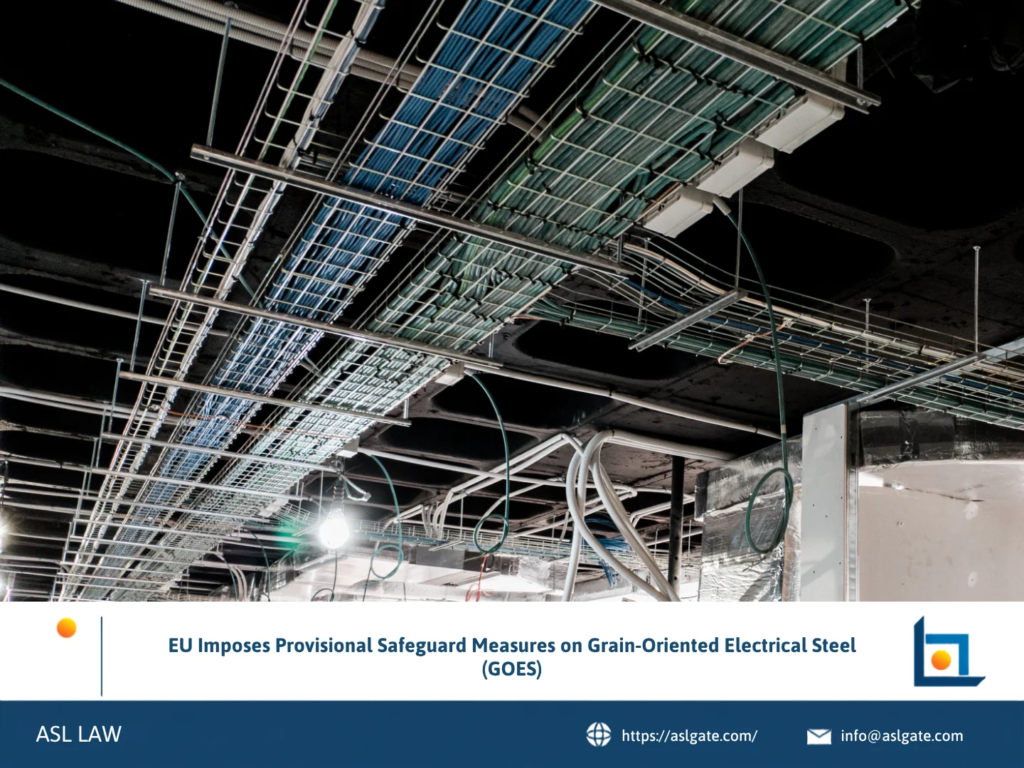
On September 18, 2026, the European Commission (EC) issued Implementing Regulation (EU) 2026/2133 imposing provisional safeguard measures on certain grain-oriented electrical steel (GOES) products and certain steel sheets and cores used in transformers and inductors. The measures will take effect on September 25, 2026, and will apply for 155 days, until February 26, 2027. Notably,…
25
Sep
Sep
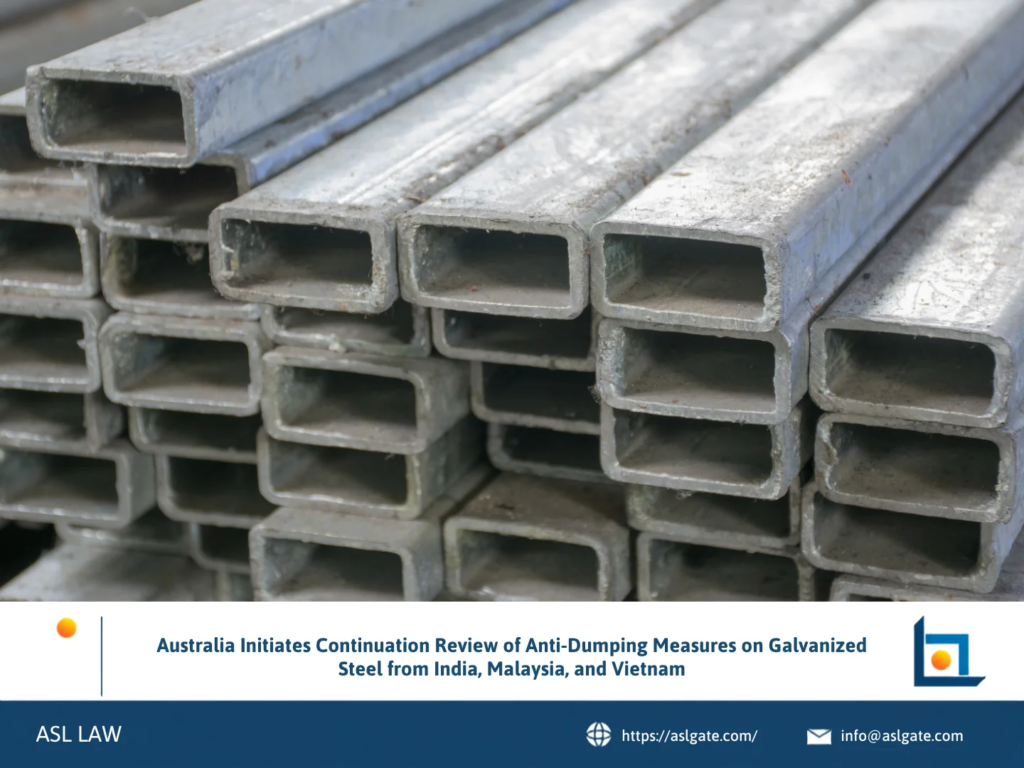
On September 9, 2026, the Australian Anti-Dumping Commission (ADC) initiated an inquiry to review the continuation of anti-dumping measures on galvanized steel imported from India, Malaysia, and Vietnam. The review was initiated following an application by BlueScope Steel to assess whether the expiry of the existing measures in August 2027 would likely result in the…

23
Sep
Sep
On September 23, 2026, the Trade Remedies Authority (TRAV) under the Ministry of Industry and Trade of Vietnam announced that Brazil’s Ministry of Development, Industry, Foreign Trade and Services (MDIC) had published the final results of the anti-dumping investigation concerning PET resin originating from Vietnam and Malaysia. Brazil has decided to impose definitive anti-dumping duties…
25
Sep
Sep
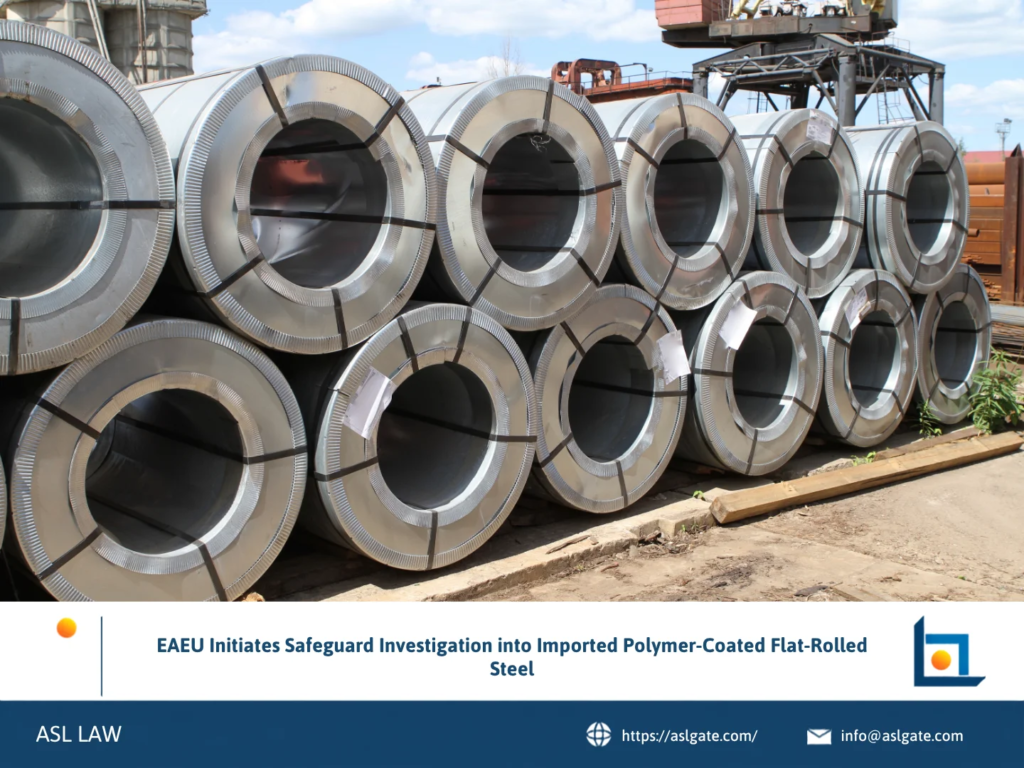
On September 7, 2026, the Department for Protection of the Internal Market of the Eurasian Economic Commission (EEC) initiated a safeguard investigation into imported flat-rolled steel coated with polymers entering the Eurasian Economic Union (EAEU), case No. SG-15. The investigation was initiated based on an application filed by three EAEU producers: PJSC Magnitogorsk Iron and…
20
Oct
Oct
Against the backdrop of Vietnam’s continuously evolving tax system, businesses have various opportunities to structure their operations and make use of lawful tax policies to control costs. A legal tax cost optimization strategy for businesses in Vietnam is not about avoiding tax obligations, but about organizing business activities, expenses, and tax documentation in accordance with…
21
Sep
Sep
Vietnam’s energy sector is entering a period of major investment and regulatory development, creating substantial opportunities for domestic and foreign investors. At the same time, large-scale power and energy projects often involve complicated investment approvals, land access, construction, environmental requirements, grid connection, electricity purchase arrangements and sector-specific regulations. The legal challenges in Vietnam energy project…
20
Oct
Oct
As financial activities become increasingly connected with credit, electronic payments, cross-border transactions, and digital data, businesses in Vietnam are facing more extensive legal requirements in raising, using, and transferring funds. Legal risks in corporate finance and banking that businesses need to control do not only concern credit agreements or repayment obligations, but also involve foreign…

22
Sep
Sep
Contract drafting in Vietnam is often treated as a matter of documenting the commercial agreement between the parties. In practice, however, many disputes arise not from the headline commercial terms but from gaps in seemingly secondary provisions. Commonly overlooked contract clauses in Vietnam concerning payment timing, liability, intellectual property, confidentiality, termination, dispute resolution and contract…

19
Sep
Sep
The golden time for M&A deals in Vietnam is rarely determined by a single market indicator. Instead, it emerges when valuation, capital availability, business performance, regulatory conditions, and the strategic objectives of both buyers and sellers converge. In 2026, Vietnam’s M&A market is showing clearer signs of recovery, making the question of when to transact…

19
Sep
Sep
Vietnam’s franchise sector is entering a new phase as consumer demand, urbanization, digital commerce, and the expansion of domestic and international brands create new opportunities for business growth. For franchisors, franchisees, and investors, the market offers significant room for expansion, but success depends on more than having a recognizable brand. Understanding the explosive franchise opportunities…