Tiếng Việt
 中文 (中国)
 日本語

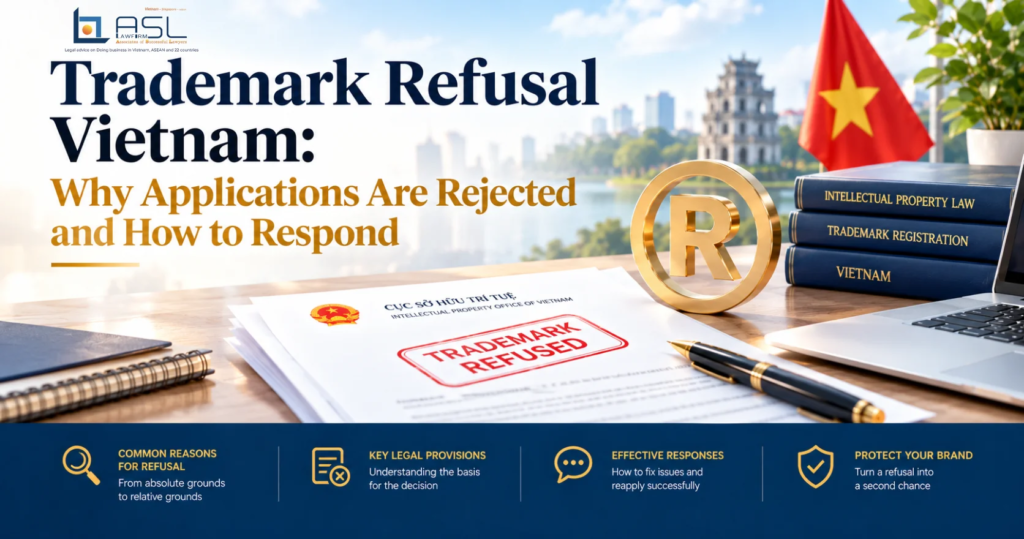
A trademark application in Vietnam may be refused because the proposed mark lacks distinctiveness, conflicts with an earlier trademark, falls within a category of signs prohibited by law, or does not satisfy other statutory requirements. Under Article 117 of Vietnam’s Law on Intellectual Property, an application may also be refused where the applicant lacks the…
17
Oct
Oct
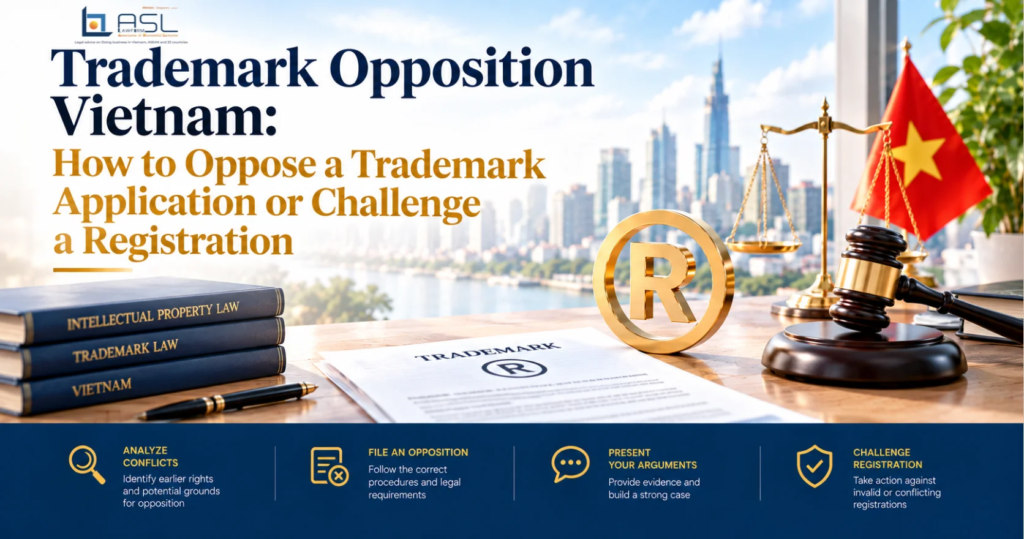
Businesses that discover a trademark application in Vietnam that is identical or confusingly similar to their existing brand may oppose its registration before the Intellectual Property Office of Vietnam (IPVN). For trademark applications published from April 1, 2026, the statutory opposition period is three months from publication. The opponent must submit a written objection in…

19
Oct
Oct
The trademark registration timeline Vietnam businesses should plan for depends on the application’s filing date, examination stages, and any issues that arise during processing. For trademark applications published from April 1, 2026, the revised legal framework provides for publication within one month after an application is deemed valid and substantive examination within five months from…

19
Oct
Oct
To complete trademark registration in Vietnam, applicants must identify a distinctive mark, determine the goods and services to be protected, prepare the required documents, and file an application with the Intellectual Property Office of Vietnam (IPVN). The application then proceeds through formal examination, publication, substantive examination, and a decision on whether protection can be granted….
18
Aug
Aug
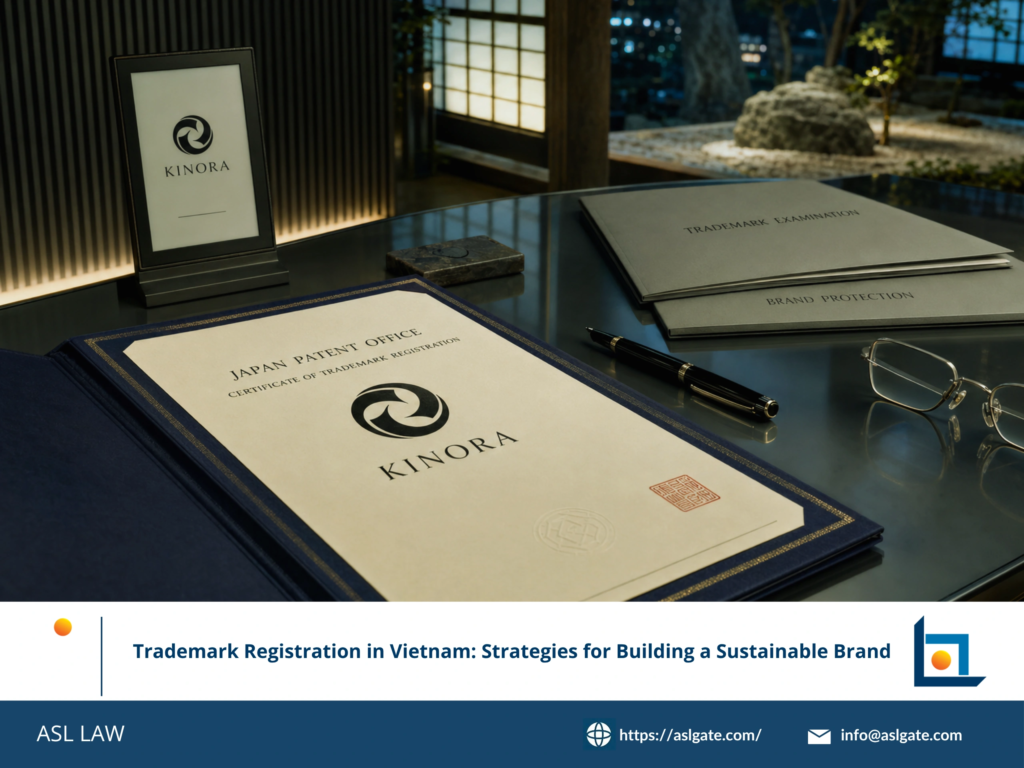
In today’s competitive marketplace, a strong brand is far more than a logo or a business name—it is a valuable intangible asset that influences customer trust, market recognition, and long-term business growth. As Vietnam continues to attract domestic and foreign investment, trademark registration has become an essential legal tool for protecting brand identity and supporting…