Tiếng Việt
 中文 (中国)
 日本語

As Vietnamese businesses expand into international markets, protecting their brands becomes an essential part of sustainable growth. A trademark registered in Vietnam does not automatically protect a brand overseas. Protecting Vietnamese brands internationally therefore requires businesses to identify priority markets, secure trademark rights in those jurisdictions, and establish a strategy for managing and enforcing those…
21
Oct
Oct
Disclosing an invention, product design, technical process, or business concept too early can weaken a company’s ability to secure intellectual property rights or preserve commercial confidentiality. Protecting innovation before disclosure in Vietnam requires businesses to identify valuable assets, select suitable legal protection, and establish confidentiality controls before sharing information with investors, manufacturers, partners, or the…

18
Oct
Oct
Discovering that another party has registered your brand in Vietnam can threaten your market entry, distribution plans, and brand reputation. Because Vietnam generally follows a first-to-file trademark system, businesses that delay filing may face significant obstacles even when they have used their brand elsewhere. However, a prior registration does not automatically mean that every recovery…

19
Oct
Oct
Creators and businesses often assume that copyright registration is essential before they can protect their work in Vietnam. In fact, copyright protection generally arises automatically when an original work is expressed in a tangible form. However, understanding the benefits of registration can help creators make informed decisions about protecting their rights, proving ownership, and responding…

27
Oct
Oct
Intellectual property (IP) is more than a legal asset: it can help businesses differentiate their products, protect innovation, attract investment, and build lasting market positions. Turning IP assets into competitive advantage Vietnam requires companies to move beyond registration and integrate IP protection, commercialisation, and enforcement into their broader business strategies. Why Intellectual Property Matters for…
18
Oct
Oct
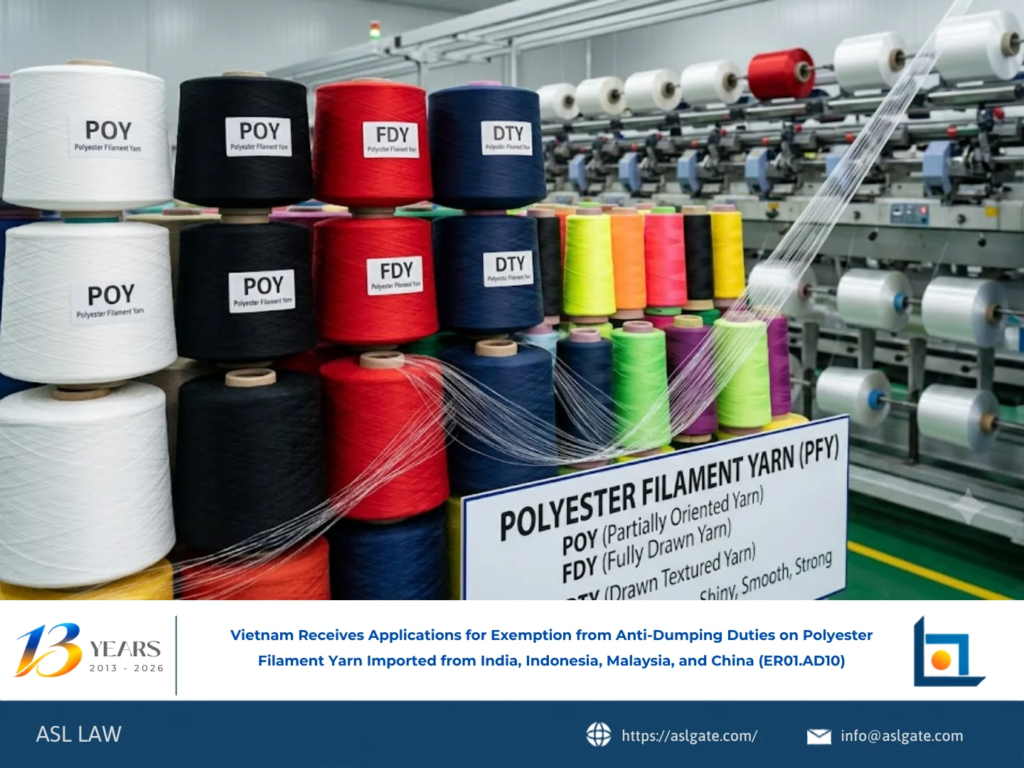
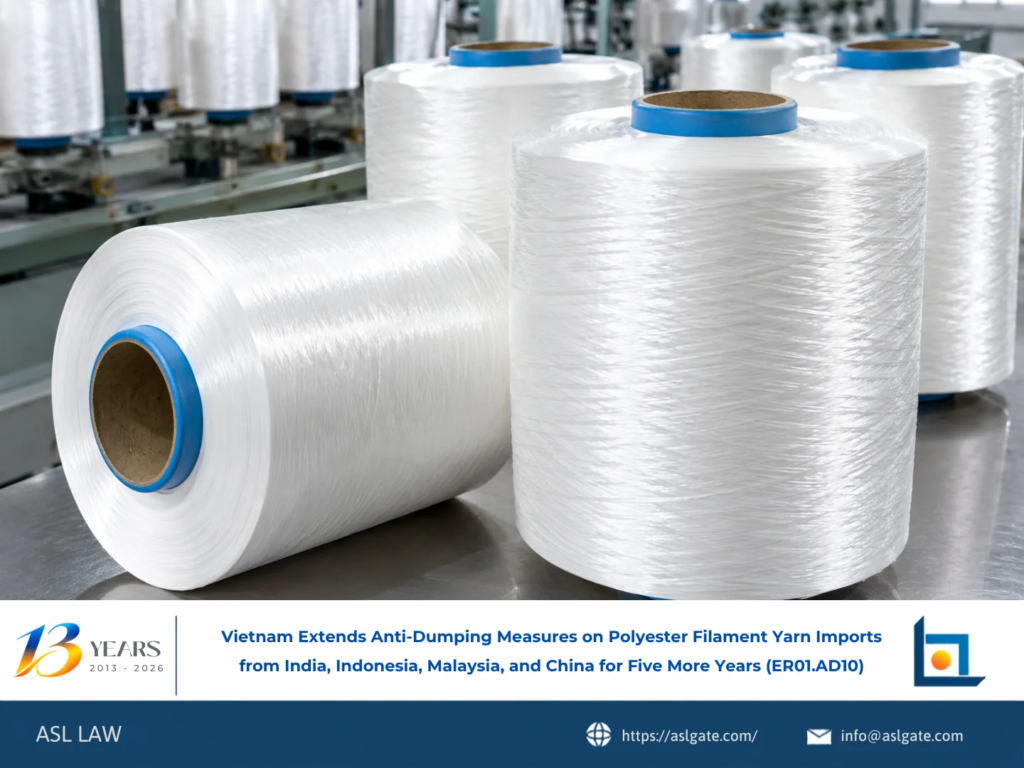
On October 13, 2026, the Ministry of Industry and Trade issued Decision No. 2652/QĐ-BCT on the final results of the expiry review of anti-dumping measures on certain polyester filament yarn products imported from India, Indonesia, Malaysia, and China. In accordance with current regulations, the Trade Remedies Authority of Vietnam has announced that it is receiving…

20
Oct
Oct
On October 14, 2026, the United States Department of Commerce (DOC) announced the preliminary results of the administrative review of anti-dumping duties on paper shopping bags imported from Vietnam for the period from January 3, 2024, to June 30, 2025. The DOC preliminarily determined a dumping margin of 28.52% for the sole mandatory respondent participating…
11
Oct
Oct
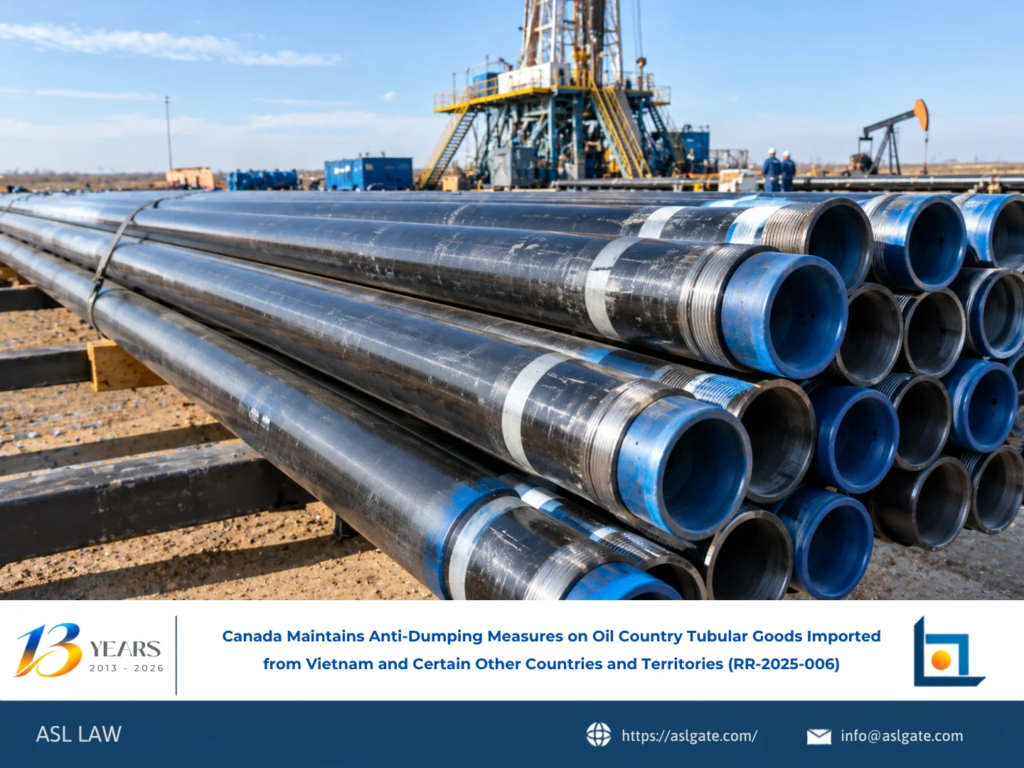
On October 7, 2026, the Canadian International Trade Tribunal (CITT) issued its expiry review determination concerning anti-dumping measures on oil country tubular goods (OCTG) originating in or exported from Vietnam and certain other countries and territories. The Tribunal decided to continue the measures against goods from Vietnam while terminating the measures applicable to goods from…
13
Oct
Oct
On October 13, 2026, the Ministry of Industry and Trade issued Decision No. 2652/QD-BCT announcing the results of the expiry review of anti-dumping measures on polyester filament yarn originating from India, Indonesia, Malaysia, and China. Based on the review findings, the anti-dumping measures have been extended for an additional five years to prevent the continuation…
16
Oct
Oct
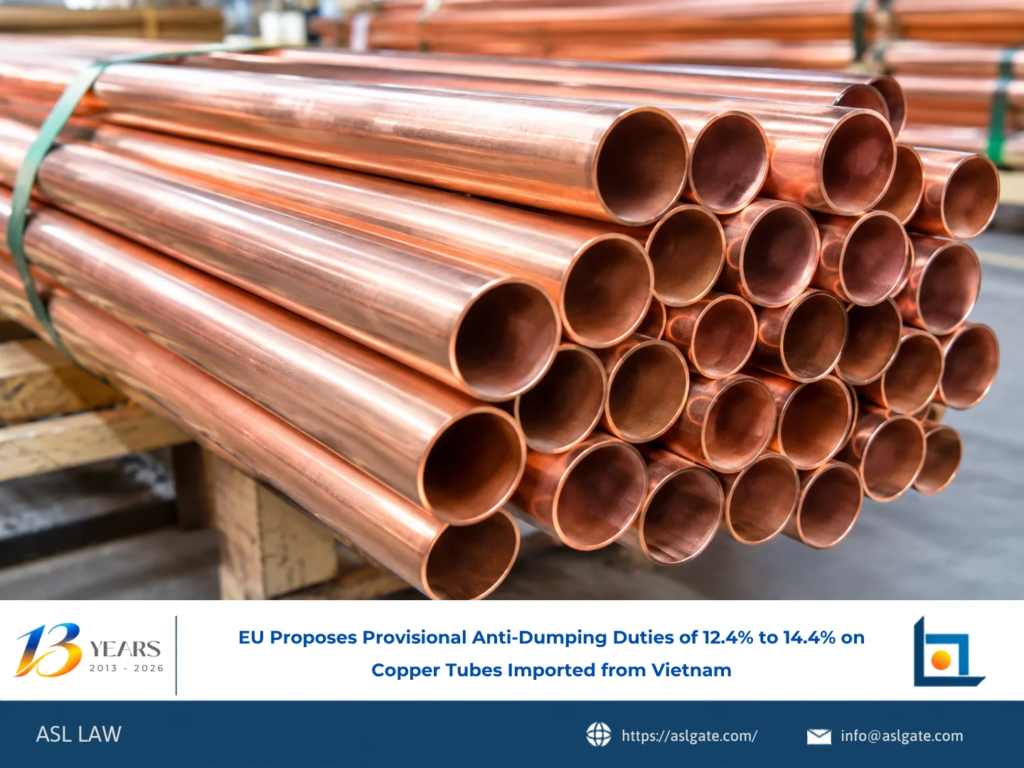
On October 14, 2026, the European Commission (EC) announced its proposed provisional anti-dumping duties on coiled copper tubes and pipes imported from China, Mexico, Uzbekistan, and Vietnam. For Vietnamese companies, the proposed duty rates range from 12.4% to 14.4%. These are proposed rates for reference purposes only and have not yet become definitive applicable duties….