Tiếng Việt
 中文 (中国)
 日本語
日本語
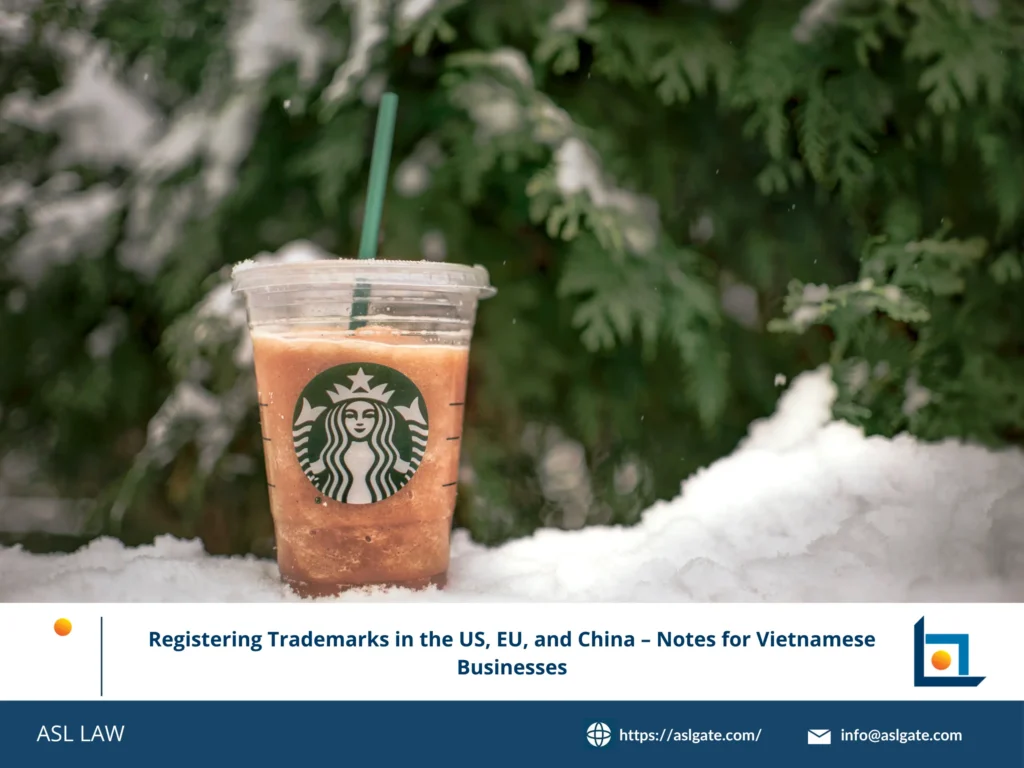
In an era of rapid globalization and digital expansion, trademark registration has become an essential step for Vietnamese businesses seeking to protect their brands abroad. The US, EU, and China remain three of the most strategic markets for international growth, yet each jurisdiction has its own unique procedures and challenges. Understanding these differences is crucial…

28
Oct
Oct
As global trade and cross-border digital commerce continue to expand, securing brand protection beyond national borders has become an urgent priority for enterprises. The international trademark registration Madrid system 2025 Vietnam offers an efficient, cost-effective mechanism for businesses to safeguard their trademarks across multiple jurisdictions. For foreign investors, tech entrepreneurs, and legal professionals operating in…
28
Oct
Oct
In Vietnam’s rapidly evolving innovation ecosystem, transforming patented ideas into market-ready products is becoming the key to business competitiveness. Patent commercialization is no longer just about protection—it’s about profitability. For foreign investors, tech entrepreneurs, and legal professionals, understanding how to strategically commercialize patents in Vietnam can determine whether an invention remains an abstract concept or…
14
May
May
In an era where artificial intelligence (AI) redefines how consumers search, interact, and identify brands, traditional approaches to trademark registration are no longer sufficient. Businesses entering or expanding in Vietnam must now rethink their trademark registration AI search Vietnam strategies to ensure that their brands remain discoverable and legally protected in an AI-driven marketplace. Contact…
30
Jun
Jun
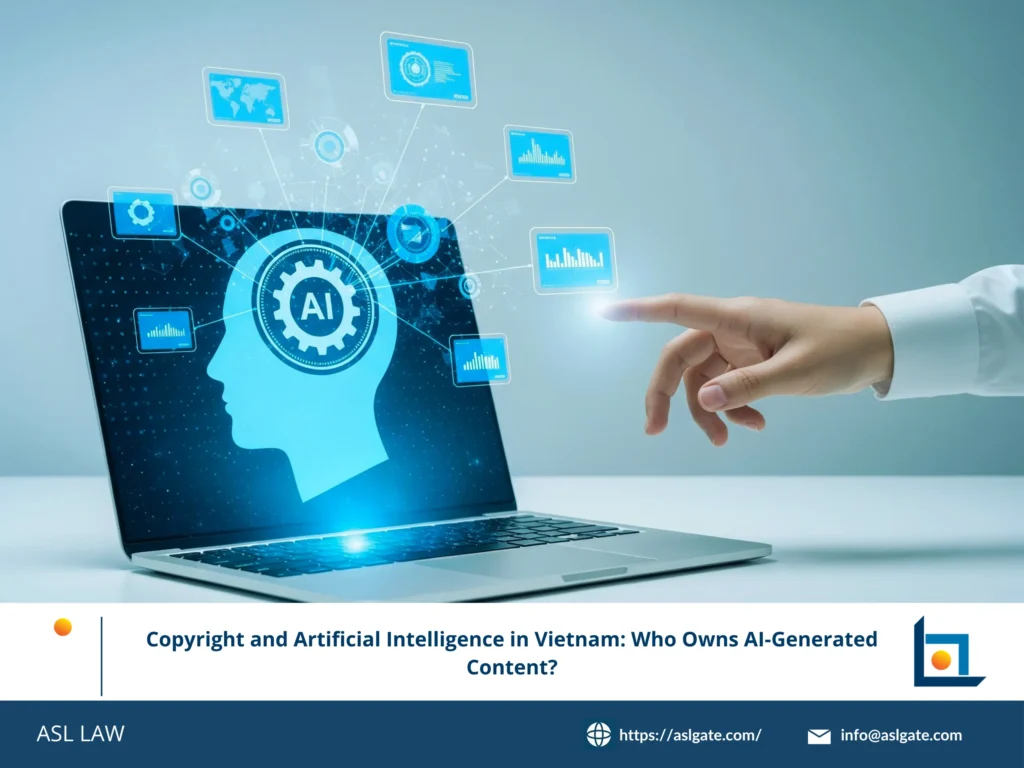
As artificial intelligence (AI) continues to revolutionize creative industries, the question of who owns AI-generated content has become increasingly important for Vietnamese businesses, creators, and regulators. In Vietnam, copyright protection is traditionally linked to human authorship, but AI systems are now capable of producing music, art, code, and written works without direct human involvement. This…
14
May
May
In today’s rapidly evolving technological landscape, artificial intelligence (AI) has become a driving force behind innovation, creativity, and business transformation. However, as Vietnamese enterprises embrace AI to enhance productivity and competitiveness, the question of how to effectively safeguard intellectual property (IP) rights has never been more critical. Understanding the interplay between intellectual property and AI…
22
Oct
Oct
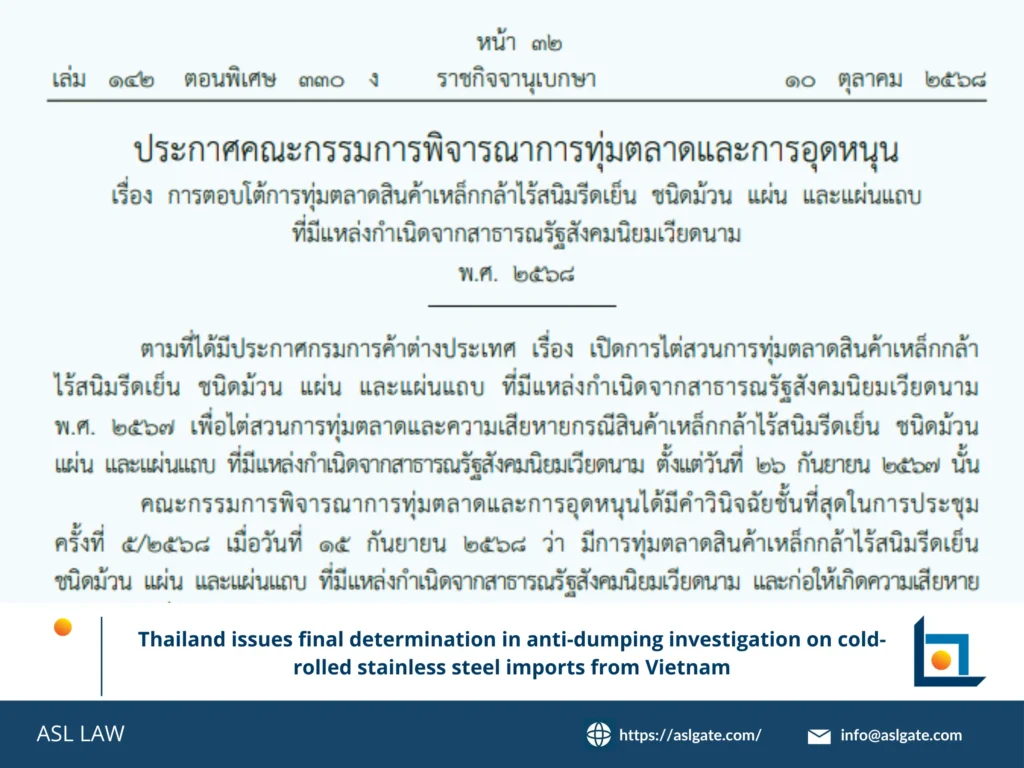
On October 17, 2025, the Trade Remedies Authority of Vietnam (TRAV) — under the Ministry of Industry and Trade — received information from the Vietnam Trade Office in Thailand that the Department of Foreign Trade (DFT) of Thailand had issued its final determination in the anti-dumping investigation concerning cold-rolled stainless steel products originating in or…
21
Oct
Oct
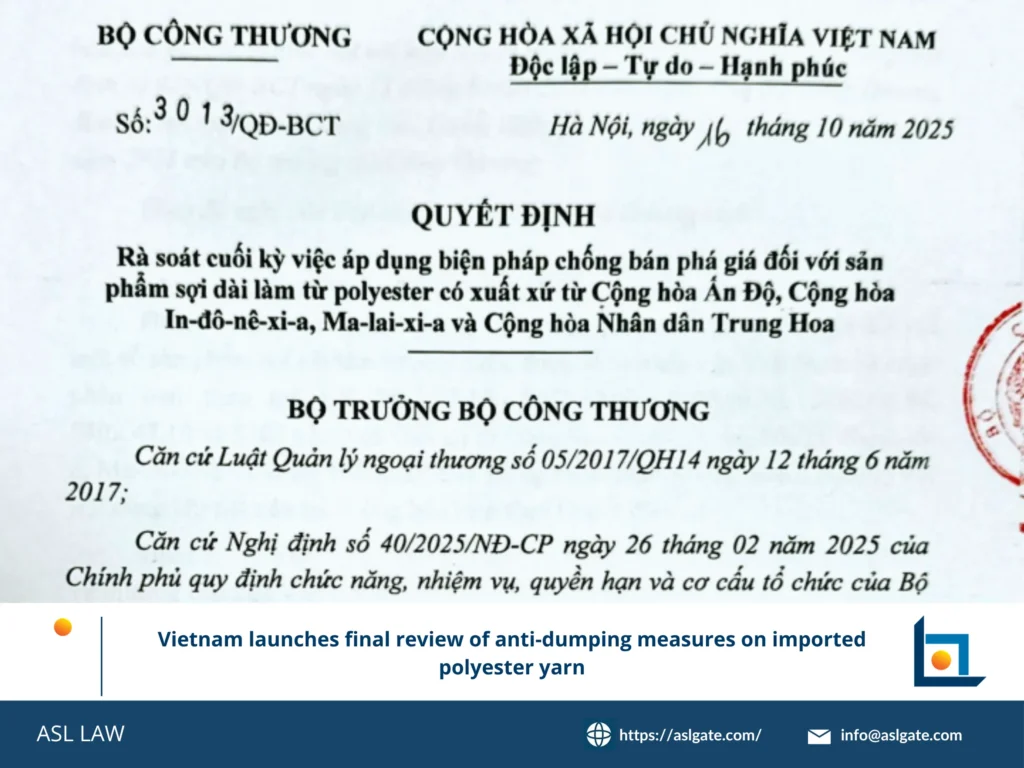
On October 16, 2025, the Ministry of Industry and Trade (MOIT) issued Decision No. 3013/QD-BCT on the initiation of the final review of anti-dumping measures imposed on polyester staple yarn originating from India, Indonesia, Malaysia, and China (case code ER01.AD10). After four years of applying the anti-dumping measures, the review is conducted in accordance with…

21
Oct
Oct
Contract drafting is a core legal service that plays a vital role in minimizing risks and ensuring the enforceability of agreements in Vietnam. A well-drafted contract not only protects the rights and obligations of parties but also reflects the professionalism and strategic vision of businesses when engaging in commercial activities. Principles of Contract Drafting in…

21
Oct
Oct
Mergers and acquisitions (M&A) have become a dynamic tool for businesses seeking growth, market expansion, or restructuring in Vietnam. While the M&A market offers vast opportunities, investors and companies must carefully evaluate the models and legal frameworks to avoid costly risks. Common Models of M&A in Vietnam Share Acquisition One of the most common M&A…