Tiếng Việt
 中文 (中国)
 日本語
日本語
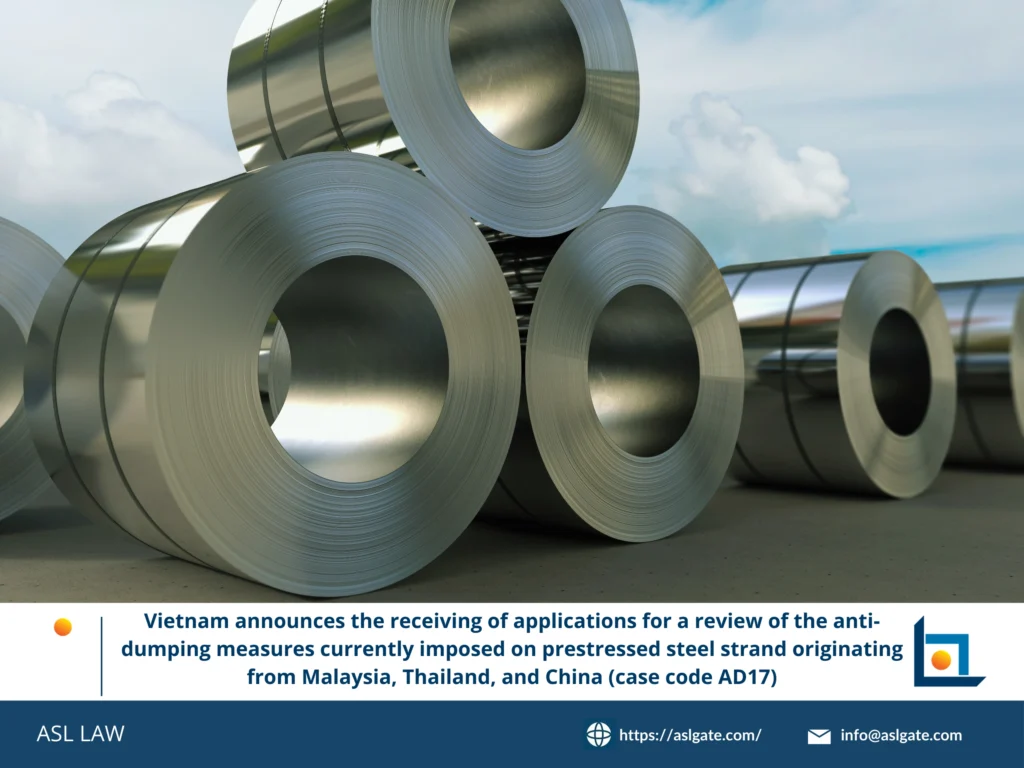
Vietnam has begun receiving submissions requesting a review of the anti-dumping measures currently applied to prestressed steel strand imported from Malaysia, Thailand, and China. These products have been subject to anti-dumping duties under case code AD17, which has drawn attention from importers, domestic manufacturers, and other market participants who may be affected by the measures….
29
Nov
Nov
(Published on Vietnam Economic News, Ministry of Industry and Trade) RCEP opens up a vast trade space but also creates strong competitive pressure, requiring businesses to strengthen legal understanding and trade remedy capacity. The Regional Comprehensive Economic Partnership (RCEP) has opened and continues to open up enormous market-access opportunities for Vietnamese enterprises while imposing higher…

19
Nov
Nov
Franchising is a popular method for expanding business, but it carries distinct legal risks that can affect both franchisors and franchisees. Effective risk management in Vietnam franchisee registration is essential to avoid disputes, protect brand reputation, and ensure long-term success. This article explores key risks, practical lessons from real-world cases, and strategies for Vietnamese businesses…
17
Nov
Nov
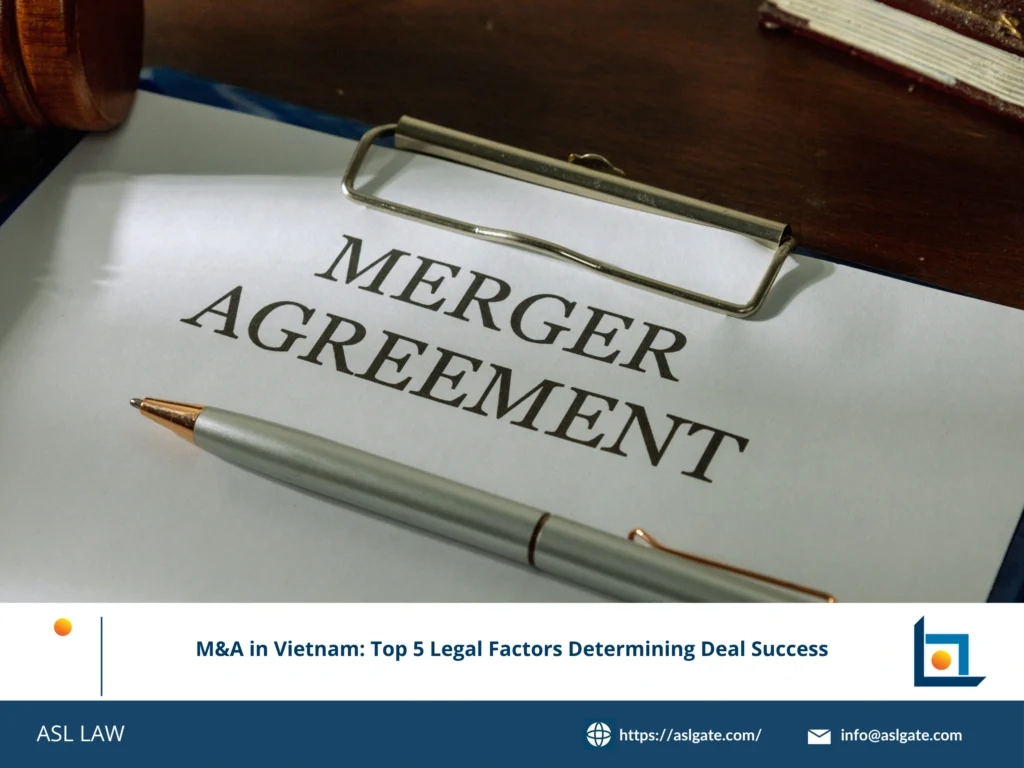
Mergers and acquisitions (M&A) have become an essential growth strategy for businesses operating in Vietnam. However, the success of an M&A deal often hinges on a range of legal factors that can significantly impact the transaction’s outcome. Understanding these legal considerations is crucial for investors, legal professionals, and business leaders aiming to navigate Vietnam’s complex…

15
Nov
Nov
Contracts form the backbone of business transactions in Vietnam, providing clarity, security, and enforceability. However, many businesses encounter challenges due to common mistakes in drafting, interpreting, or enforcing contract clauses. Understanding these pitfalls and learning how to build solid clauses is essential for investors, legal professionals, and business leaders aiming to safeguard their interests and…
20
Nov
Nov
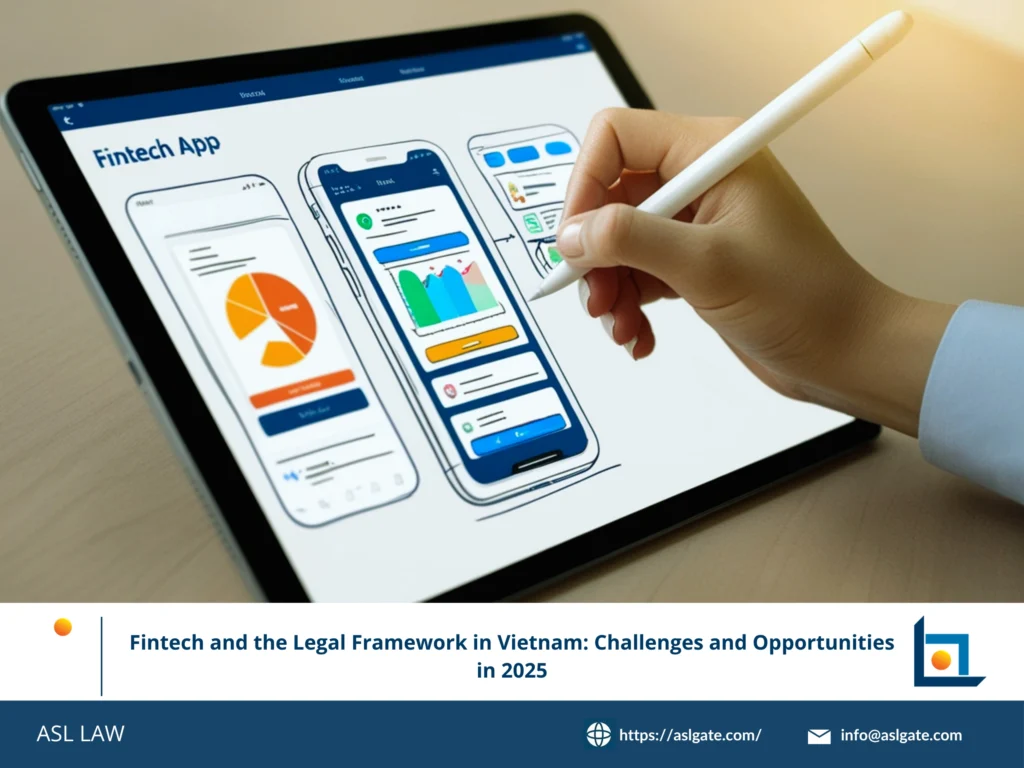
Fintech is rapidly transforming Vietnam’s financial landscape, offering innovative solutions for payments, lending, oversea investment, and digital banking. As the sector expands, understanding the legal framework is crucial for investors, entrepreneurs, and legal professionals. In 2025, Vietnam faces both opportunities and challenges in regulating Fintech while fostering innovation. This article explores the current legal environment,…
20
Nov
Nov
Power Purchase Agreements (PPAs) play a critical role in Vietnam’s energy market, particularly as the country shifts toward renewable energy sources. For businesses entering into PPAs, understanding key contractual clauses is essential to ensure financial stability, operational efficiency, and compliance with Vietnamese regulations. In 2025, the growing complexity of energy projects makes careful attention to…
21
Nov
Nov
Transfer pricing in the digital economy has become a pressing issue for Vietnam’s tax authorities as businesses increasingly adopt digital models and cross-border transactions grow. The rise of e-commerce, cloud computing, and digital services has introduced new complexities in valuing intangible assets, allocating profits, and enforcing compliance. Understanding these challenges is crucial for foreign investors,…
22
Nov
Nov
The year 2025 marks a period of major regulatory adjustments in Vietnam’s labor insurance and employee welfare landscape, affecting both employers and workers across all industries. Businesses need a clear understanding of new obligations, compliance risks, and emerging trends to maintain competitiveness and secure workforce stability. Enterprises doing business in Vietnam should consider contacting a…
23
Nov
Nov
Vietnam in 2025 presents one of the most dynamic investment landscapes in Asia, offering high-growth opportunities across manufacturing, technology, energy, and services. However, this promising environment also demands solid legal preparation to ensure safe, compliant, and sustainable market entry. For foreign investors, entrepreneurs, and legal professionals, understanding regulatory shifts and anticipating compliance requirements is essential…