Tiếng Việt
 中文 (中国)
 日本語
日本語
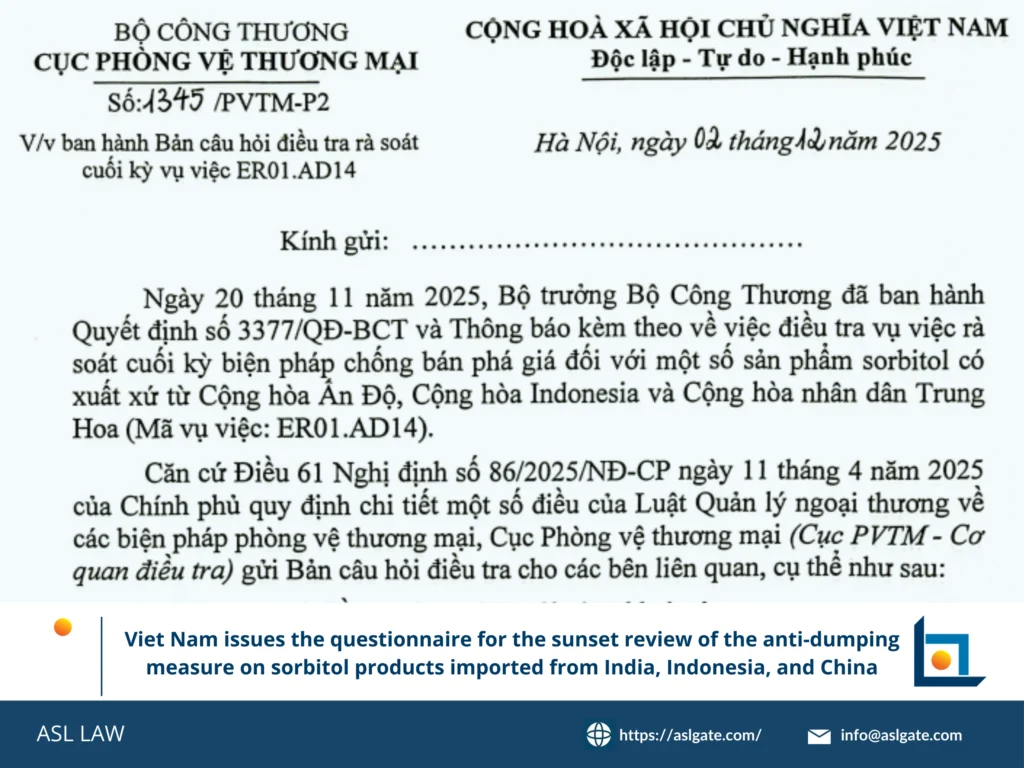
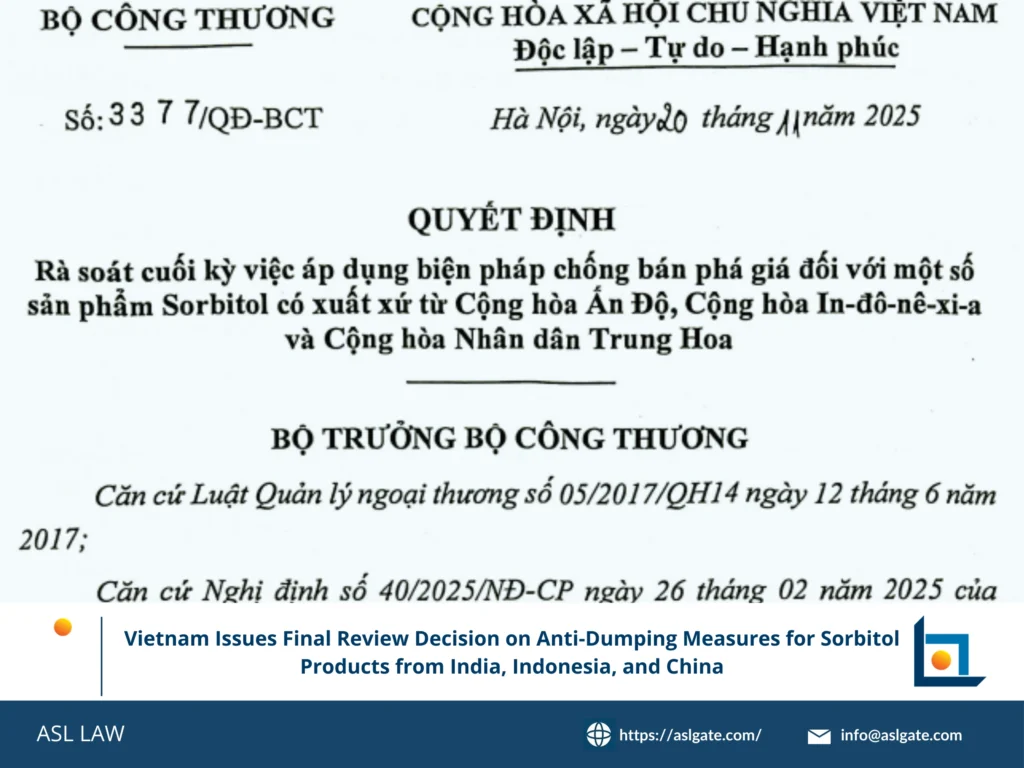
On 20 November 2025, the Ministry of Industry and Trade issued Decision No. 3377/QĐ-BCT together with its accompanying Notice, officially initiating the sunset review of the anti-dumping measure currently applied to certain sorbitol products originating from India, Indonesia, and China. This is a necessary procedural step to assess whether the measure should be continued, amended,…
25
Nov
Nov
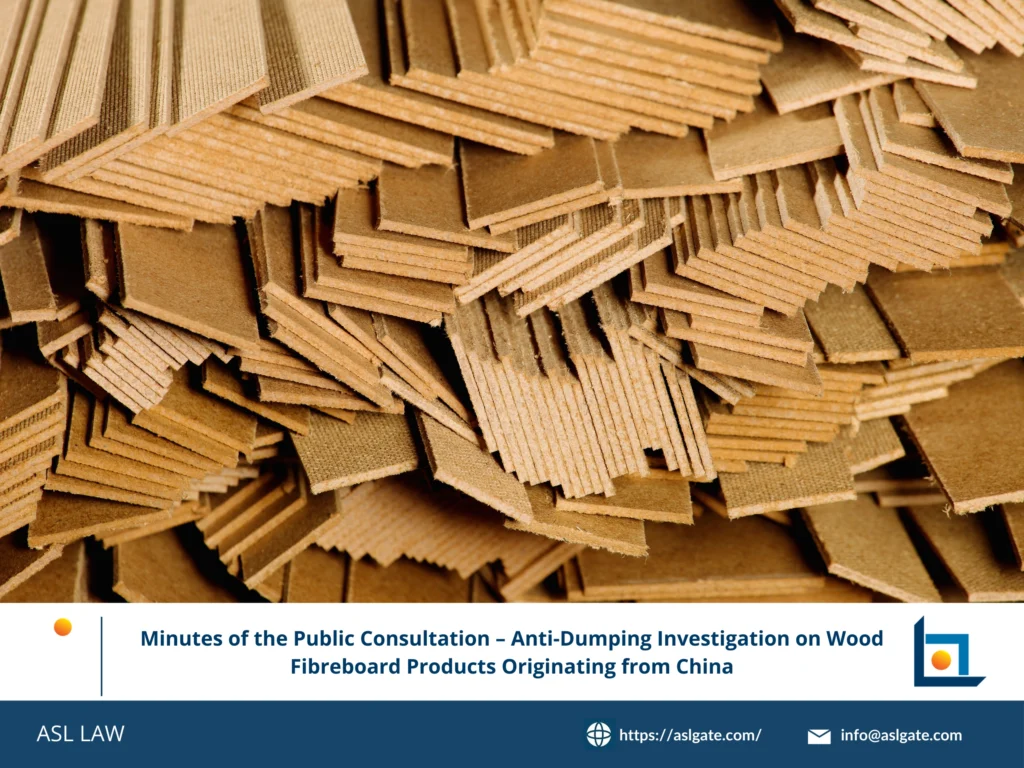
On 7 November 2025, the Trade Remedies Authority of Vietnam held a public consultation session as part of the anti-dumping investigation into wood fibreboard products originating from China. The consultation was conducted pursuant to Article 70 of the Law on Foreign Trade Management (2017) and Article 14 of Decree No. 86/2025/NĐ-CP to provide an opportunity…
27
Nov
Nov
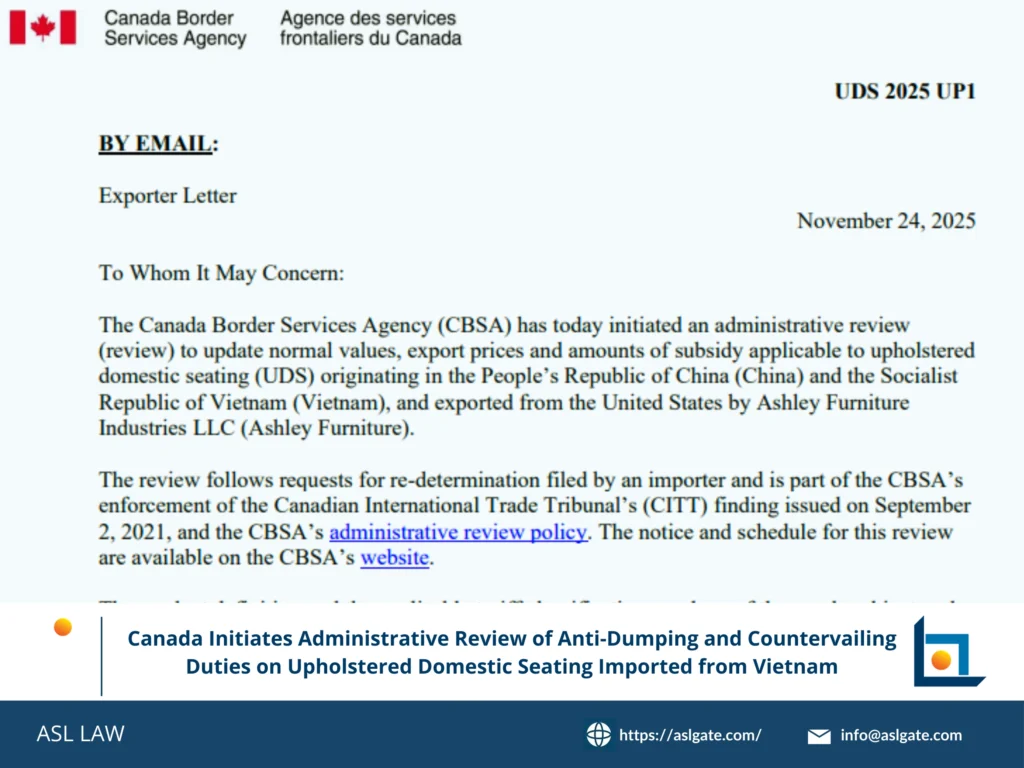
According to information from the Vietnam Trade Office in Canada, on 24 November 2024, the Canada Border Services Agency (CBSA) announced the initiation of an administrative review concerning the anti-dumping (AD) and countervailing (CVD) duties applied to upholstered domestic seating (UDS) originating in or exported from China and Vietnam, as well as goods imported by…
25
Nov
Nov
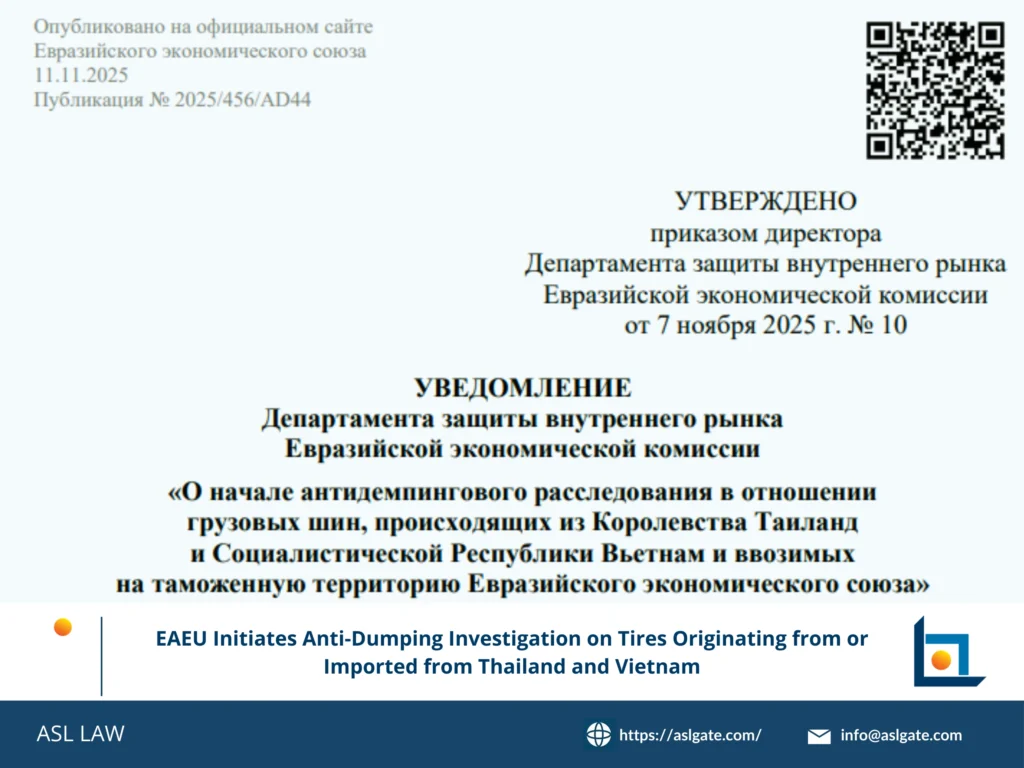
On November 7, 2025, the Domestic Market Protection Department of the Eurasian Economic Commission (the EAEU trade remedy investigating authority) initiated an anti-dumping investigation on tires imported from Thailand and Vietnam into the EAEU market. The products under investigation are truck tires used for various vehicles operating on multiple axles, including freight cars, buses, electric…
28
Nov
Nov
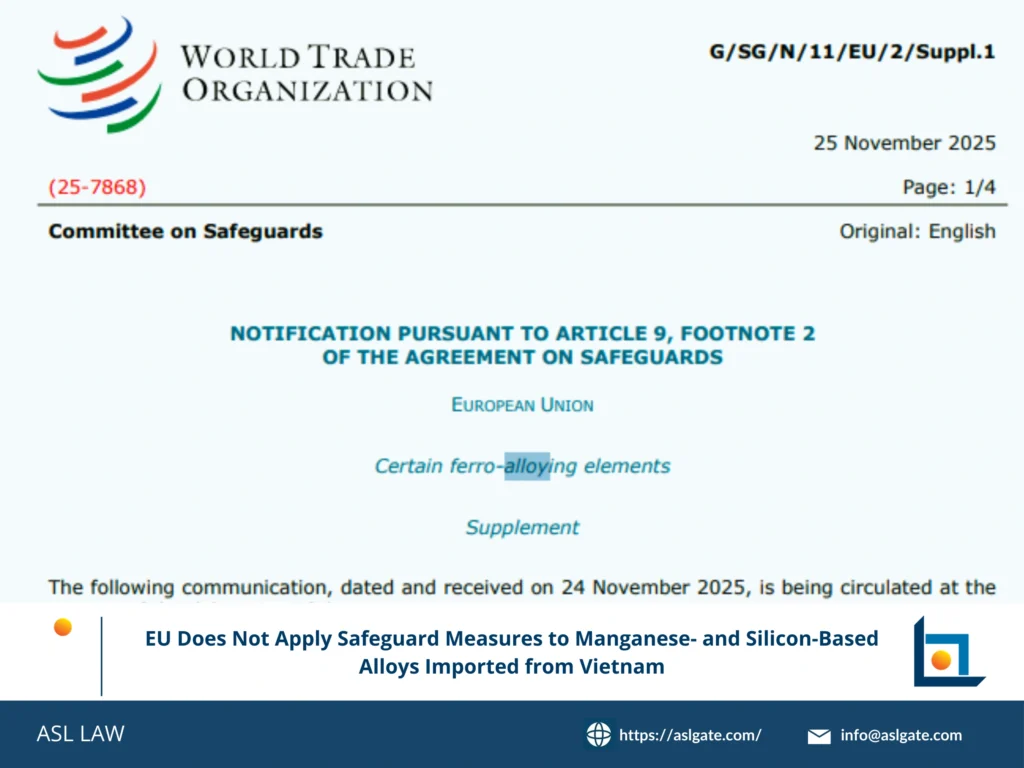
The European Commission (EC) has officially announced that safeguard measures on certain manganese- and silicon-based alloy products will not apply to goods exported from Vietnam. This information was communicated by the Vietnamese Delegation in Geneva to the WTO Secretariat on November 25, 2025. The safeguard measures were initiated by the EC on December 19, 2024,…
27
Nov
Nov
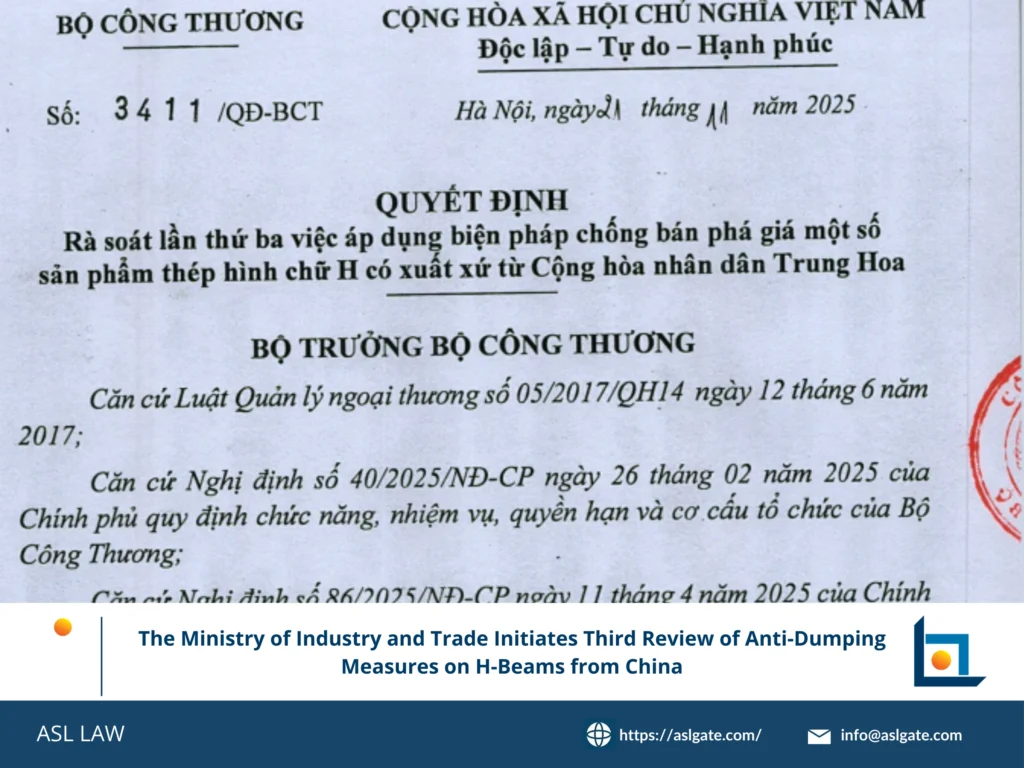
On August 19, 2022, the Ministry of Industry and Trade (MOIT) issued Decision No. 1640/QĐ-BCT on the final review results of the anti-dumping measures applied to certain H-beam steel products originating from the People’s Republic of China. According to this decision, the anti-dumping measures will be extended for an additional five years to ensure stability…
27
Nov
Nov
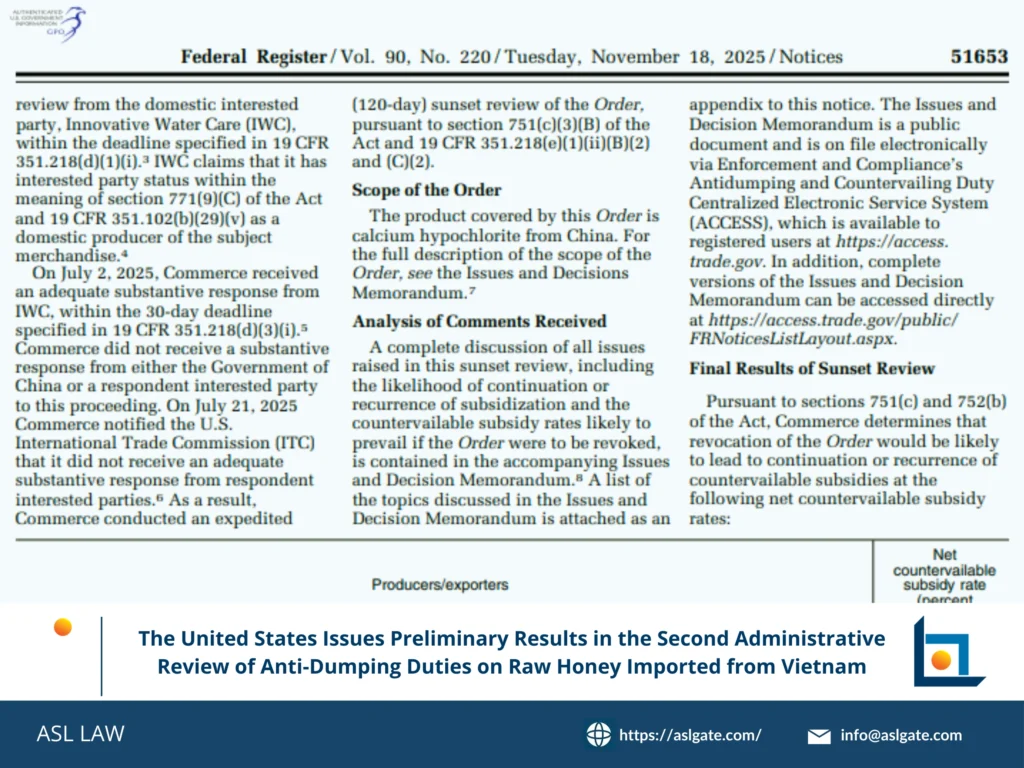
On 18 November 2025, the U.S. Department of Commerce (DOC) released the Preliminary Results of the second administrative review of the anti-dumping duties imposed on raw honey imported from Vietnam. The period of review spans from 1 June 2023 to 31 May 2024. The preliminary findings outline several key issues related to dumping margins, applicable…
27
Nov
Nov
On August 18, 2025, the Trade Remedies Authority (TRA) of Vietnam announced that it had received a request for the final review of anti-dumping measures applied to certain Sorbitol products originating from the Republic of India, the Republic of Indonesia, and the People’s Republic of China. This marks the initial step in the review process…
26
Nov
Nov
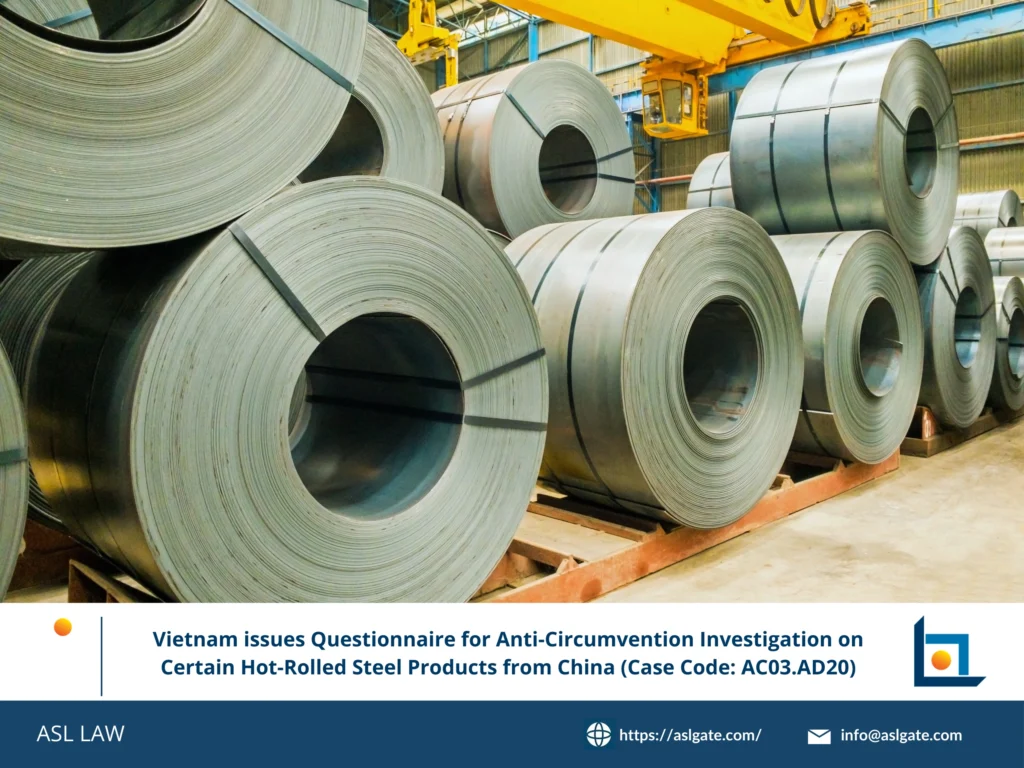
On 27 October 2025, the Minister of Industry and Trade issued Decision No. 3176/QĐ-BCT, accompanied by an official notice, launching an anti-circumvention investigation concerning certain hot-rolled steel products originating from the People’s Republic of China under case code AC03.AD20. As part of the investigation, a detailed questionnaire has been issued to domestic producers and importers…
24
Nov
Nov
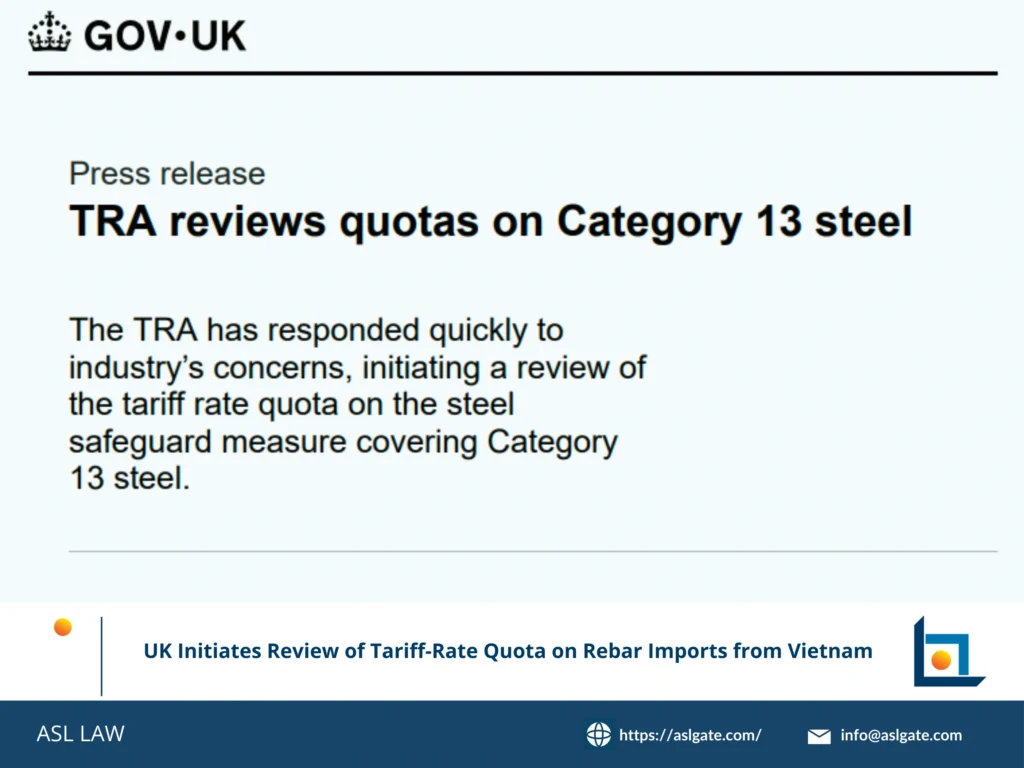
The United Kingdom has announced the initiation of a review concerning the tariff-rate quota (TRQ) applied to imports of rebar originating from Vietnam. The information, provided by the Vietnamese Delegation in Geneva, confirms that the review was launched on 10 November 2025. This action forms part of the UK’s broader safeguard regime on various steel…