Tiếng Việt
 中文 (中国)
 日本語

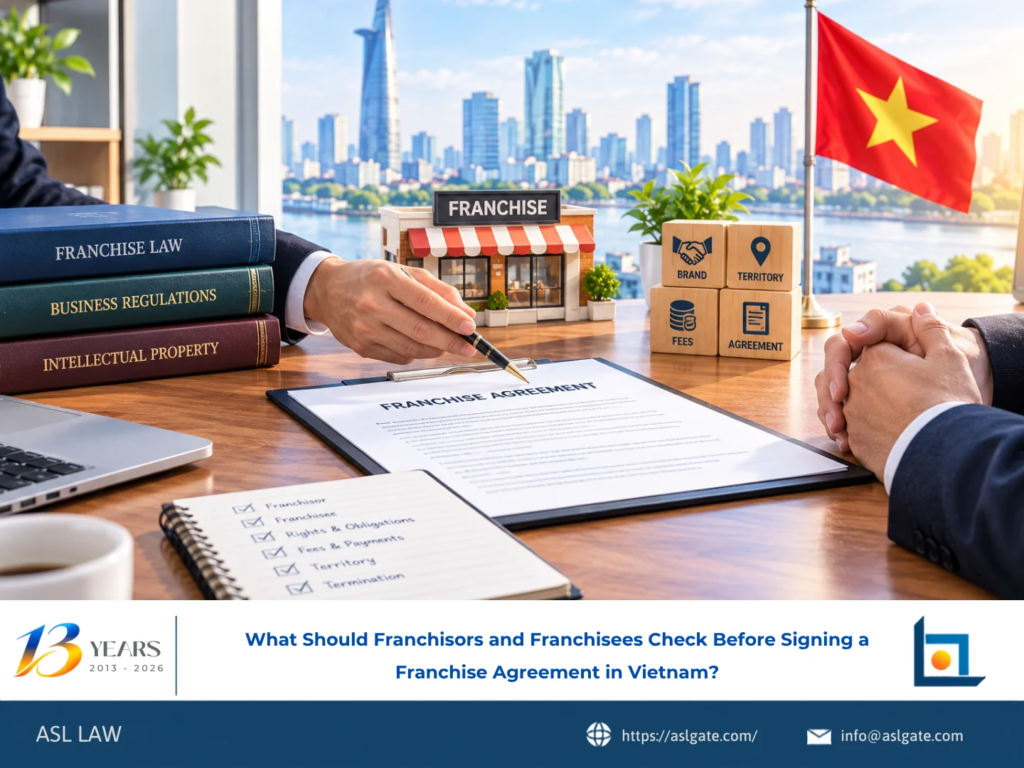
A franchise agreement checklist before signing Vietnam businesses can use should cover the parties’ legal status, intellectual property rights, fees, operational obligations, termination conditions, and compliance with Vietnamese franchise regulations. Franchisors and franchisees may face significant financial and legal risks if they sign without understanding their contractual responsibilities or verifying the commercial arrangement. Careful due…
23
Oct
Oct
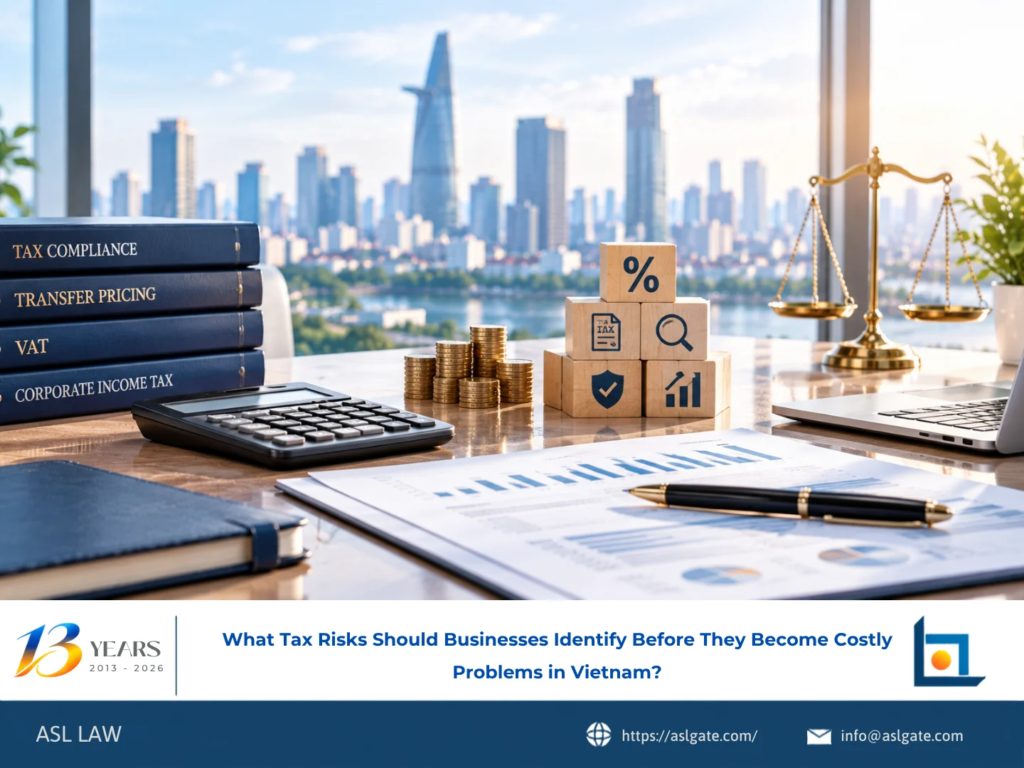
Tax risks to identify before they become costly Vietnam businesses must address include inaccurate tax declarations, improper expense deductions, invoice irregularities, transfer pricing issues, and missed filing deadlines. Even seemingly minor accounting errors can lead to additional tax assessments, late-payment interest, administrative penalties, and disputes with tax authorities. Identifying these risks early allows businesses to…
22
Oct
Oct
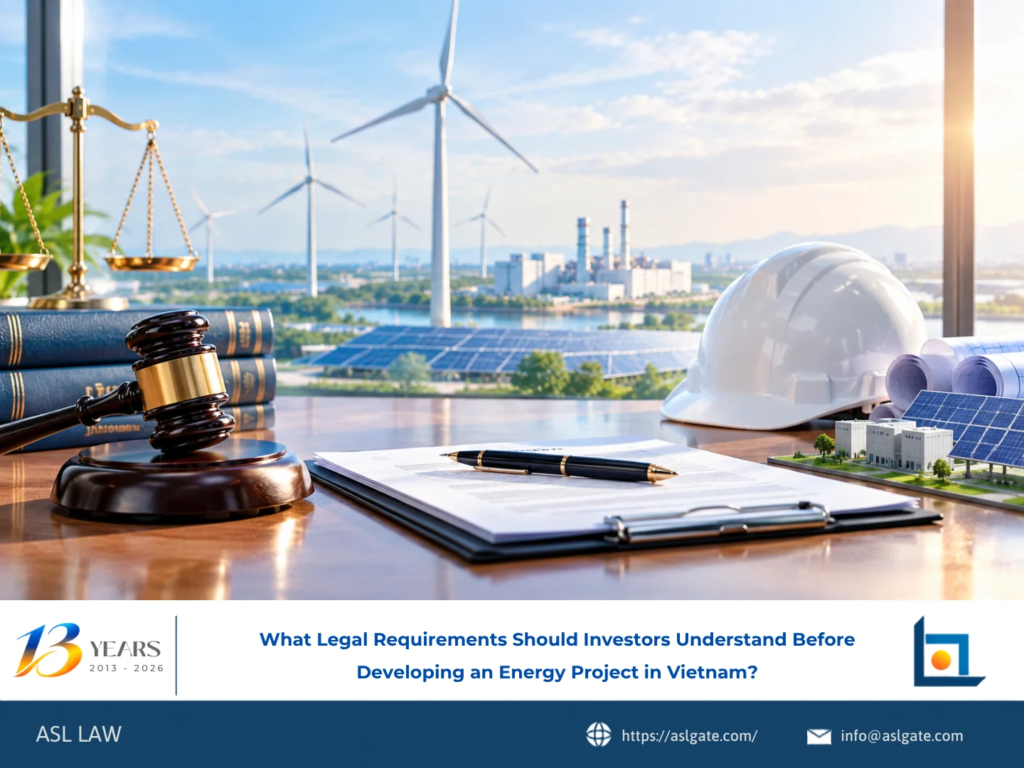
Legal requirements for energy project development Vietnam investors must address include investment approval, project planning, land access, environmental compliance, construction permits, and electricity-related licensing. Energy projects often involve substantial capital commitments and multiple regulatory authorities, making early legal assessment essential. Understanding the applicable framework before acquiring land, signing project agreements, or committing funds helps investors…
21
Oct
Oct
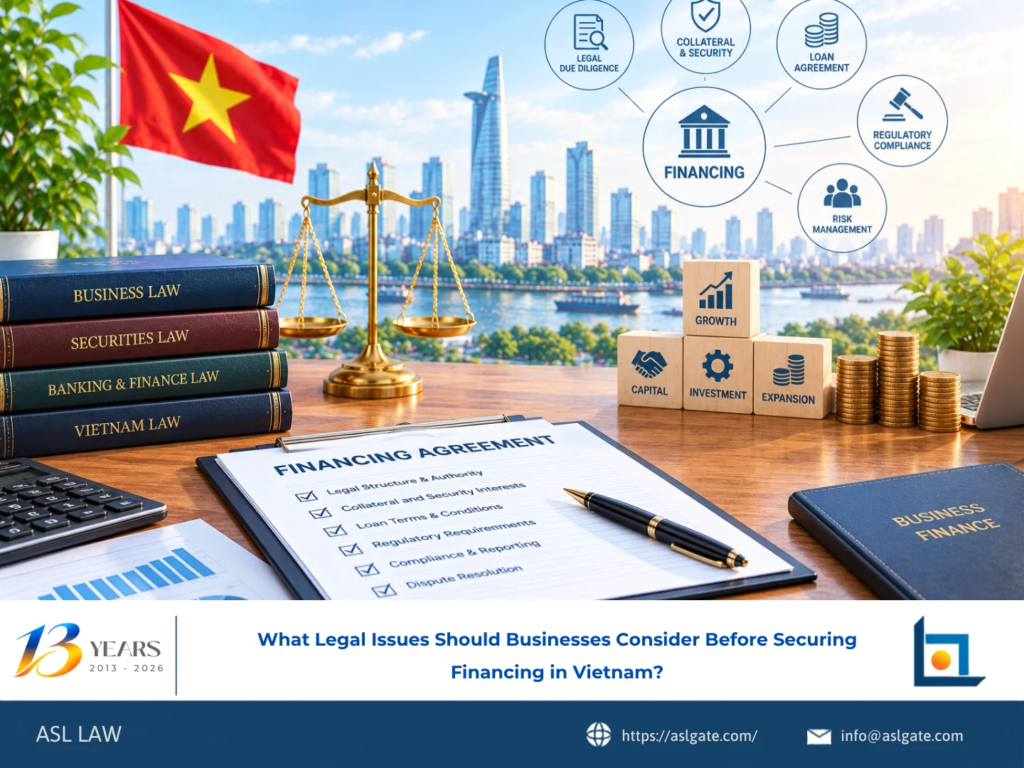
Legal considerations before securing financing Vietnam businesses must address include loan terms, collateral arrangements, corporate approval requirements, interest rates, repayment obligations, and regulatory compliance. Whether a company borrows from a domestic bank, obtains funding from a foreign lender, or raises capital from investors, overlooking these issues can create unexpected liabilities and restrict future business operations….
21
Oct
Oct
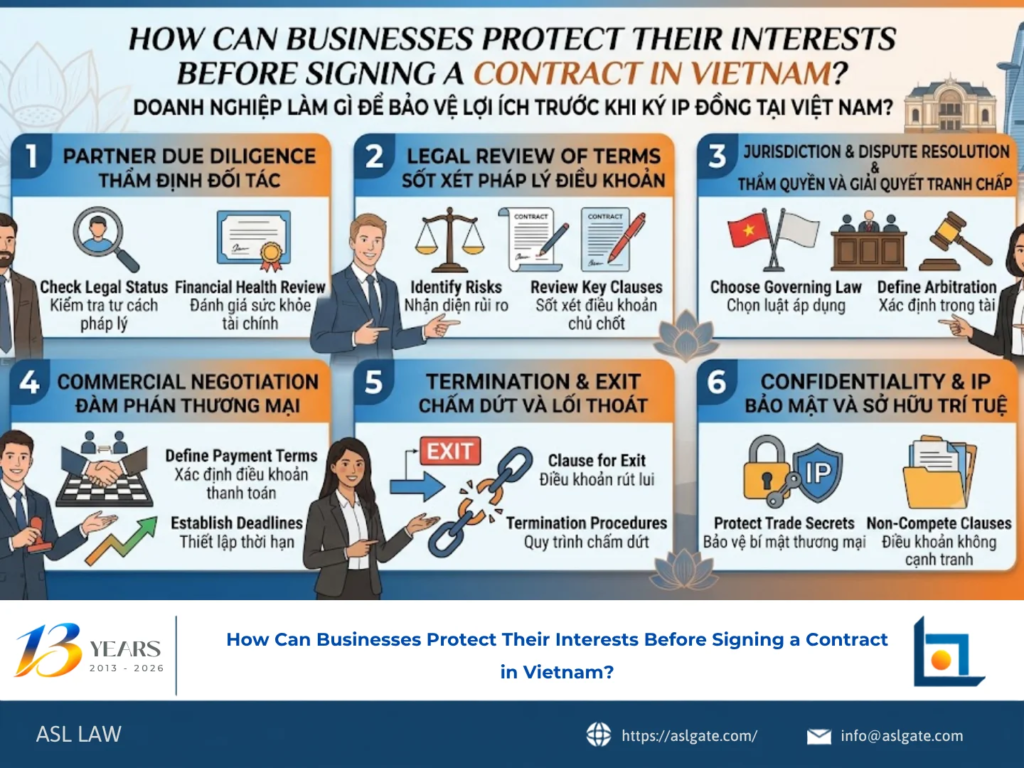
Protecting business interests before contract signing Vietnam requires more than reviewing the final document. Businesses should verify their contractual partners, clarify commercial expectations, assess legal risks, and negotiate enforceable terms before making binding commitments. Careful preparation can reduce payment disputes, unexpected liabilities, and operational interruptions while ensuring that contractual obligations reflect the parties’ actual intentions…

27
Oct
Oct
Critical legal issues in Vietnam business acquisitions can determine whether a transaction creates long-term value or exposes the buyer to unexpected liabilities, regulatory delays, and costly disputes. From corporate due diligence and ownership verification to merger control, tax exposure, and contractual protections, each legal factor can influence the transaction’s feasibility and final price. Buyers and…
26
Oct
Oct
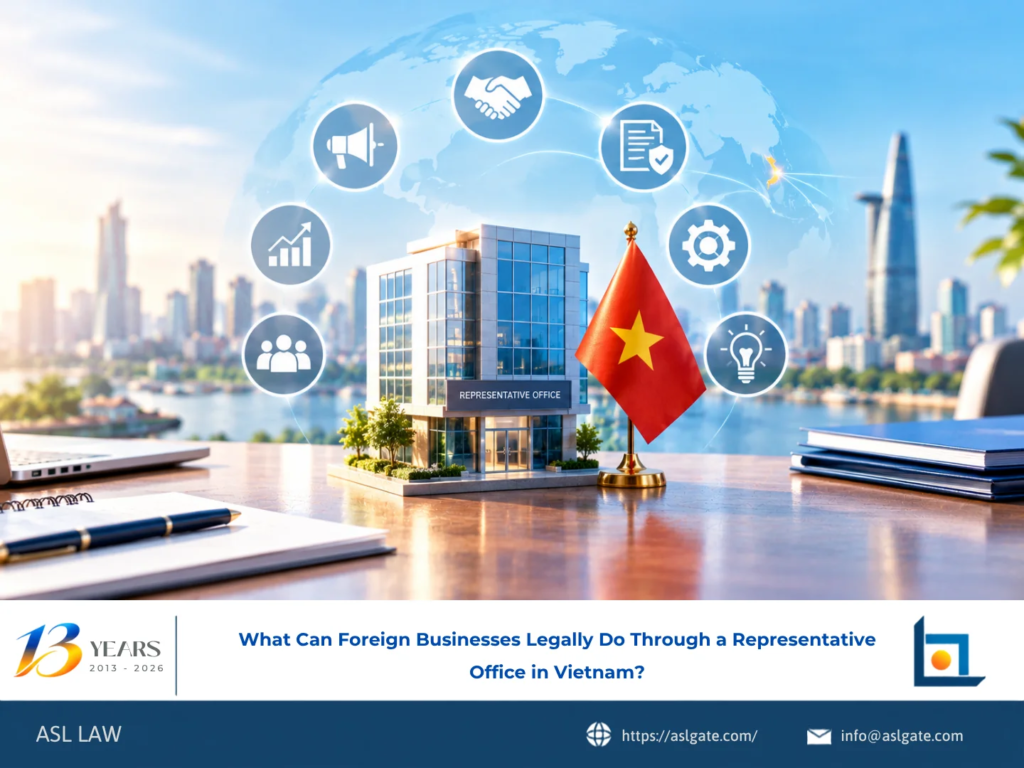
Understanding the legal activities of representative office Vietnam regulations permit is essential for foreign businesses seeking a local presence without establishing a separate operating company. A representative office can support market research, communication, and business development, but its activities are restricted under Vietnamese law. Foreign businesses that exceed these limits may face regulatory consequences, making…
19
Oct
Oct
Choosing the right legal structure for foreign investment in Vietnam affects ownership rights, management flexibility, liability, licensing obligations, and long-term expansion plans. Foreign investors may establish a wholly foreign-owned company, form a joint venture, or consider other legally available arrangements depending on their business objectives and the applicable market-access conditions. Understanding the advantages and limitations…
18
Oct
Oct
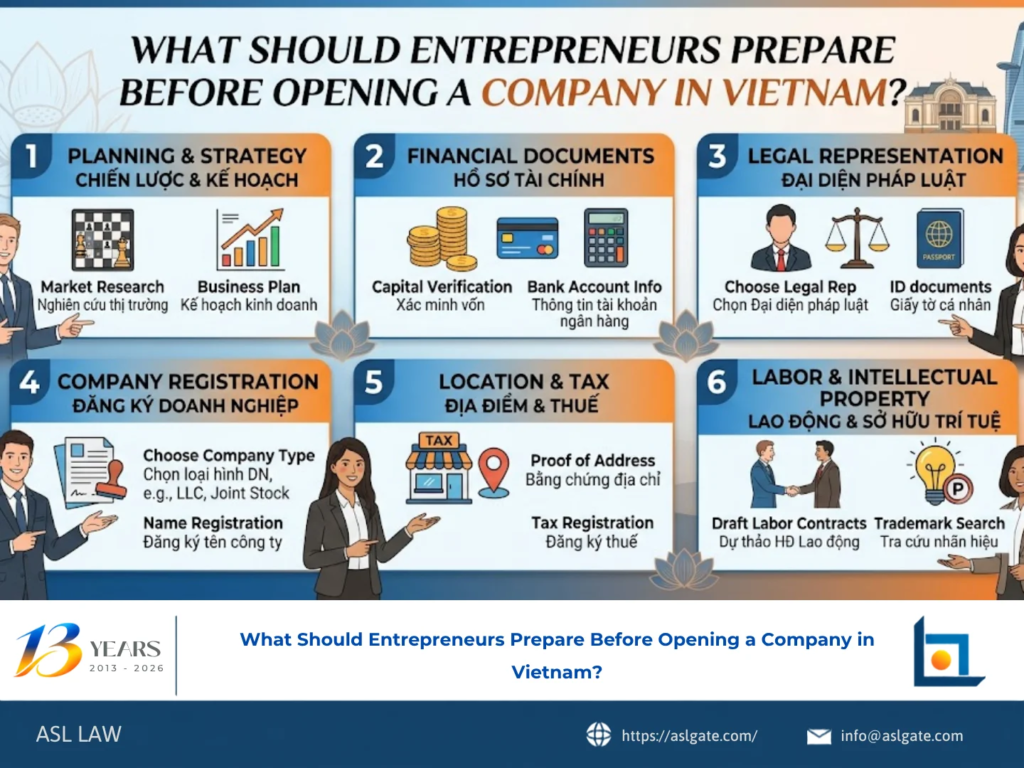
Understanding what to prepare before opening a company Vietnam is essential for entrepreneurs seeking to enter the market efficiently and avoid preventable legal or financial problems. Beyond registering a business name, founders must assess market-entry conditions, select an appropriate corporate structure, prepare investment capital, organize documentation, and identify ongoing compliance obligations. Careful preparation helps entrepreneurs…
18
Oct
Oct
Legal traps for foreign businesses in Vietnam can arise at every stage of market entry, from choosing an investment structure and obtaining licenses to signing commercial contracts, managing employees, and complying with tax obligations. Foreign investors who overlook local legal requirements may face financial losses, administrative penalties, contractual disputes, or restrictions on business operations. Identifying…