Tiếng Việt
 中文 (中国)
 日本語
日本語

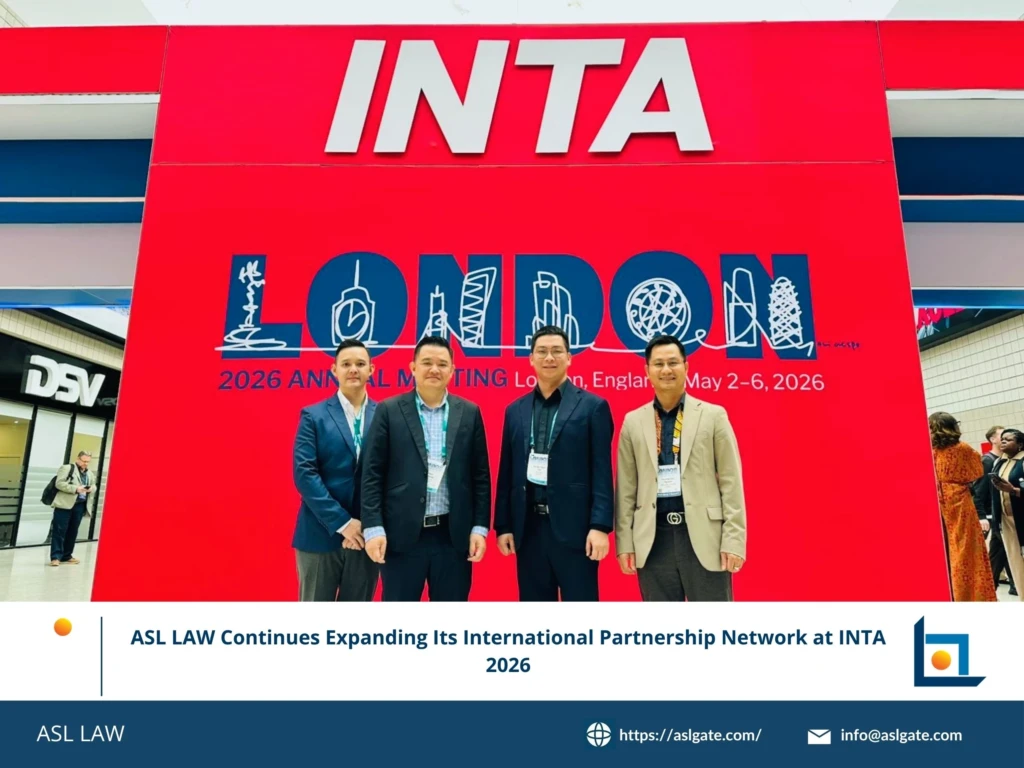
From May 2 to May 6, 2026, the Annual Meeting of the International Trademark Association (INTA) officially took place in London, United Kingdom, gathering thousands of intellectual property professionals, lawyers, business representatives, and regulatory authorities from more than 140 countries and territories worldwide. The event once again reaffirmed its position as one of the largest…
30
May
May
From May 2 to May 6, 2026, the International Trademark Association’s Annual Meeting – INTA Annual Meeting 2026 officially took place in London, United Kingdom, gathering more than 10,000 experts, lawyers, businesses, regulatory authorities, and organizations operating in the field of intellectual property from over 140 countries and territories worldwide. The event once again reaffirmed…

31
May
May
The INTA Annual Meeting 2026 continued to be one of the world’s largest and most influential intellectual property forums, gathering thousands of lawyers, intellectual property professionals, businesses, and international organizations from more than 140 countries and territories. Held in London, United Kingdom from May 2 to May 6, 2026, the event served not only as…
25
May
May
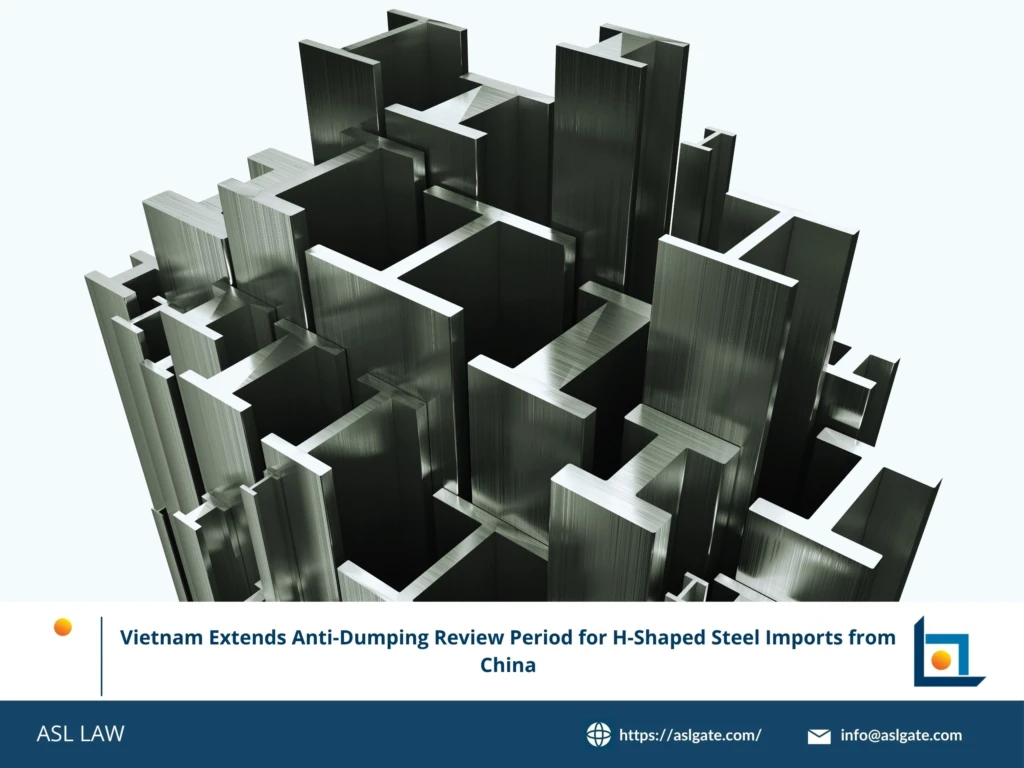
On May 21, 2026, the Ministry of Industry and Trade (MOIT) issued a decision to extend the review period in the third review of the anti-dumping measures applied to certain H-shaped steel products originating from China (case code AR03.AD03). According to the decision, the deadline for completing the investigation has been extended by an additional…
22
May
May
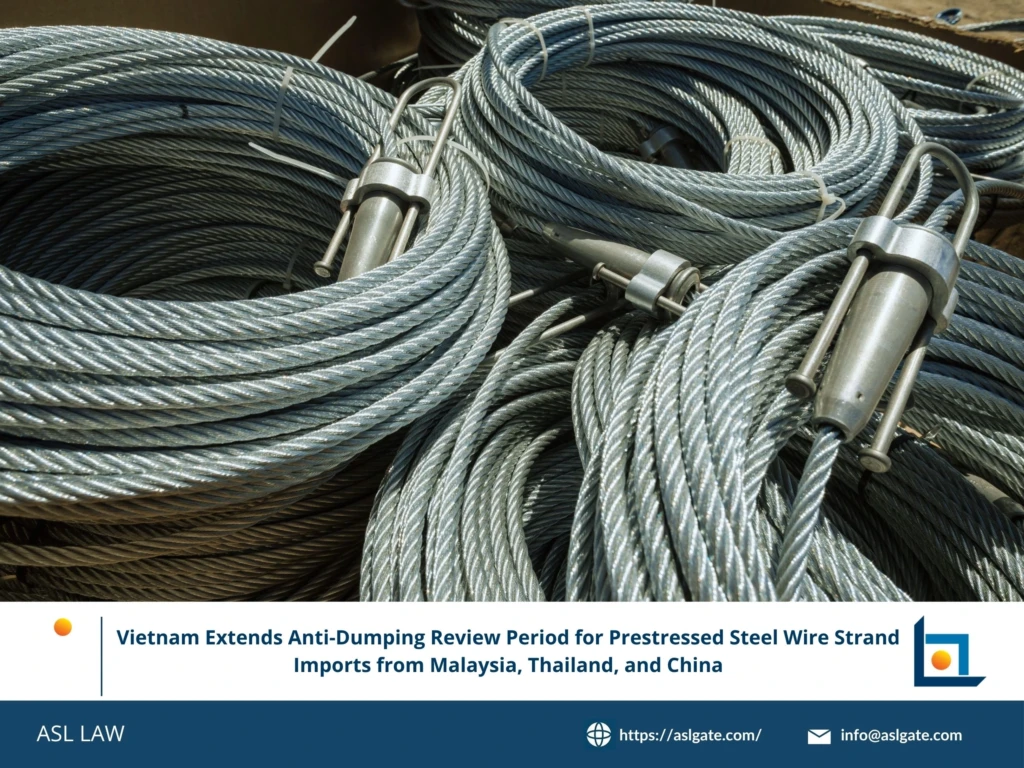
On May 22, 2026, the Trade Remedies Authority of Vietnam (TRAV) under the Ministry of Industry and Trade issued a decision to extend the review period in the first review of the anti-dumping measures applied to prestressed steel wire strand products imported from Malaysia, Thailand, and China (case code AR01.AD17). According to the decision, the…
22
May
May
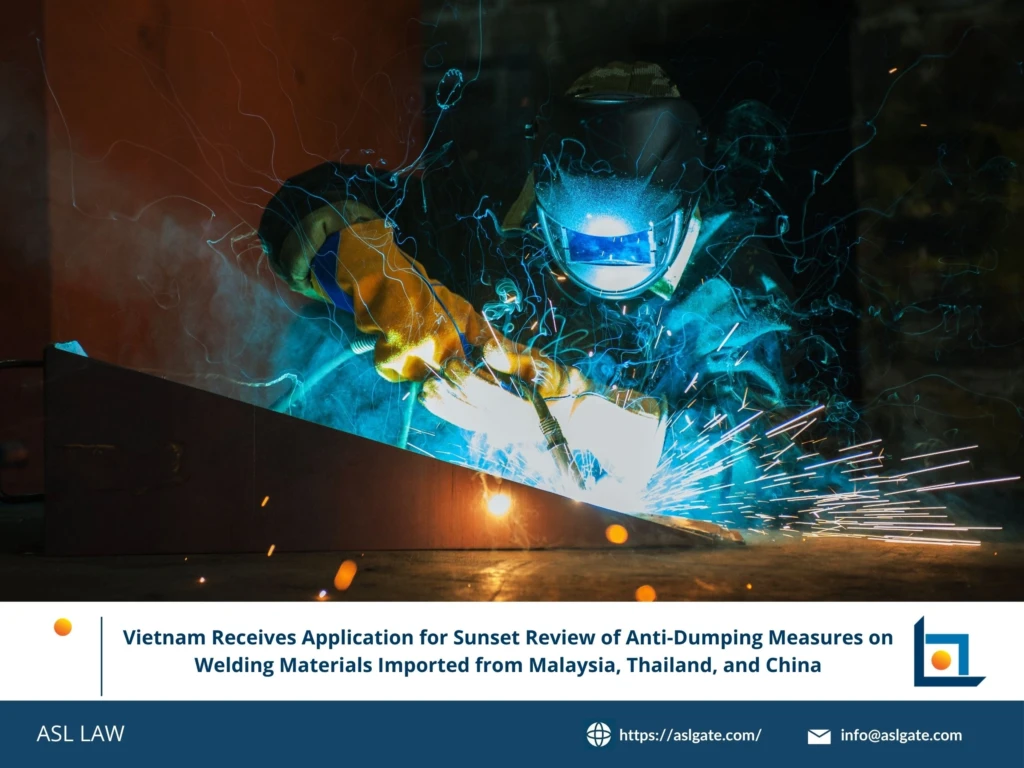
On February 27, 2026, the Ministry of Industry and Trade (MOIT) received an application requesting a sunset review of the anti-dumping measures imposed on certain welding materials imported from Malaysia, Thailand, and China. The application was submitted by a group of enterprises representing the domestic industry engaged in the production of welding electrodes and industrial…
20
May
May
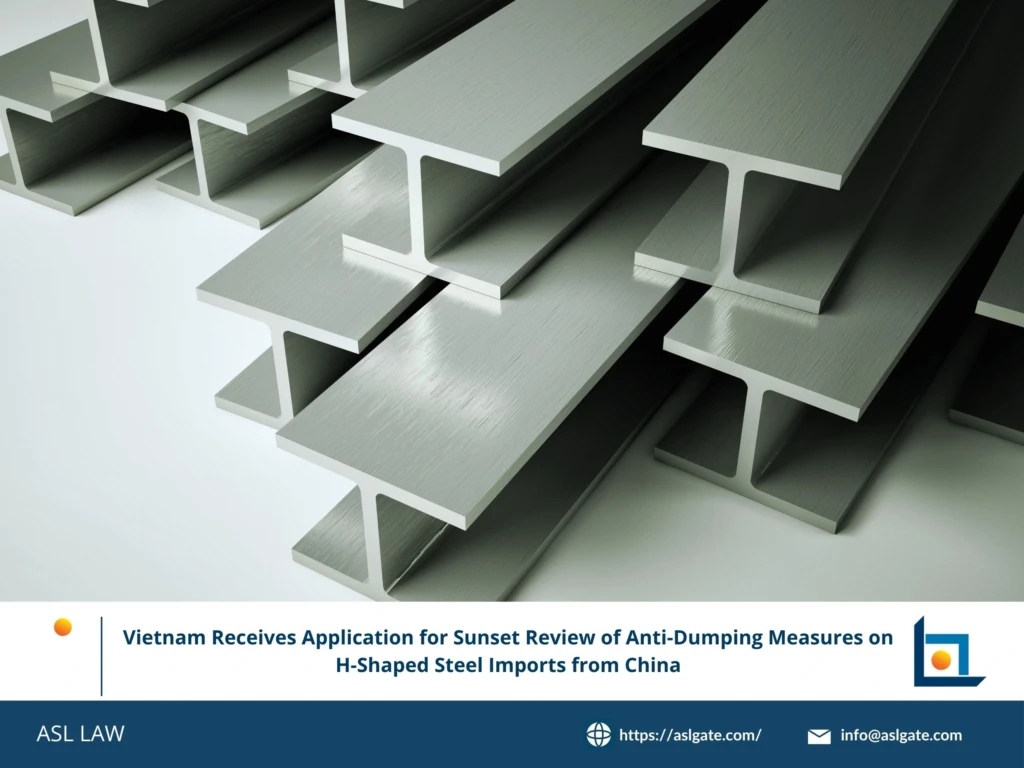
On February 26, 2026, the Ministry of Industry and Trade (MOIT) received an application requesting a sunset review of the anti-dumping measures imposed on certain H-shaped steel products originating from China. The application was submitted by representatives of the domestic industry associated with structural steel manufacturers in Vietnam. As of May 21, 2026, the application…
22
May
May
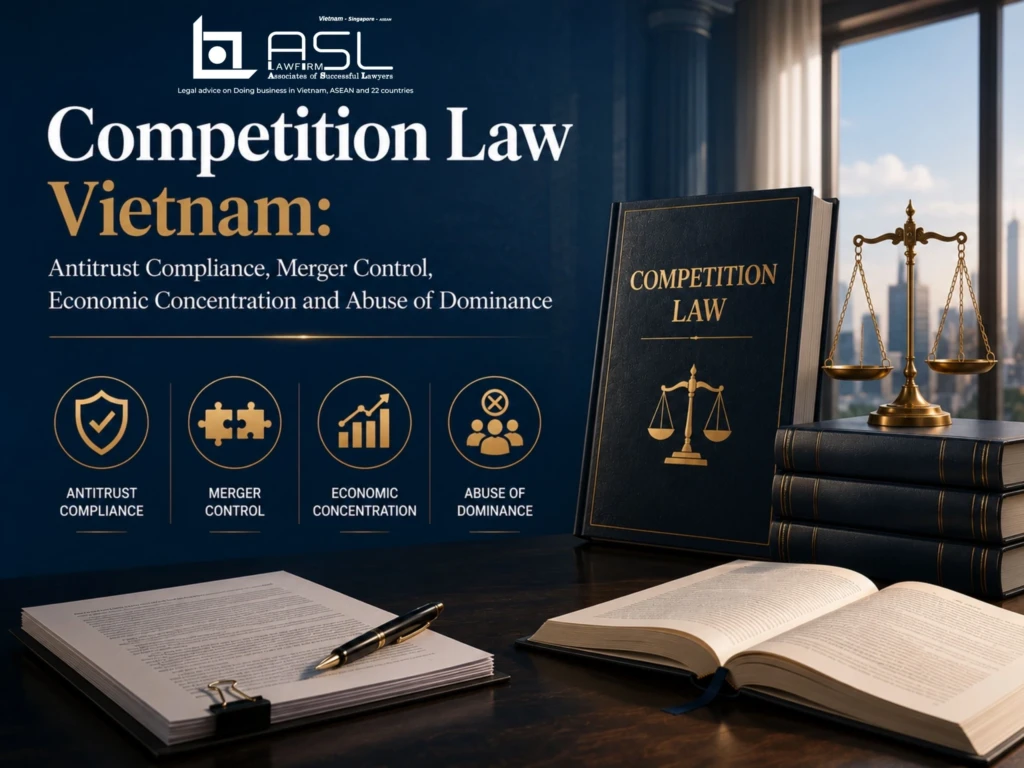
Vietnam’s competition law regime has entered a more active and sophisticated stage. As Vietnam continues to attract foreign investment, expand digital commerce following the digital platform competition law Vietnam, strengthen domestic enterprises, and integrate into regional and global supply chains, businesses must pay closer attention to competition law Vietnam, antitrust compliance Vietnam, Vietnam M&A merger…

20
May
May
ASL LAW’s Vietnam Competition lawyers advise domestic and international clients on antitrust compliance, merger control, economic concentration filings, abuse of dominance, unfair competition, advertising and marketing practices, consumer protection, e-commerce, digital platforms, data protection, and regulatory investigations in Vietnam. For businesses looking for an Antitrust and competition law firm in Vietnam, ASL LAW provides practical,…
20
May
May
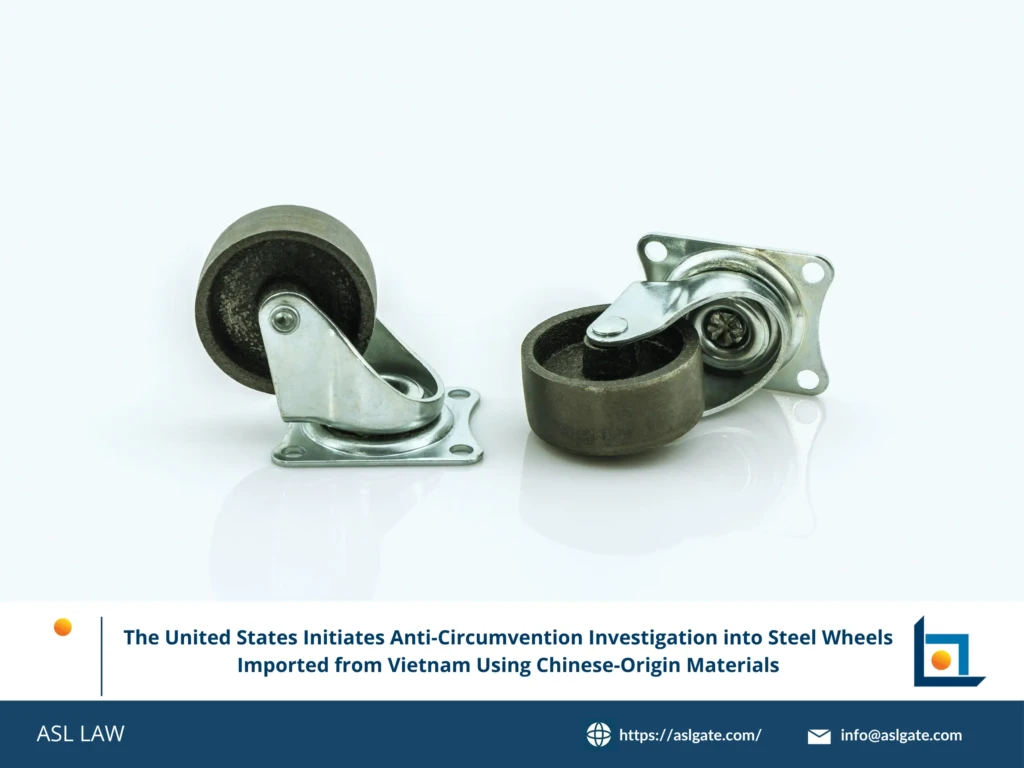
The U.S. Department of Commerce (DOC) has recently announced the initiation of anti-circumvention investigations concerning antidumping and countervailing duties on 22.5–24.5 inch steel wheels imported from Vietnam that use hot-rolled steel (HRS) originating from China. The investigations were initiated based on petitions filed by Accuride Corporation and Maxion Wheels USA LLC. According to the petitioners,…