Tiếng Việt
 中文 (中国)
 日本語
日本語

Vietnam continues to attract multinational corporations and foreign businesses seeking to explore one of Asia’s fastest-growing markets in 2026. For companies that wish to conduct market research, establish local relationships, or support future offshore investment without immediately engaging in commercial activities, a representative office (RO) remains an effective market entry option. Understanding the legal framework,…
25
Aug
Aug
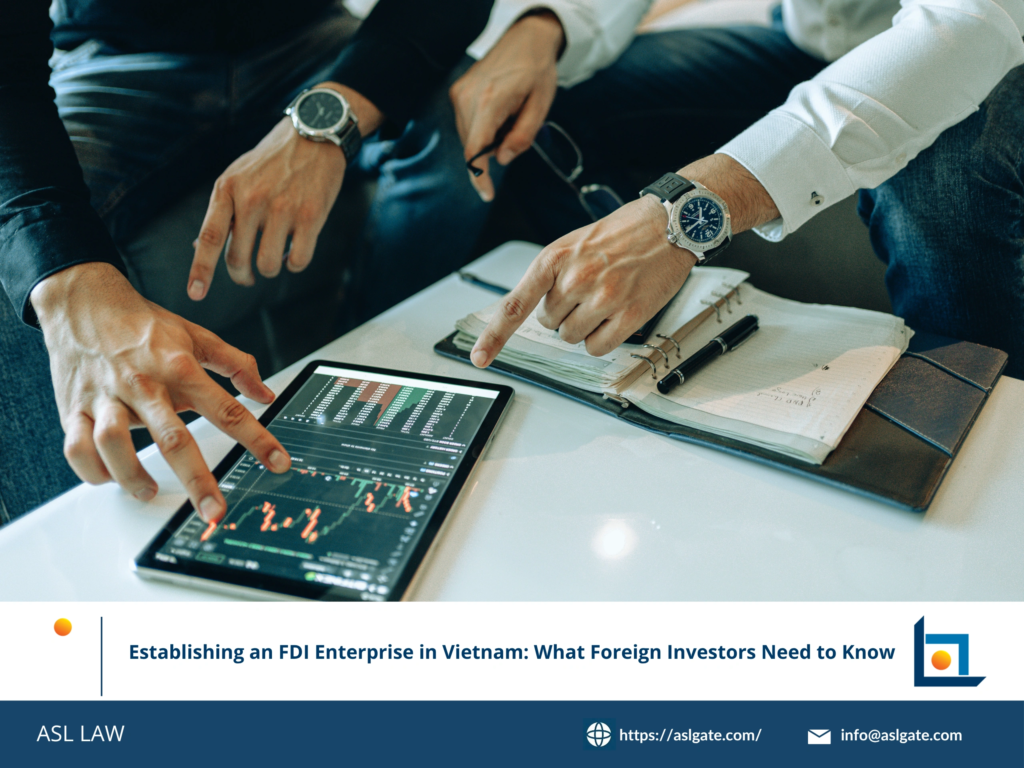
Vietnam continues to be one of the leading offshore investment destinations in Asia in 2026, attracting foreign investors with its stable economic growth, strategic geographic location, competitive workforce, and extensive network of free trade agreements. However, establishing a foreign-invested enterprise (FDI) requires careful preparation and a thorough understanding of Vietnam’s investment regulations. Foreign investors who…

26
Aug
Aug
As Vietnamese enterprises continue expanding their global footprint in 2026, outbound investment has become an increasingly important strategy for accessing new markets, acquiring advanced technologies, securing supply chains, and enhancing international competitiveness. While overseas expansion offers significant commercial opportunities, it also requires careful planning, compliance with Vietnamese regulations, and a thorough understanding of the legal…

27
Aug
Aug
Vietnam remains one of Southeast Asia’s most attractive destinations for business expansion in 2026, offering strong economic growth, an increasingly favorable investment environment, and extensive participation in global trade agreements. However, a fast company setup requires more than submitting registration documents. Businesses should carefully plan their offshore investment structure, licensing strategy, and compliance procedures to…
28
Aug
Aug
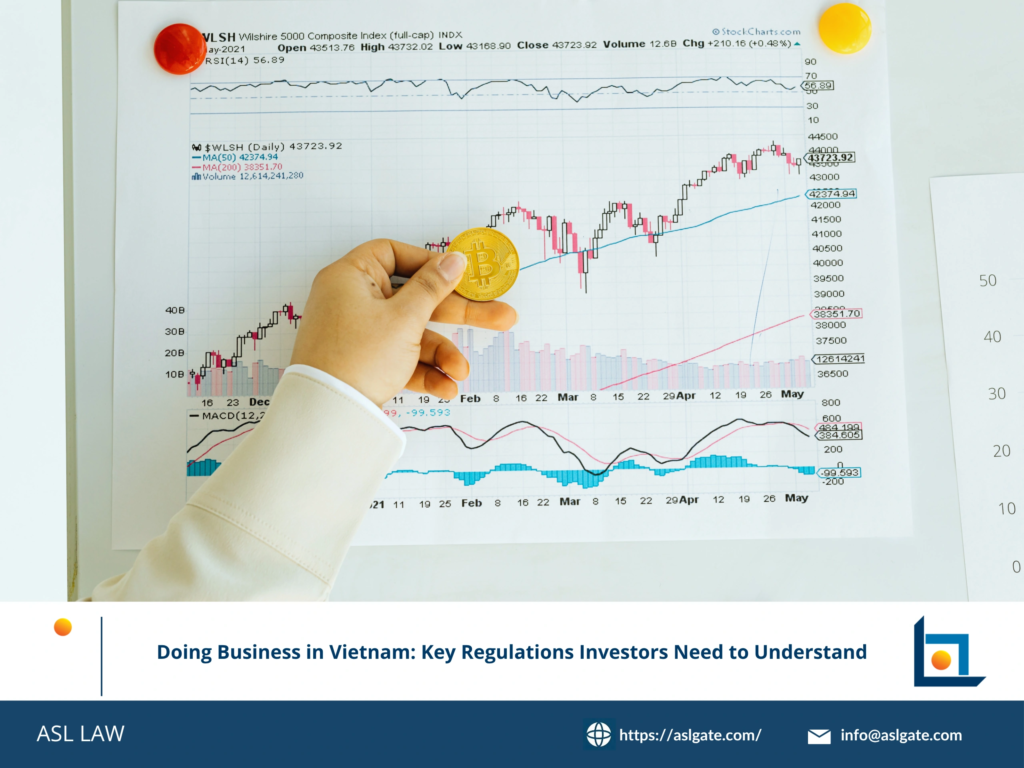
Vietnam continues to strengthen its position as one of Asia’s most attractive investment destinations in 2026, driven by stable economic growth, an expanding consumer market, competitive manufacturing capabilities, and extensive international trade integration. However, successful market entry requires more than identifying commercial opportunities. Foreign investors must understand Vietnam’s evolving legal framework, regulatory compliance obligations, and…

15
Jul
Jul
From 1 July 2026, Resolution No. 66.18/2026/NQ-CP increased several financial thresholds for merger notification while keeping the 20% combined market share threshold unchanged. Although these amendments mainly affect merger notification, they also reflect the continuing development of competition law Vietnam. For digital businesses, antitrust compliance Vietnam is no longer limited to transaction size or market…

17
Jul
Jul
From 1 July 2026, Vietnam increased several financial thresholds for merger notification under Resolution No. 66.18/2026/NQ-CP, while keeping the 20% combined market share threshold unchanged. Under joint venture Vietnam competition law, a joint venture does not automatically require notification, but it should always be assessed before signing. Where a joint venture qualifies as an economic…

19
Jul
Jul
From 1 July 2026, Vietnam increased several financial thresholds for merger notification under Resolution No. 66.18/2026/NQ-CP. However, the 20% combined market share threshold remains unchanged. For foreign investor merger control Vietnam, the practical question is not only whether a transaction exceeds the new financial thresholds, but also whether the acquisition, joint venture or restructuring falls…

21
Jul
Jul
From 1 July 2026, the rules on merger notification Vietnam 2026 changed under Resolution No. 66.18/2026/NQ-CP. The short answer is no, not every transaction requires notification, but every serious M&A transaction or joint venture should be assessed for economic concentration notification Vietnam before signing. Although several financial thresholds have been increased, the Vietnam 20% market…

23
Jul
Jul
From 1 July 2026, the Vietnam merger control thresholds 2026 introduced under Resolution No. 66.18/2026/NQ-CP have significantly revised the Vietnam merger filing thresholds. Most financial thresholds for economic concentration Vietnam have been increased, while the 20% combined market share threshold remains unchanged. For investors, the practical issue is no longer simply whether a transaction exceeds…