Tiếng Việt
 中文 (中国)
 日本語
日本語
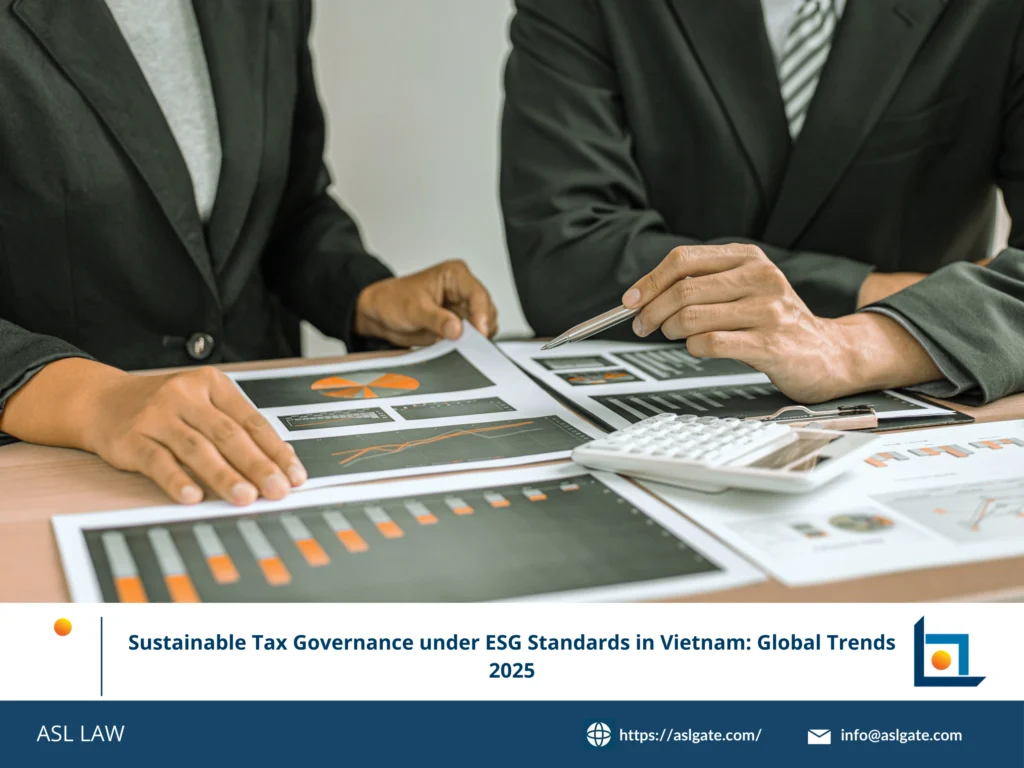
Sustainable tax governance is emerging as a core component of ESG compliance, particularly as tax transparency and responsible tax practices become integral to corporate accountability. In Vietnam, evolving tax regulations and increasing alignment with global ESG standards are reshaping how enterprises structure tax strategies and manage compliance risks. This article examines ESG tax governance Vietnam…
26
Dec
Dec
The rapid expansion of the digital economy is fundamentally reshaping how value is created, delivered, and taxed across borders. In Vietnam, transfer pricing in the digital economy has emerged as a complex regulatory challenge, requiring tax authorities to adapt traditional rules to digital business models while ensuring compliance, transparency, and fairness in cross-border transactions. Understanding…
10
Nov
Nov
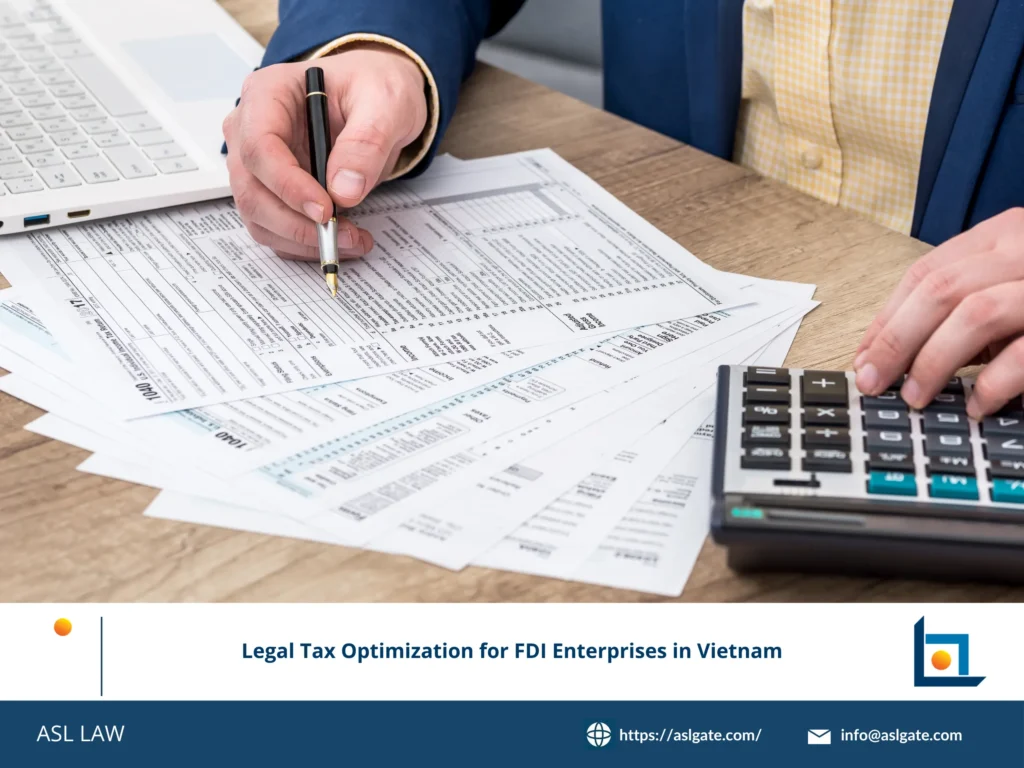
As Vietnam continues to position itself as one of Asia’s most attractive offshore investment destinations, foreign direct investment (FDI) enterprises are increasingly seeking effective tax optimization strategies. Understanding Vietnam’s evolving tax regulations, available incentives, and legal compliance requirements is crucial for maintaining both profitability and transparency. This article provides a comprehensive overview of legal tax…
24
Oct
Oct
Managing corporate income tax (CIT) obligations is a critical responsibility for businesses operating in Vietnam. While the system provides clear rules for prepayment and finalization, many companies still face challenges that lead to penalties, unnecessary costs, or legal disputes. This article outlines the most common legal mistakes businesses make regarding CIT and provides guidance for…
08
Jul
Jul
Offshore investment enterprises play a vital role in Vietnam’s economy, but tax compliance remains a challenging area. Vietnam’s tax system is governed by detailed regulations and frequent updates, making it easy for foreign-invested companies doing business in Vietnam to make mistakes that can lead to fines, back taxes, or even suspension of operations. For FDI…
19
Aug
Aug
Starting July 1, 2025, Vietnam will implement significant new regulations on e-taxation and digital commerce, marking a key milestone in the development of a legal framework for the digital economy. While these changes offer major opportunities, they also introduce substantial compliance shifts for both domestic and international enterprises doing business in Vietnam. 1. Key New…
30
Jun
Jun
Foreign enterprises doing business in Vietnam often encounter various challenges related to tax law. Failure to fully comply with tax regulations can result not only in financial losses but also in severe penalties imposed by tax authorities. Below are five common tax issues that frequently lead to penalties for foreign businesses in Vietnam. 1. Failure…

08
Jul
Jul
As the global economy becomes increasingly integrated, tax policy—traditionally a pillar of national sovereignty—is now heavily influenced by international initiatives and regional dynamics. Recent changes in the international tax framework demand not only technical adjustments but also exert pressure on the adaptability of cross-border enterprises. Businesses operating in areas affected by changes in tax policies…

07
Jul
Jul
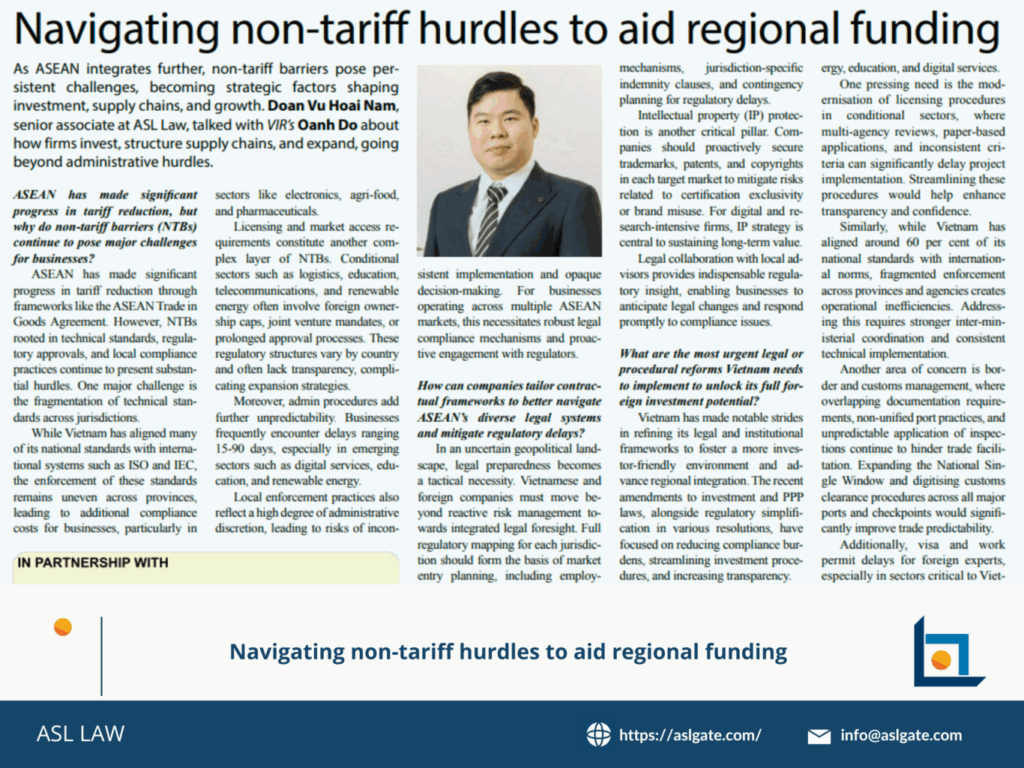
At the Vietnam Investment Review Building, LLM. Doan Vu Hoai Nam, ASL LAW’s Senior Associate has had had the opportunity to speak on the topic: “Eliminating Non-Tariff Barriers for Shared ASEAN Prosperity.” Lawyer Doan presented ASL LAW’s legal perspectives on how regulatory barriers – though less visible than tariffs – continue to impact the flow…
08
Jul
Jul
(ASL LAW’s Article Published on VIR) As ASEAN integrates further, non-tariff barriers pose persistent challenges, becoming strategic factors shaping investment, supply chains, and growth. Doan Vu Hoai Nam, senior associate at ASL Law, talked with VIR’s reporter about how firms invest, structure supply chains, and expand, going beyond administrative hurdles ASEAN has made significant progress…