Tiếng Việt
 中文 (中国)
 日本語
日本語
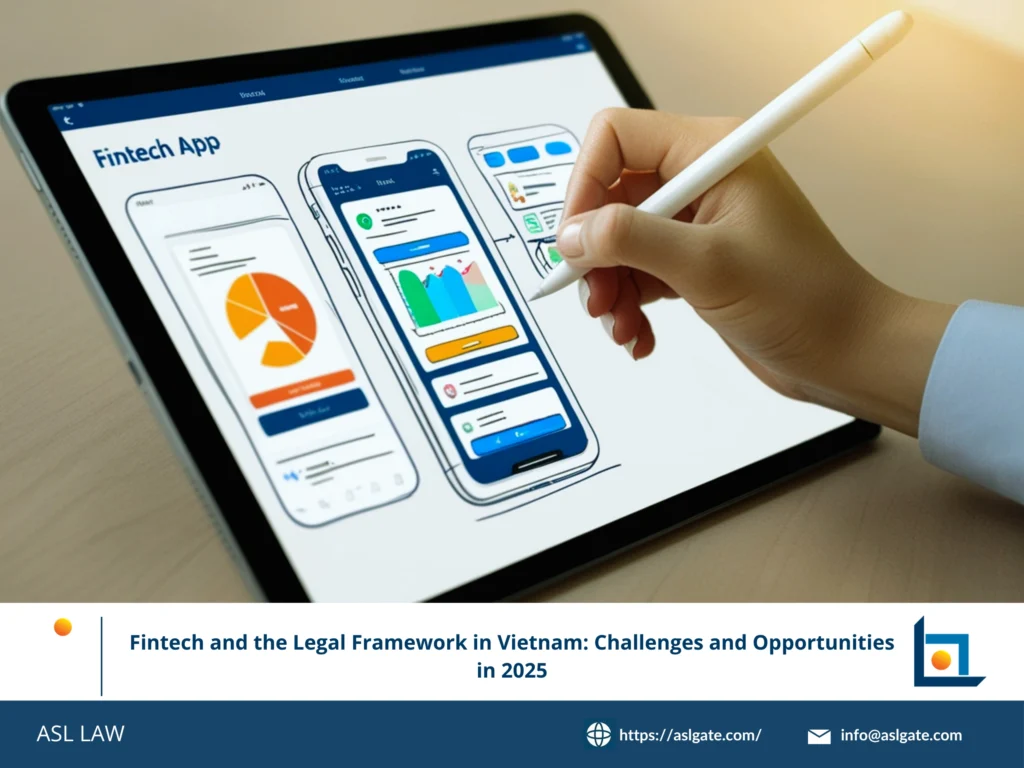
Fintech is rapidly transforming Vietnam’s financial landscape, offering innovative solutions for payments, lending, oversea investment, and digital banking. As the sector expands, understanding the legal framework is crucial for investors, entrepreneurs, and legal professionals. In 2025, Vietnam faces both opportunities and challenges in regulating Fintech while fostering innovation. This article explores the current legal environment, identifies challenges, and highlights potential opportunities for growth.
Enterprises doing business in Vietnam should contact a reputable law firm in Vietnam to assist them with specific legal consultation in Vietnam tailored to their specific needs.
Fintech and the Legal Framework in Vietnam: Challenges and Opportunities in 2025
Overview of Vietnam’s Fintech Market
Vietnam’s Fintech sector has seen remarkable growth, driven by rising smartphone penetration, digital adoption, and a growing middle class. Fintech companies provide solutions for mobile payments, digital wallets, peer-to-peer lending, blockchain applications, and online oversea investment platforms. However, the rapid development of this sector requires a robust legal framework to ensure consumer protection, compliance, and financial stability.
Key Legal Challenges for Fintech in Vietnam
1. Regulatory Gaps and Uncertainties
One of the main challenges is the absence of comprehensive regulations for emerging Fintech services. While circulars and draft guidelines exist, uncertainties in licensing, cross-border transactions, and digital asset handling create risks for businesses.
2. Data Privacy and Cybersecurity
Fintech companies handle sensitive personal and financial data. Vietnam has introduced new cybersecurity and data protection regulations, but compliance can be complex. Non-compliance may lead to fines, reputational damage, or operational restrictions.
3. Anti-Money Laundering (AML) and Counter-Terrorism Financing (CTF)
Fintech services must adhere to AML and CTF requirements, including customer verification, transaction monitoring, and reporting obligations. Ensuring compliance while maintaining user experience is a significant challenge.
4. Digital Payment Licensing
Providers of e-wallets and digital payment services need proper licensing from the State Bank of Vietnam. The licensing process may be lengthy and requires strict adherence to operational, capital, and risk management criteria.
Opportunities in Vietnam’s Fintech Legal Framework
- Government Support and Policy Initiatives
Vietnam is encouraging financial innovation through pilot projects, sandbox programs, and favorable regulatory policies. These initiatives create a supportive environment for startups and established players. - Cross-Border Oversea Investment Potential
Fintech companies can tap into regional markets, leveraging Vietnam’s position in ASEAN. Clear legal guidance on cross-border transactions will enhance investor confidence. - Digital Banking and Payment Expansion
The legal framework for digital banking and e-payments is gradually improving, providing opportunities for licensed providers to scale operations safely and efficiently. - Innovation in Blockchain and Digital Assets
Vietnam’s evolving approach to digital assets and blockchain applications offers businesses the chance to explore new products while navigating regulatory compliance.
How Fintech Companies Can Prepare
- Conduct thorough legal due diligence before launching operations.
- Ensure compliance with licensing requirements and regulatory updates.
- Implement robust data protection and cybersecurity measures.
- Adopt AML/CTF policies tailored to Fintech operations.
- Monitor regulatory developments and participate in sandbox programs where applicable.
FAQ
1. What are the main challenges for Fintech in Vietnam in 2025?
Regulatory gaps, data privacy issues, AML/CTF compliance, and licensing for digital payment services are key challenges.
2. How can Fintech companies leverage opportunities in Vietnam?
By participating in government sandbox programs, expanding digital banking services, and exploring blockchain and digital assets under compliant frameworks.
3. Why is compliance with cybersecurity and data protection laws important?
Non-compliance can result in fines, reputational damage, or operational restrictions, impacting business sustainability.
4. What licensing is required for digital payment providers in Vietnam?
Providers must obtain licenses from the State Bank of Vietnam, meeting capital, operational, and risk management criteria.
5. How should Fintech companies prepare for legal challenges in Vietnam?
Conduct legal due diligence, implement robust compliance policies, follow regulatory updates, and engage with pilot programs to mitigate risks.
Conclusion
Vietnam’s Fintech sector in 2025 presents both significant challenges and promising opportunities. By understanding the Fintech legal framework in Vietnam, proactively managing regulatory risks, and leveraging policy support, businesses can thrive in the evolving digital financial landscape while ensuring compliance and sustainable growth.
ASL Law is a leading full-service and independent Vietnamese law firm made up of experienced and talented lawyers. ASL Law is ranked as the top tier Law Firm in Vietnam by Legal500, Asia Law, WTR, and Asia Business Law Journal. Based in both Hanoi and Ho Chi Minh City in Vietnam, the firm’s main purpose is to provide the most practical, efficient and lawful advice to its domestic and international clients. If we can be of assistance, please email to [email protected].
ASL LAW is the top-tier Vietnam law firm for in-depth legal advice in Vietnam and internationally. If you need any advice, please contact us for further information or collaboration.