Tiếng Việt
 中文 (中国)
 日本語
日本語

Vietnam continues to position itself as one of Southeast Asia’s most dynamic property markets. With accelerating urbanization, manufacturing expansion, and infrastructure upgrades, key investment opportunities Vietnam real estate market 2026 are attracting growing attention from foreign investors, developers, and infrastructure funds. This article analyzes industrial park and logistics real estate investment Vietnam, explores infrastructure projects…

25
Mar
Mar
As Vietnam deepens its integration into global supply chains, contractual complexity and cross-border transactions are increasing. For foreign investors, tech entrepreneurs, and legal professionals, understanding business dispute resolution methods available in Vietnam is critical to protecting commercial interests and ensuring enforceable outcomes. Choosing the right forum affects cost, confidentiality, enforceability, and long-term business relationships. This…
10
Mar
Mar
Vietnam’s dynamic business environment is driving demand for smarter legal management models. Foreign investors, tech entrepreneurs, and legal professionals increasingly seek outsourcing legal services Vietnam cost reduction efficiency solutions that balance compliance with financial discipline. As regulatory complexity expands across offshore investment, corporate governance, trade remedy exposure, data protection, and intellectual property, companies must rethink…

20
Mar
Mar
Vietnam’s labor regulatory framework continues to evolve in response to economic growth, workforce mobility, and digital transformation. For foreign investors, tech entrepreneurs, and legal professionals, understanding key labor law changes affecting businesses Vietnam 2026 is essential to maintaining compliance and operational stability. Recent adjustments impact wage structures, working hours, digital documentation, and employer contribution obligations….
06
Apr
Apr
The establishment of international financial centers in Vietnam is expected to expand capital markets and facilitate long-term capital flows in accordance with international standards. As Vietnam continues to strengthen its position as an attractive investment destination, drawing increasing attention from the global financial community, cross-border trade and investment activities between Vietnam and the United States…

19
Mar
Mar
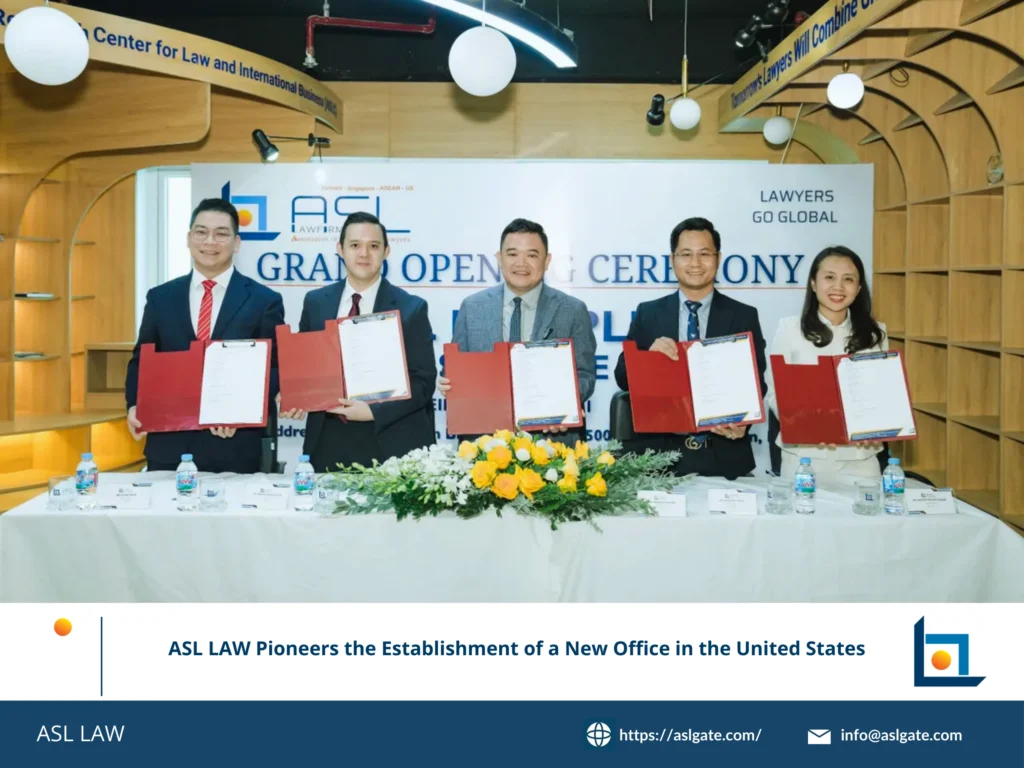
ASL LAW LLC (ASL LAW) officially announces that Dr. Nguyen Thi Thu Hien has joined the firm as a Partner, marking an important milestone in the firm’s strategy to strengthen its professional capacity and expand its legal services. The addition of Dr. Nguyen Thi Thu Hien is expected to further reinforce ASL LAW’s team of…

13
Mar
Mar
For technology companies, startups, and foreign investors entering the Vietnamese market, securing copyright protection for software under Vietnam IP Law is a critical compliance and risk-management step. Although copyright arises automatically upon creation, registering software copyright Vietnam step-by-step provides stronger evidentiary value, enhances enforcement options, and strengthens oversea investment‘s confidence. This guide explains the legal…

13
Mar
Mar
Vietnam is entering a new phase of intellectual property protection. With the Vietnam IP reforms April 2026 key changes, enforcement authorities, courts, and right holders are adjusting to a more structured and deterrence-oriented system. For foreign investors, technology companies, and brand owners, understanding the new IP enforcement directions Vietnam legal reforms 2026 is essential to…
12
Mar
Mar
For brand owners operating in Vietnam, maintaining trademark validity is as important as obtaining registration. The trademark renewal process and deadlines Vietnam require careful monitoring to avoid unintended loss of rights. Failure to comply with procedural requirements may lead to trademark cancellation for non-renewal Vietnam, exposing businesses to infringement risks and brand dilution. This article…

22
Mar
Mar
Transferring patent rights in Vietnam is not merely a contractual matter. It requires strict compliance with administrative procedures and substantive legal conditions. For technology companies, investors, and multinational corporations, understanding patent transfer ownership Vietnam key considerations is essential to avoid regulatory rejection, unenforceability, or post-transaction disputes. This article analyzes patent assignment risks and solutions Vietnam,…