Tiếng Việt
 中文 (中国)
 日本語
日本語
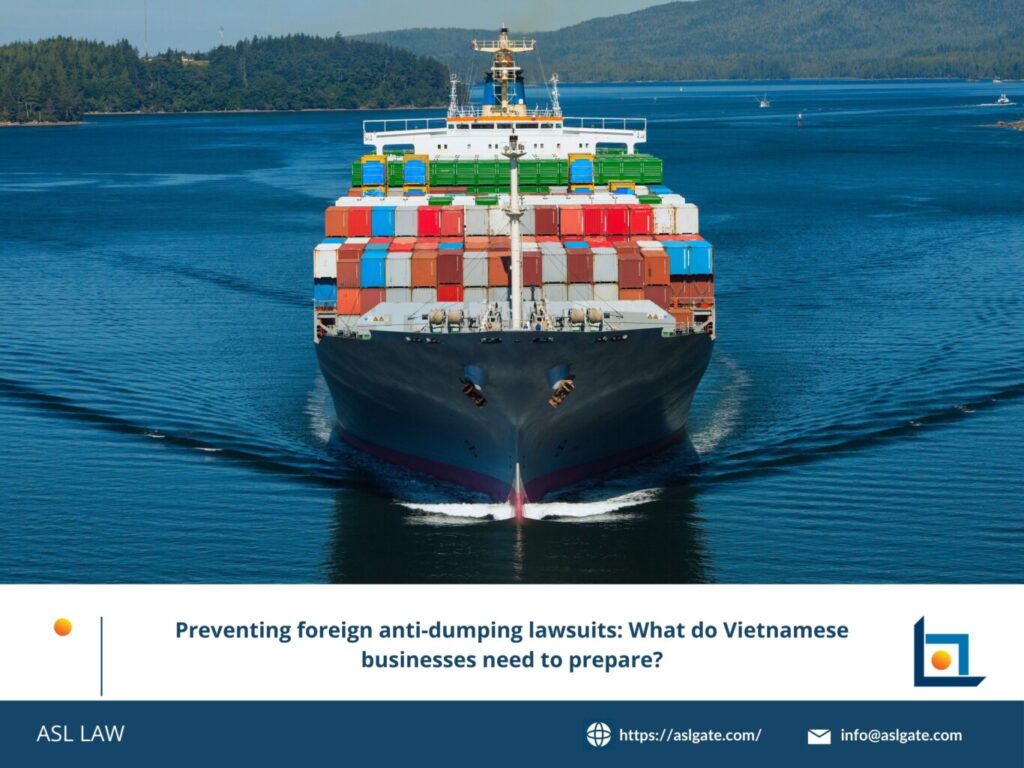
Facing anti-dumping investigations abroad is a serious challenge for Vietnamese exporters. The risks go beyond punitive duties—such cases can affect market access, disrupt relationships with partners, and damage brand reputation. A clear understanding of the process and early preparation are essential to safeguarding business interests and ensuring export continuity.
Understand the Anti-Dumping Investigation Process
Once an anti-dumping investigation is initiated by a foreign authority, exporters will receive a detailed questionnaire requesting information on export pricing, production costs, corporate structure, relationships with importers, and audited financial data. The timeline for response is usually short—typically 30 to 40 days from the initiation date.
Failure to submit complete and timely responses may result in the application of “adverse facts available” (AFA), leading to punitive duties or classification as non-cooperative. For professional exporters, preparing relevant data and understanding the process before any investigation begins is not optional—it’s a necessity.
Maintain Transparent Accounting and Internal Data Systems
One of the core requirements during an anti-dumping probe is the ability to substantiate pricing and costs using audited accounting records. Companies must implement robust, transparent accounting and management systems that align with international or importing-country standards.
Authorities may also request documents such as invoices, sales contracts, payroll records, raw material costs, and transaction terms with related parties. Inconsistencies or a lack of transparency in this data may severely disadvantage the exporter during on-site verification and in the final margin calculation.
Engage Trade Remedy Lawyers and International Trade Experts
Upon receiving an investigation notice, businesses should immediately engage legal counsel with trade remedy expertise—especially those with experience in the relevant jurisdiction. These professionals assist in reviewing case files, developing response strategies, and representing the company throughout the investigation.
Beyond technical assistance, legal experts help ensure data confidentiality, minimize risks from incomplete documentation, and coordinate with Vietnam’s Ministry of Industry and Trade or relevant industry associations. They also support rebuttals to preliminary and final findings, which can be crucial in reducing duty rates.
Leverage Industry Collaboration and Defensive Strategies
In addition to submitting a timely and complete questionnaire response, exporters can apply to become a “mandatory respondent” or join a “voluntary respondent” group, which may result in company-specific duty rates rather than a high national average rate. This approach is commonly used in the U.S., EU, India, and Turkey.
Cooperation among exporters—such as joint filings or shared legal costs—can amplify the impact of their defense. Industry associations, chambers of commerce, and the Ministry of Industry and Trade also play critical roles in coordinating collective actions to protect Vietnam’s trade interests abroad.
Adopt a Preventive Mindset: Anti-Dumping as a Strategic Risk
Anti-dumping investigations are no longer rare, and businesses should treat them as a foreseeable risk in their export strategy. From the outset, companies should adopt internationally compliant accounting systems, proactively assess market exposure, and prepare legal response plans in anticipation of potential trade remedy actions.
Diversifying export markets is another key strategy—avoiding over-reliance on a single destination can mitigate the impact of trade remedies. Beyond legal defense, this approach supports long-term growth and resilience amid the increasing complexity of global trade competition.
Conclusion
Being targeted in an anti-dumping investigation is a serious risk, but it can be managed with the right legal preparation, transparent internal systems, and strategic coordination. Vietnamese businesses that take a proactive, informed approach can not only reduce liability but also strengthen their reputation and competitiveness on the global stage.
To protect their legitimate interests, manufacturers and exporters should familiarize themselves with the procedure and actively contact Vietnam Antidumping Law Firm specializing in anti-dumping and trade remedy for timely assistance.
ASL Law is a leading full-service and independent Vietnamese law firm made up of experienced and talented lawyers. ASL Law is ranked as the top tier Law Firm in Vietnam by Legal500, Asia Law, WTR, and Asia Business Law Journal. Based in both Hanoi and Ho Chi Minh City in Vietnam, the firm’s main purpose is to provide the most practical, efficient and lawful advice to its domestic and international clients. If we can be of assistance, please email to [email protected].
ASL LAW is the top-tier Vietnam law firm for Anti-dumping & countervailing. If you need any advice, please contact us for further information or collaboration.