Tiếng Việt
 中文 (中国)
 日本語
日本語
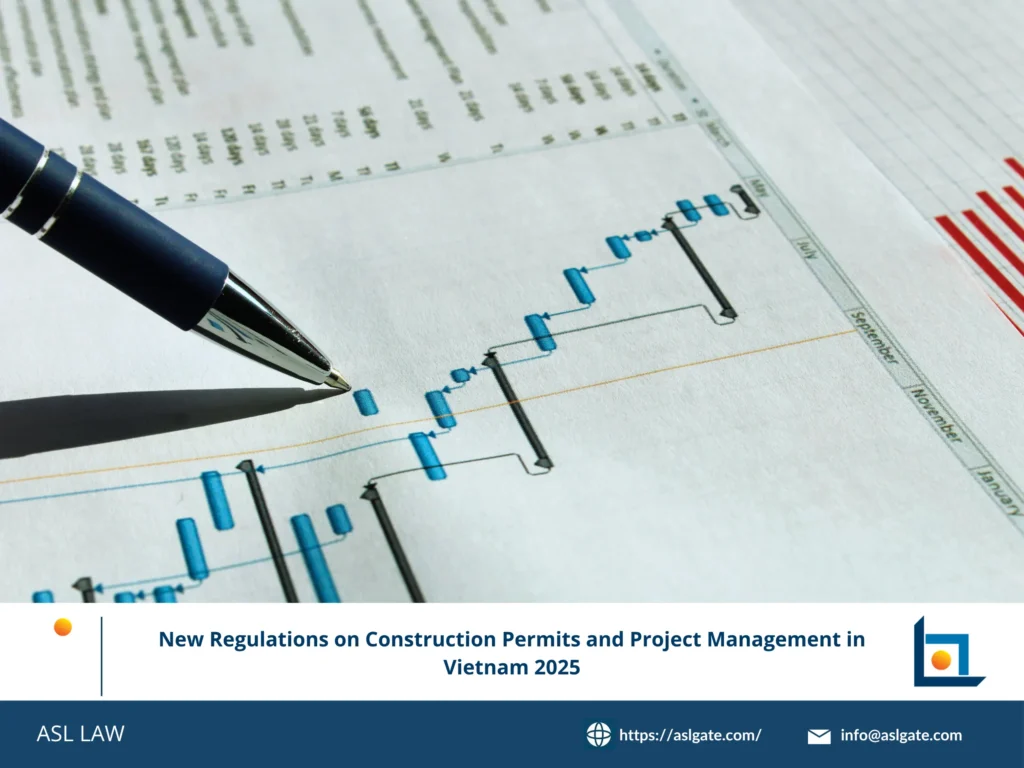
As Vietnam enters 2025, a series of new regulations on construction permits and project management are reshaping how foreign investors and developers operate in the country’s booming sector of real estate and construction in Vietnam. This article outlines the key legislative updates, their implications for construction project management, and strategic recommendations for enterprises doing business in Vietnam seeking compliance and efficiency under the new legal framework.
Overview of the new regulatory framework
The new regulations construction permits Vietnam 2025 mark a pivotal change in Vietnam’s construction law, focusing on transparency, digitalization, and sustainable development. The revised rules simplify administrative procedures, reinforce environmental and safety standards, and promote accountability across all stages of project implementation. For foreign investors, these reforms signal a more predictable legal environment, aligning Vietnam’s construction industry closer to international practices.
Key changes in construction permit requirements
Vietnam building permits 2025 changes aim to reduce procedural delays and strengthen post-permit supervision. Investors are now required to submit digital construction plans through an integrated online portal managed by the Ministry of Construction. This platform enables automatic verification of zoning compliance and environmental criteria, significantly cutting approval times. Moreover, construction permits are now valid for longer durations—extended from 12 months to 24 months—to accommodate large-scale infrastructure projects.
Simplified procedures for small and medium projects
Small and medium-sized construction projects can now obtain permits through a streamlined “fast-track” system if they meet pre-approved design and safety criteria. This update reflects the government’s push for decentralization, allowing provincial authorities to issue permits more efficiently while maintaining oversight from central agencies.
Enhanced environmental and safety standards
A key component of construction project management updates Vietnam involves stricter environmental assessments. Projects exceeding certain investment thresholds must include carbon emission analyses and climate adaptation plans. Safety requirements have also been expanded to mandate digital monitoring tools on construction sites, ensuring real-time compliance with safety regulations.
Project management regulations under the 2025 framework
The project management regulations Vietnam 2025 emphasize accountability, risk management, and data transparency. Every construction project must now appoint a certified project management consultant, whose qualifications are subject to national accreditation. The use of Building Information Modeling (BIM) has been made mandatory for government-funded projects above a defined capital level, reflecting Vietnam’s commitment to digital transformation in construction management.
Strengthened oversight and reporting obligations
Under the new regulations construction permits Vietnam 2025, project owners must submit quarterly progress reports through a centralized database accessible to regulators and financial institutions. This allows early detection of delays or budget overruns. Additionally, inspection authorities can conduct digital audits instead of traditional on-site checks, further improving efficiency.
Legal and administrative implications for foreign investors
The legal updates construction Vietnam are designed to align with ASEAN and international construction standards. For foreign developers, the most notable change is the recognition of foreign-issued design certificates, provided they are endorsed by a Vietnamese authority. This facilitates cross-border project collaboration and reduces documentation redundancy. Foreign contractors, however, must still obtain work permits for technical experts and ensure full compliance with Vietnam’s labor and safety codes.
Coordination with local authorities
Effective coordination with local departments of construction remains crucial. Although digital systems streamline much of the permit process, physical verification may still be required in sensitive or high-value projects. Foreign investors should also monitor sub-law guidance from the Ministry of Construction, which often provides detailed instructions on implementation timelines.
Future outlook and compliance strategies
The reforms are part of Vietnam’s broader effort to modernize infrastructure governance, reduce corruption risks, and attract high-quality foreign direct investment. Companies should integrate compliance technology, maintain updated digital records, and engage qualified legal counsel familiar with both Vietnamese and international construction regulations. Vietnam building permits 2025 changes and project management regulations Vietnam 2025 together create opportunities for more efficient and transparent construction operations, especially in industrial zones and smart city developments.
FAQ
1. What are the major changes under the new construction permit regulations in Vietnam 2025?
the new regulations introduce digital applications, longer permit validity, and stricter environmental standards, aimed at improving transparency and efficiency.
2. Are foreign investors required to use Vietnam’s online permit system?
yes, all applicants—including foreign developers—must submit digital permit applications through the national construction management platform.
3. How do the new rules affect large infrastructure projects?
they benefit from extended permit validity (up to 24 months) and simplified documentation, allowing better project scheduling and capital allocation.
4. Is the use of Building Information Modeling (BIM) mandatory?
yes, for government-funded projects exceeding specific capital thresholds, BIM integration is now compulsory to enhance planning and execution accuracy.
5. What should investors do to stay compliant with construction project management updates Vietnam?
they should work closely with licensed consultants, monitor legal updates construction Vietnam, and maintain transparent records for inspection readiness.
Conclusion
Find legal advice on real estate and construction in Vietnam through ASL LAW’s lists of renowned real estate and construction in Vietnam lawyers.
The new regulations construction permits Vietnam 2025 represent a major step toward digital transformation and sustainable governance in Vietnam’s construction sector. For foreign investors and developers, understanding these changes is crucial to ensuring compliance, minimizing delays, and leveraging new business opportunities. By adapting early to the project management regulations Vietnam 2025, enterprises doing business in Vietnam can build a strong foundation for long-term success in one of Asia’s fastest-growing construction markets.
ASL Law is a leading full-service and independent Vietnamese law firm made up of experienced and talented lawyers. ASL Law is ranked as the top tier Law Firm in Vietnam by Legal500, Asia Law, WTR, and Asia Business Law Journal. Based in both Hanoi and Ho Chi Minh City in Vietnam, the firm’s main purpose is to provide the most practical, efficient and lawful advice to its domestic and international clients. If we can be of assistance, please email to [email protected].
ASL LAW is the top tier Real Estate law firm in Vietnam. If you need any advice, please contact us for further information or collaboration.