Tiếng Việt
 中文 (中国)
 日本語
日本語
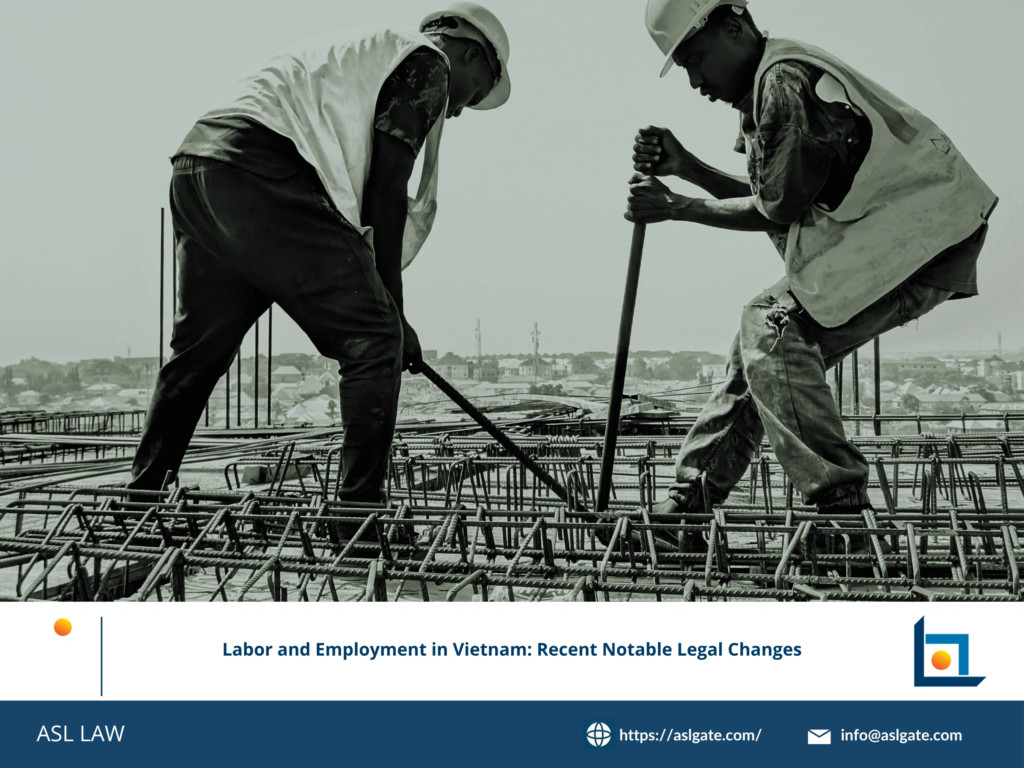
Vietnam’s labor and employment framework continues to evolve in 2026 as businesses adapt to new regulatory requirements, digital transformation, changing workforce expectations, and deeper international economic integration. For domestic enterprises and foreign-invested companies alike, staying updated on the latest labor regulations is essential to maintaining compliance, reducing employment disputes, and building sustainable human resource management systems. Employers that proactively monitor legal developments in 2026 and beyond are better positioned to manage legal risks while maintaining a competitive workforce.
Significant changes in employment law in Vietnam have become one of the most important compliance topics for employers operating in Vietnam in 2026. By understanding key employment regulation amendments Vietnam 2026, reviewing Vietnam labor code modifications businesses must know, and responding proactively to notable employment law developments, organizations can strengthen legal compliance while protecting both business continuity and employee rights.
Significant Labor Law Changes Vietnam Recent Updates
Significant labor law changes Vietnam recent updates continue to affect recruitment, labor contracts, employee management, workplace compliance, occupational safety, social insurance obligations, and dispute prevention. As Vietnam modernizes its labor market, employers are expected to maintain stronger internal compliance systems and regularly review employment documentation.
Furthermore, significant labor law changes Vietnam recent updates encourage businesses to update internal labor regulations, employee handbooks, disciplinary procedures, payroll administration, and HR policies to reflect the latest legal requirements applicable in 2026 and future regulatory developments.
Businesses that conduct periodic legal compliance reviews with full Service law firm in Vietnam are generally better prepared to adapt to evolving employment obligations.
Key Employment Regulation Amendments Vietnam 2026
Key employment regulation amendments Vietnam 2026 require businesses to pay closer attention to employment contracts, employee benefits, labor administration procedures, workplace safety obligations, working time management, and social insurance compliance. Employers should regularly assess whether their HR practices remain consistent with the latest legal framework.
In addition, key employment regulation amendments Vietnam 2026 highlight the importance of improving employment documentation, strengthening internal approval processes, and ensuring management personnel understand updated legal responsibilities when making employment decisions.
Proactive legal audits remain an effective way to identify compliance gaps before they develop into employment disputes.
Vietnam Labor Code Modifications Businesses Must Know
Employment law in Vietnam modifications businesses must know continue to influence everyday employment decisions involving recruitment, probation, labor contracts, employee performance evaluation, disciplinary action, termination procedures, and workplace governance.
Moreover, Vietnam labor code modifications businesses must know emphasize greater transparency in employment practices, accurate personnel record management, and stronger compliance with statutory employer obligations. Businesses should regularly review employment templates and internal procedures to ensure they remain legally compliant.
Close cooperation between human resource departments and legal advisors like full Service law firm in Vietnam helps organizations respond efficiently to legislative developments.
Notable Shifts in Employment Law Vietnam
Notable shifts in employment law Vietnam reflect broader economic and workplace changes, including digital transformation, flexible working arrangements, workforce mobility, increased compliance expectations, employee wellbeing, and technological innovation in human resource management.
Furthermore, notable shifts in employment law Vietnam encourage employers to modernize workforce governance while balancing operational efficiency with legal compliance. Businesses that integrate technology, compliance monitoring, and regular legal training into HR management are generally better equipped to navigate future regulatory developments.
Continuous policy updates also help strengthen organizational resilience in an evolving labor market.
Critical Labor Policy Changes Affecting Vietnamese Employers
Critical labor policy changes affecting Vietnamese employers continue to shape corporate governance, workforce planning, recruitment strategies, employee retention, compensation policies, and legal risk management throughout 2026. Employers should treat labor compliance as an ongoing management function rather than a periodic legal review.
Additionally, critical labor policy changes affecting Vietnamese employers require organizations to establish stronger compliance mechanisms, improve internal reporting procedures, provide management training, and regularly monitor future legislative developments that may affect employment operations.
A proactive compliance culture enables businesses to reduce legal exposure while fostering positive employee relations and sustainable growth.
Frequently Asked Questions
1. Why should employers monitor significant labor law changes Vietnam recent updates in 2026?
Regular monitoring provided by Vietnam law firm helps businesses maintain compliance, update employment policies, reduce labor disputes, and respond effectively to evolving legal requirements.
2. What areas are covered by key employment regulation amendments Vietnam 2026?
The amendments may affect employment contracts, working conditions, labor administration, employee rights, workplace safety, social insurance obligations, and HR compliance procedures.
3. Why are Vietnam labor code modifications businesses must know important?
They influence daily employment management, contract administration, disciplinary procedures, termination decisions, and overall corporate compliance.
4. What are the notable shifts in employment law Vietnam in 2026?
Current developments include stronger compliance expectations, digital workforce management, flexible employment models, enhanced employee protection, and modernized human resource governance.
5. How do critical labor policy changes affecting Vietnamese employers impact business operations?
They influence recruitment, workforce management, compliance systems, compensation planning, dispute prevention, corporate governance, and long-term human resource strategy.
Conclusion
Significant labor law changes Vietnam recent updates continue to reshape employment compliance for businesses operating in Vietnam throughout 2026 and beyond. Organizations that understand key employment regulation amendments Vietnam 2026 while implementing Vietnam labor code modifications businesses must know are better positioned to reduce legal risks and strengthen workforce management.
Looking ahead, employers should closely monitor notable shifts in employment law Vietnam while proactively adapting to critical labor policy changes affecting Vietnamese employers. By embedding continuous legal compliance into human resource management and corporate governance, businesses can improve operational resilience, strengthen employee relationships, and support sustainable growth in Vietnam’s evolving employment landscape.
ASL Law is a leading full-service and independent Vietnamese law firm made up of experienced and talented lawyers. ASL Law is ranked as the top tier Law Firm in Vietnam by Legal500, Asia Law, WTR, and Asia Business Law Journal. Based in both Hanoi and Ho Chi Minh City in Vietnam, the firm’s main purpose is to provide the most practical, efficient and lawful advice to its domestic and international clients. If we can be of assistance, please email to [email protected].
ASL LAW is the top-tier Vietnam law firm for Employment and Labor Law. If you need any advice, please contact us for further information or collaboration.