Tiếng Việt
 中文 (中国)
 日本語
日本語
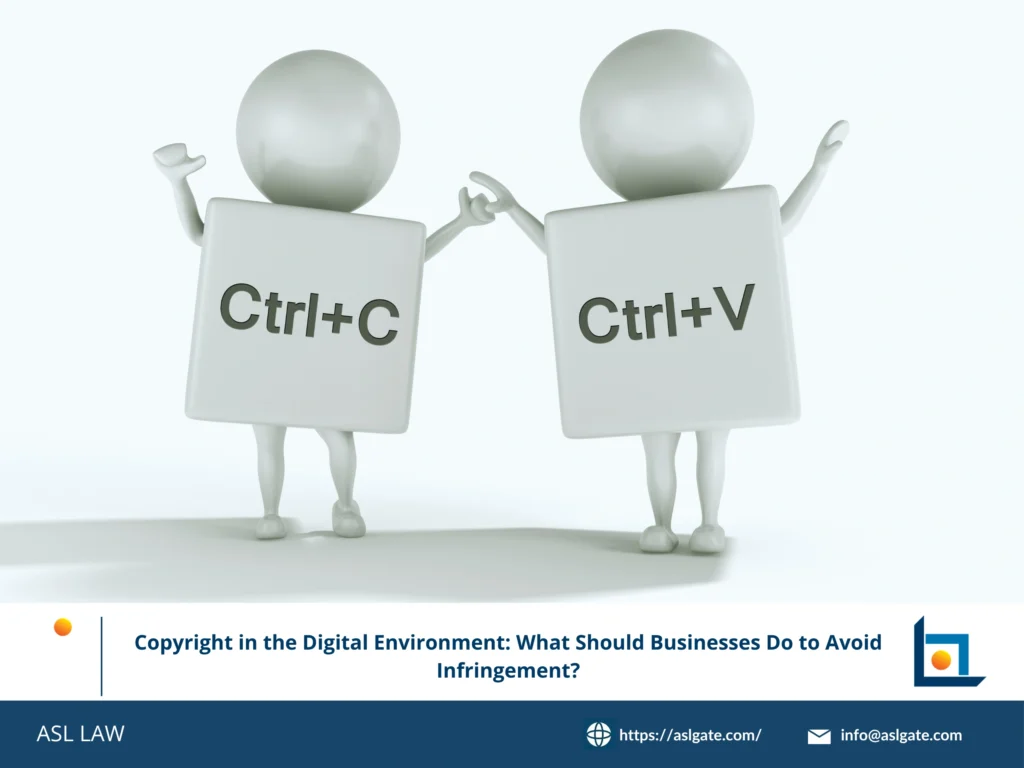
As Vietnam’s digital economy accelerates, the intersection between technology and intellectual property (IP) protection becomes more complex. Enterprises doing business in Vietnam operating online face growing risks of copyright infringement — from content sharing and advertising to AI-generated materials. This article explores how companies can protect themselves under Vietnam’s evolving legal framework and adapt compliance strategies for sustainable growth in the digital era.
Understanding Copyright Challenges in Vietnam’s Digital Environment
The digital environment copyright infringement Vietnam business landscape is changing rapidly. With the explosion of e-commerce platforms, social media marketing, and content creation, violations of copyright in Vietnam have become increasingly common — sometimes even unintentional.
Vietnam’s IP authorities have strengthened digital enforcement through monitoring tools, online takedown mechanisms, and public awareness campaigns. However, many companies still underestimate the risks of reposting images, videos, or articles without authorization, which may lead to administrative penalties or even criminal prosecution.
Copyright in Vietnam in the Digital Age: Opportunities and Risks for Businesses
In the context of copyright protection digital age Vietnam for business, technology provides both new possibilities and vulnerabilities. On one hand, digital tools allow businesses to distribute creative works faster and more widely. On the other hand, these same tools make copying and unauthorized distribution easier than ever before.
For example, marketing agencies often reuse stock images or music without verifying licenses, while AI-driven platforms may generate content that unintentionally replicates copyrighted works. Businesses must therefore adopt proactive measures to ensure compliance in the digital economy.
Legal Framework: Vietnam’s Approach to Digital Copyright Protection
Vietnam’s copyright legislation, primarily governed by the 2005 IP Law (amended in 2022), has been updated to reflect global trends. The Vietnam digital copyright law compliance for business focuses on regulating online content, clarifying ownership of digital works, and enhancing enforcement capacity.
The amendments introduce clearer definitions for digital content, user-generated materials, and the liability of online service providers. Vietnam has also integrated international standards under the Berne Convention, WCT (WIPO Copyright Treaty), and TRIPS Agreement, ensuring compatibility with global practices.
Regulatory Enforcement and Practical Implications
Authorities such as the Ministry of Culture, Sports and Tourism (MCST) and the Ministry of Information and Communications (MIC) are actively collaborating to handle violations of digital copyright in Vietnam. Businesses found infringing may face sanctions including fines, removal of content, suspension of websites, or compensation for damages.
In practice, regulators are encouraging companies to implement internal IP management systems and conduct regular compliance audits — key steps in minimizing exposure to digital copyright risks.
How Businesses Can Avoid Digital Copyright Infringement
When discussing how business avoid digital copyright infringement Vietnam, prevention is always more effective than correction. Companies should establish comprehensive copyright compliance frameworks that integrate legal, technical, and ethical considerations.
Key measures include:
- Developing clear policies for the use of third-party content across all digital channels.
- Training employees, especially marketing and design teams, on copyright awareness.
- Implementing licensing verification processes before publishing or distributing digital materials.
- Using automated tools to monitor unauthorized use of corporate content online.
- Seeking professional legal advice in complex cases involving cross-border copyright issues.
Creating a Copyright-Responsible Corporate Culture
Protecting copyright digital environment business strategy Vietnam requires more than just legal compliance — it demands a mindset of respect for creative ownership. Companies should promote internal accountability, encouraging employees to value originality and proper attribution.
Many successful Vietnamese enterprises now integrate IP education into their corporate governance structures, ensuring that copyright protection is part of everyday business decisions. This not only reduces legal risks but also enhances brand credibility and consumer trust.
Business Strategies for Protecting Copyright in the Digital Era
An effective digital copyright strategy should align with a company’s broader innovation and branding goals. Enterprises doing business in Vietnam that prioritize compliance and ethical content use gain competitive advantages — particularly in industries like e-commerce, media, education, and technology.
As seen in the protecting copyright digital environment business strategy Vietnam trend, firms are increasingly investing in digital rights management (DRM) systems, cloud-based monitoring tools, and partnerships with content licensing agencies.
Proactive engagement with regulators, participation in IP training programs, and adopting international compliance standards (such as ISO 56005 for IP management) are also becoming best practices among forward-thinking enterprises.
The Role of Technology and AI Compliance
With AI-generated content becoming mainstream, new questions arise regarding ownership and liability. Businesses should clearly define the role of AI tools in their creative processes, document sources, and verify that training data or generated outputs do not infringe third-party rights.
AI can also serve as a defense mechanism — detecting plagiarism, tracking image duplication, and ensuring authenticity across digital platforms. Balancing innovation with compliance will be critical for businesses seeking long-term success in Vietnam’s digital market.
FAQ: Key Questions About Digital Copyright and Compliance in Vietnam
1. What are the main copyright challenges for businesses in Vietnam’s digital environment?
Common challenges include unlicensed content use, lack of copyright awareness, and increasing regulatory scrutiny of online materials.
2. How can businesses ensure copyright protection in the digital age Vietnam for business?
By establishing internal compliance systems, training staff, and using verified content sources, companies can safeguard against copyright infringement.
3. What does Vietnam digital copyright law compliance for business require?
It requires adherence to IP Law provisions, proper attribution, respect for digital ownership, and active cooperation with regulatory authorities.
4. How business avoid digital copyright infringement Vietnam effectively?
By adopting clear policies, auditing content regularly, and integrating legal checks into digital marketing and creative workflows.
5. Why is protecting copyright digital environment business strategy Vietnam important?
Because it strengthens brand reputation, builds consumer trust, and ensures sustainable growth in a competitive digital marketplace.
Conclusion
In today’s rapidly evolving online ecosystem, the digital environment copyright infringement Vietnam business challenge demands strategic foresight and ethical commitment. Companies that embrace compliance not only protect their legal interests but also enhance their brand value in the eyes of global consumers.
For foreign investors, tech entrepreneurs, and legal professionals, understanding Vietnam’s digital copyright framework is no longer optional — it is essential. Building a strong protecting copyright digital environment business strategy Vietnam will define success in the new era of digital innovation and global connectivity.
ASL Law is a leading full-service and independent Vietnamese law firm made up of experienced and talented lawyers. ASL Law is ranked as the top tier Law Firm in Vietnam by Legal500, Asia Law, WTR, and Asia Business Law Journal. Based in both Hanoi and Ho Chi Minh City in Vietnam, the firm’s main purpose is to provide the most practical, efficient and lawful advice to its domestic and international clients. If we can be of assistance, please email to [email protected].
ASL LAW is the top-tier Vietnam law firm for Intellectual Property Services. If you need any advice, please contact us for further information or collaboration.