Tiếng Việt
 中文 (中国)
 日本語
日本語
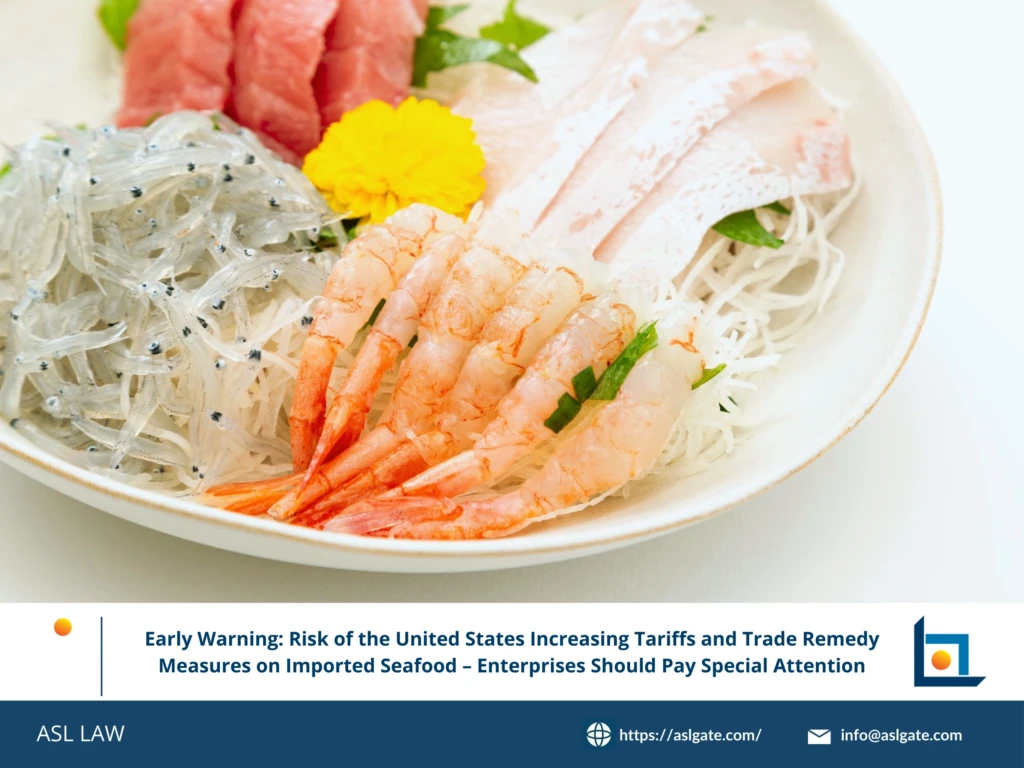
The United States is significantly increasing its use of tariff measures and trade remedy instruments on imported seafood products, creating substantial pressure on exporters targeting this market.
Specifically, import tariffs on certain seafood products have been raised to very high levels, at times reaching approximately 50%. At the same time, trade remedy measures continue to be enforced, including anti-dumping duties and countervailing duties. When combined, the total duty burden imposed on products may exceed 58%, creating a significant trade barrier and directly affecting the competitiveness of imported goods.
Notably, the simultaneous application of multiple instruments—from import tariffs to trade remedy measures—demonstrates a tightening control approach by the United States over seafood imports. These are no longer isolated measures but are increasingly forming a comprehensive protection framework aimed at safeguarding domestic producers from external competition.
This development clearly reflects a growing trend in the use of trade remedy measures in the agriculture and seafood sectors, particularly for products with large import volumes or significant market share in the United States. Under this approach, the risk of expanded investigations, reviews, and further duty increases in the future remains high.
In addition, the sharp adjustment of tariffs within a short period indicates that enterprises may face sudden policy risks, directly impacting orders, costs, and overall supply chains.
Impacts and Warnings for Vietnamese Enterprises
The United States is currently one of Vietnam’s largest export markets for seafood, particularly for key products such as shrimp and pangasius. Therefore, any changes in U.S. tariff policies and trade remedy measures may have direct implications for Vietnamese enterprises.
In practice, seafood is among the sectors most frequently subject to trade remedy investigations. As the United States intensifies the application of such measures with higher duty rates and broader scope, the risk that Vietnamese products will be subject to further reviews, investigations, or duty adjustments remains very real.
Moreover, the concurrent imposition of multiple types of duties places higher compliance requirements on enterprises, including transparency in cost structures, pricing, and the ability to demonstrate the absence of subsidies or dumping practices.
From an opportunity perspective, restrictions on supply from certain markets may create room for Vietnamese enterprises to increase their market share. However, these opportunities come with heightened legal risks, requiring thorough preparation in terms of documentation, data, and export strategies.
In the long term, Vietnamese enterprises should proactively diversify export markets to reduce dependence on a single destination, while enhancing internal competitiveness and strengthening their capacity to respond to trade remedy cases. These will be key factors in sustaining growth amid an increasingly volatile global trade environment.
To protect their legitimate interests, manufacturers and exporters should familiarize themselves with the procedure and actively contact Vietnam Antidumping Law Firm specializing in anti-dumping and trade remedy for timely assistance.
ASL Law is a leading full-service and independent Vietnamese law firm made up of experienced and talented lawyers. ASL Law is ranked as the top tier Law Firm in Vietnamby Legal500, Asia Law, WTR, and Asia Business Law Journal. Based in both Hanoi and Ho Chi Minh City in Vietnam, the firm’s main purpose is to provide the most practical, efficient and lawful advice to its domestic and international clients. If we can be of assistance, please email to [email protected].
ASL LAW is the top-tier Vietnam law firm for Anti-dumping & countervailing. If you need any advice, please contact us for further information or collaboration.