Tiếng Việt
 中文 (中国)
 日本語
日本語
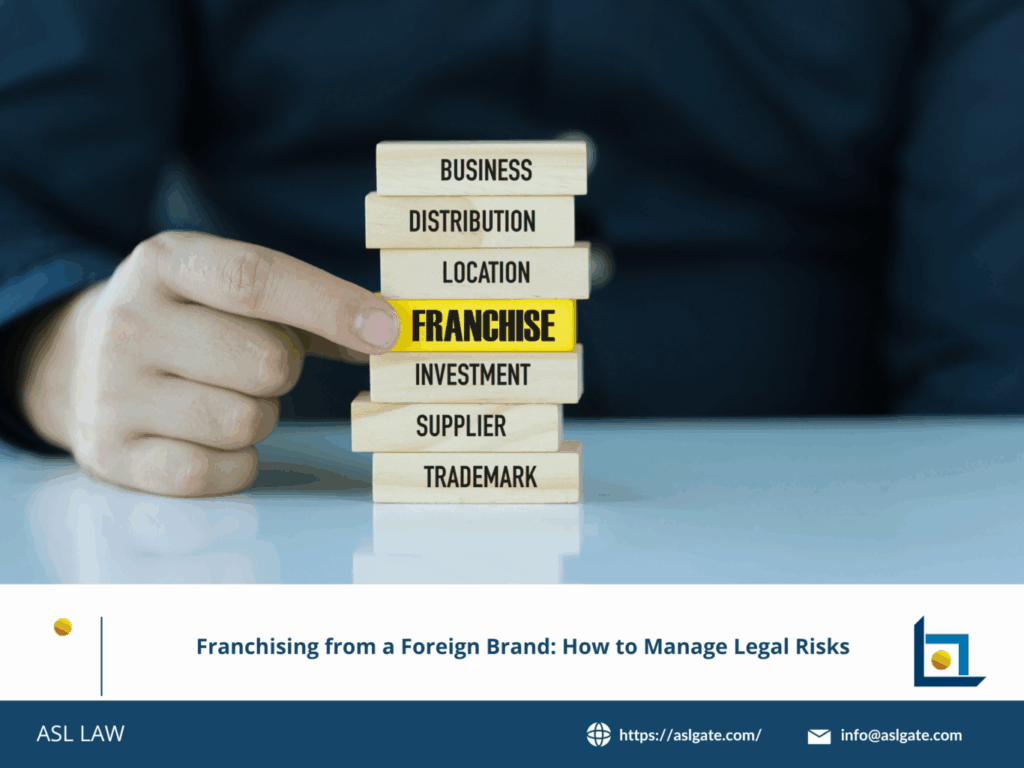
Franchising is a popular business model for Vietnamese entrepreneurs seeking to leverage the reputation, systems, and customer base of established foreign brands. However, this model also introduces complex legal obligations for both the franchisor and the franchisee. Understanding Vietnam’s franchise regulations and managing key legal risks is essential for long-term success.
Regulatory Requirements for Foreign Franchisors
Foreign franchisors must satisfy specific legal conditions before entering the Vietnamese market. According to Decree No. 35/2006/ND-CP (as amended), a foreign brand must:
- Have operated for at least one year in its home country before franchising into Vietnam;
- Register the franchise activity with the Ministry of Industry and Trade (MOIT) before granting rights to Vietnamese franchisees.
Failure to register can result in the franchise agreement being declared invalid under Vietnamese law.
Key Legal Documents and Contractual Issues
Franchise agreements must clearly define the rights and obligations of both parties. Important legal aspects include:
- Territorial scope: Exclusive vs. non-exclusive rights within a region;
- Fees and payments: Upfront fees, royalties, marketing contributions, and their tax implications;
- Use of trademarks: Clear licensing terms and protection of intellectual property;
- Termination conditions: Grounds for early termination and post-termination obligations;
- Training and support: Operational guidance and brand control requirements.
Vietnamese law requires that all franchise contracts be in writing and translated into Vietnamese. Proper legal review is critical to ensure enforceability.
IP Protection and Enforcement
Trademarks and trade secrets are core assets in any franchise. Franchisees should verify that:
- The franchisor has registered its trademarks in Vietnam (Vietnam trademark registration);
- The contract provides mechanisms to enforce IP rights against third parties or infringing franchisees.
Without local IP registration, franchisees may face difficulties in brand protection, even if they have contractual rights.
Commercial Risks and Compliance
Franchisees must also comply with broader commercial and tax regulations, including:
- Foreign exchange controls for royalty and fee payments;
- Corporate income tax and withholding tax obligations;
- Advertising and promotional laws, especially when using global marketing materials.
Disputes may arise if the franchise system does not adapt well to the local market or if performance expectations are misaligned. Well-defined dispute resolution clauses — ideally including international arbitration — can help manage these risks.
Conclusion
Franchising from a foreign brand offers great potential but involves intricate legal commitments. For Vietnamese businesses, the key to success lies in careful contract negotiation, compliance with franchise registration rules, and strong protection of IP rights. Legal foresight ensures that the franchise relationship supports sustainable growth rather than legal exposure.
ASL Law is a leading full-service and independent Vietnamese law firm made up of experienced and talented lawyers. ASL Law is ranked as the top tier Law Firm in Vietnam by Legal500, Asia Law, WTR, and Asia Business Law Journal. Based in both Hanoi and Ho Chi Minh City in Vietnam, the firm’s main purpose is to provide the most practical, efficient and lawful advice to its domestic and international clients. If we can be of assistance, please email to [email protected].
ASL LAW is the top tier Franchise law firm in Vietnam. If you need any advice, please contact us for further information or collaboration.