Tiếng Việt
 中文 (中国)
 日本語
日本語
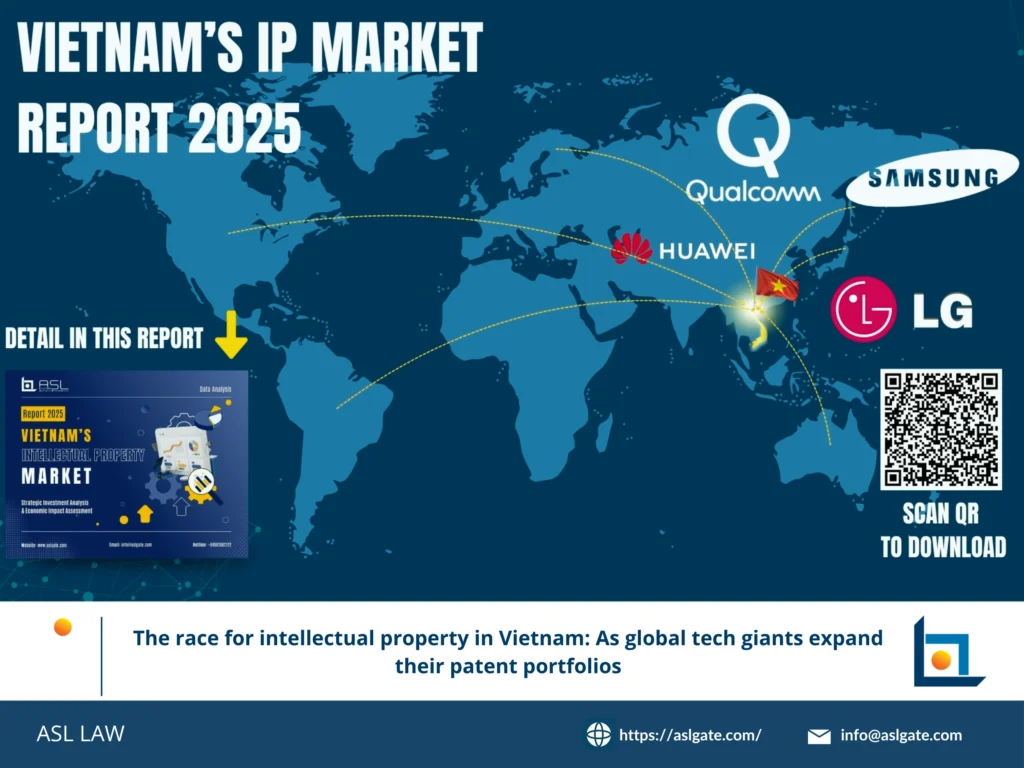
Vietnam is entering a new stage of competition in technology and intellectual property as major corporations from the United States, South Korea, Japan, and China rapidly expand their patent portfolios in this market. The global shift in R&D hubs, combined with Vietnam’s fast-growing digital economy, is turning the country into a strategic destination for innovation….
03
Dec
Dec
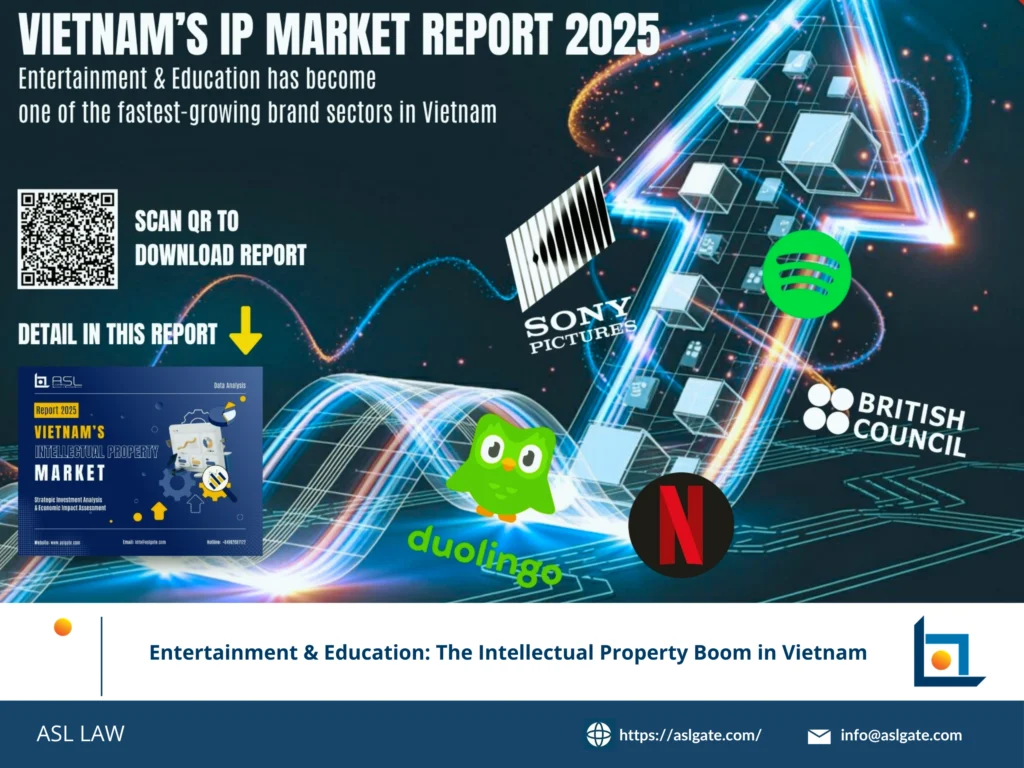
Over the past five years, the entertainment and education sector has emerged as one of the fastest-growing trademark categories in Vietnam, reflecting the market’s dynamism and immense potential. The rapid development of the digital economy, coupled with a young consumer base, is creating significant opportunities for both domestic and international enterprises. Enterprises doing business in…
26
Nov
Nov
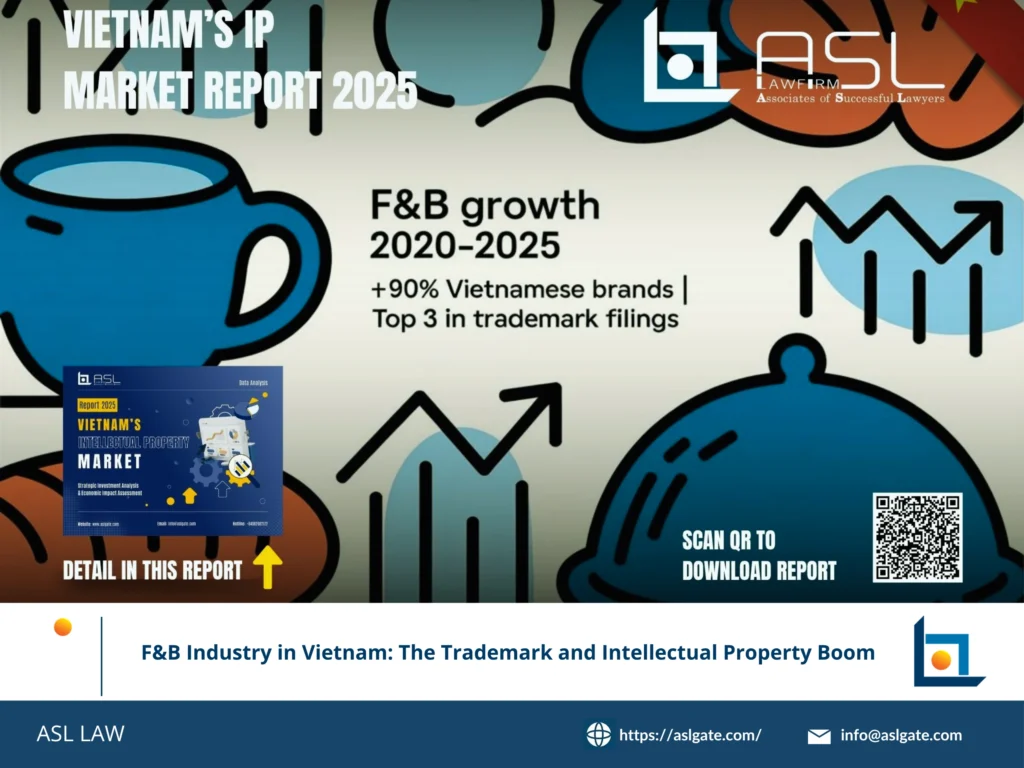
Over the past five years, the F&B (Food & Beverage) sector has experienced impressive trademark growth, becoming one of the most dynamic areas for brand or registration of trademark in Vietnam. This development reflects not only the domestic market’s vitality but also the ambition of Vietnamese enterprises to expand internationally. Enterprises doing business in Vietnam…

01
Dec
Dec
Construction projects in Vietnam are increasingly complex, requiring careful management of legal risks. Companies involved in construction must identify potential issues early and implement preventive measures to protect their oversea investments, maintain project timelines, and avoid disputes. Understanding legal risks in construction contracts Construction contracts involve multiple parties, including contractors, subcontractors, suppliers, and clients. Legal…

04
Dec
Dec
Vietnam is witnessing significant developments in the transfer of green technology and artificial intelligence (AI), creating new opportunities for enterprises doing business in Vietnam. Understanding the latest trends in technology transfer is essential for companies looking to adopt sustainable and innovative solutions while maintaining compliance with regulatory frameworks. Green technology and AI adoption in Vietnam…

06
Dec
Dec
As Vietnam deepens its participation in Free Trade Agreements (FTAs), enterprises doing business in Vietnam face new challenges and opportunities related to trade remedies. Understanding trade remedies and preparing proactively is essential for companies to protect their competitiveness, manage risks, and maximize the benefits of FTA participation. Understanding trade remedies in the FTA context Trade…

24
Nov
Nov
In today’s competitive business environment, Vietnamese companies are increasingly exploring legal outsourcing as a strategic solution. Understanding when to adopt a Outsourced Legal Services model allows enterprises doing business in Vietnam to optimize costs, enhance legal compliance, and focus on core operations while leveraging expert legal support. Understanding the Legal Outsourcing model Legal outsourcing involves…
07
Dec
Dec
As enterprises doing business in Vietnam face increasingly complex commercial environments, dispute resolution has become a critical strategic concern. Commercial mediation is emerging as an effective and cost-efficient method to resolve conflicts while preserving business relationships and minimizing legal costs. Understanding commercial mediation Commercial mediation is a voluntary process where a neutral third party assists…
29
Nov
Nov
In the era of global expansion, enterprises doing business in Vietnam must understand trademark registration strategies in major markets such as the United States, the European Union, and China. Proper registration protects brand identity, strengthens competitiveness, and supports international growth. The importance of international trademark registration Expanding globally exposes Vietnamese brands to risks including counterfeiting,…
29
Nov
Nov
In today’s competitive global market, patents are critical tools that allow enterprises doing business in Vietnam to protect their innovations and maintain a competitive edge. Understanding the legal advantages of patents can help companies navigate the innovation landscape effectively and secure long-term growth. The role of patents in driving business innovation Patents serve as both…