Tiếng Việt
 中文 (中国)
 日本語
日本語
Fintech is rapidly transforming Vietnam’s financial landscape, offering innovative solutions for payments, lending, oversea investment, and digital banking. As the sector expands, understanding the legal framework is crucial for investors, entrepreneurs, and legal professionals. In 2025, Vietnam faces both opportunities and challenges in regulating Fintech while fostering innovation. This article explores the current legal environment,…

20
Nov
Nov
Power Purchase Agreements (PPAs) play a critical role in Vietnam’s energy market, particularly as the country shifts toward renewable energy sources. For businesses entering into PPAs, understanding key contractual clauses is essential to ensure financial stability, operational efficiency, and compliance with Vietnamese regulations. In 2025, the growing complexity of energy projects makes careful attention to…
21
Nov
Nov
Transfer pricing in the digital economy has become a pressing issue for Vietnam’s tax authorities as businesses increasingly adopt digital models and cross-border transactions grow. The rise of e-commerce, cloud computing, and digital services has introduced new complexities in valuing intangible assets, allocating profits, and enforcing compliance. Understanding these challenges is crucial for foreign investors,…
22
Nov
Nov
The year 2025 marks a period of major regulatory adjustments in Vietnam’s labor insurance and employee welfare landscape, affecting both employers and workers across all industries. Businesses need a clear understanding of new obligations, compliance risks, and emerging trends to maintain competitiveness and secure workforce stability. Enterprises doing business in Vietnam should consider contacting a…

23
Nov
Nov
Vietnam in 2025 presents one of the most dynamic investment landscapes in Asia, offering high-growth opportunities across manufacturing, technology, energy, and services. However, this promising environment also demands solid legal preparation to ensure safe, compliant, and sustainable market entry. For foreign investors, entrepreneurs, and legal professionals, understanding regulatory shifts and anticipating compliance requirements is essential…
12
Nov
Nov
Certificate (IRC) and Enterprise Registration Certificate (ERC), yet the real challenge lies in understanding all required licenses, reporting duties, and post-establishment procedures. This comprehensive guide explains the full licensing pathway, compliance steps, and practical considerations to help foreign investors manage risks and stay fully compliant from day one. Enterprises doing business in Vietnam should consider…
29
Nov
Nov
Vietnam has become one of the leading destinations in Asia for foreign investors seeking growth, efficiency, and long-term potential. However, forming a company in Vietnam requires proper preparation, especially when it comes to legal paperwork. This article explains the essential legal documents, compliance requirements, and practical steps that businesses must prepare to successfully complete the…
29
Nov
Nov
Investing abroad presents significant opportunities for Vietnamese businesses, but it also comes with complex legal challenges. Understanding potential legal risks and implementing preventive measures is critical to ensuring sustainable growth and avoiding disputes. This article outlines the key risks, strategies for prevention, and practical guidance for companies engaged in overseas investment. Enterprises doing business in…
29
Nov
Nov
Setting up a presence in Vietnam can be challenging for foreign businesses due to regulatory complexities and oversea investment requirements. For companies seeking to explore the Vietnamese market without establishing a full-scale subsidiary, representative offices offer a practical legal solution. This guide explains the advantages, requirements, and procedures for establishing and operating a representative office…
30
Nov
Nov
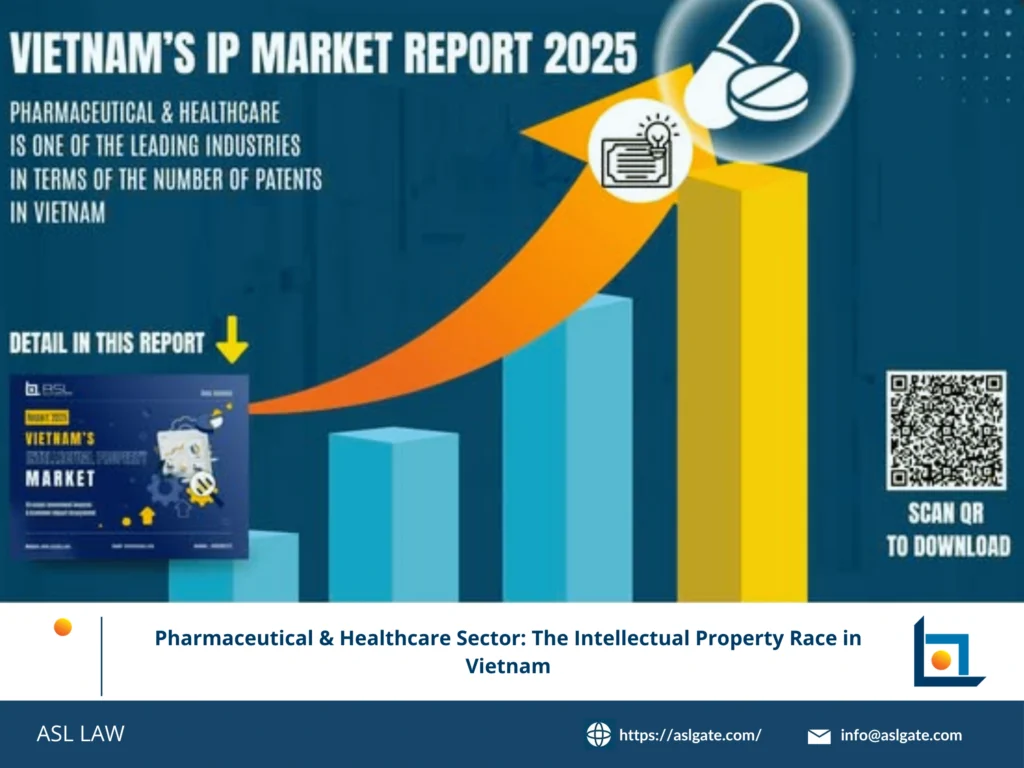
The pharmaceutical and healthcare sector is emerging as one of the leading fields in filing patent in Vietnam, reflecting intense competition between international corporations and domestic enterprises. Vietnam is not only a consumption market but also a strategic destination for regional research and development (R&D) activities. Enterprises doing business in Vietnam should contact a reputable…