Tiếng Việt
 中文 (中国)
 日本語
日本語
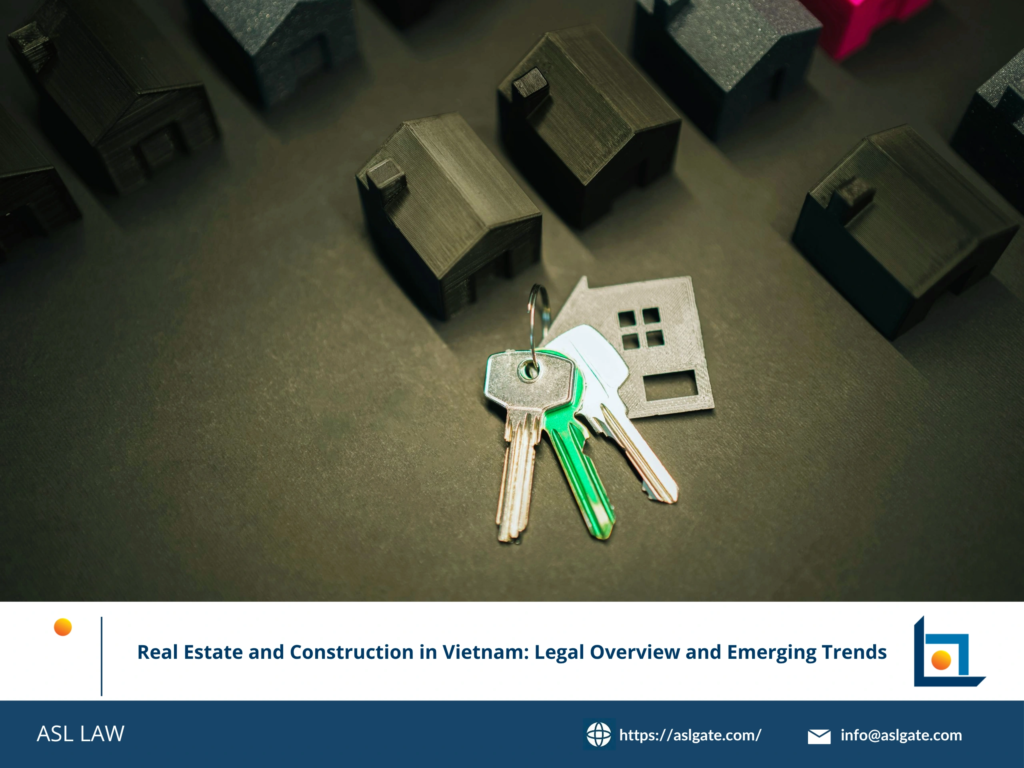
Vietnam’s real estate and construction sectors continue to attract significant domestic and oversea investment as urbanization, infrastructure development, industrial expansion, and sustainable construction reshape the country’s economic landscape. At the same time, evolving legal regulations require investors, developers, contractors, and financial institutions to remain informed about compliance obligations and market developments. Understanding both the legal framework and emerging industry trends is essential for making sound investment decisions and managing long-term project risks.
Comprehensive legal overview of real estate Vietnam has become increasingly important for businesses seeking to participate in one of Southeast Asia’s fastest-growing property markets. Together with emerging construction sector trends Vietnam 2025, updated regulatory requirements, and evolving investment opportunities, companies can better position themselves for sustainable growth while maintaining legal compliance.
Comprehensive Legal Overview of Real Estate Vietnam
Comprehensive legal overview of real estate Vietnam begins with understanding the legal framework governing land use rights, investment approval, project development, construction activities, property transactions, and foreign participation. These regulations establish the legal foundation for acquiring, developing, financing, and transferring real estate projects.
In addition, comprehensive legal overview of real estate Vietnam includes compliance with planning regulations, licensing procedures, environmental requirements, construction standards, and contractual obligations throughout the project lifecycle. Businesses that develop comprehensive compliance strategies are generally better prepared to minimize legal risks and avoid project delays.
Investors should also conduct thorough legal due diligence before committing to significant real estate investments to identify potential regulatory or ownership issues.
Emerging Construction Sector Trends Vietnam 2025
Emerging construction sector trends Vietnam 2025 reflect increasing investment in transportation infrastructure, industrial parks, logistics facilities, renewable energy projects, smart cities, and environmentally sustainable developments. These trends continue to reshape the construction industry’s priorities and investment landscape.
Furthermore, emerging construction sector trends Vietnam 2025 demonstrate growing demand for digital construction technologies, green building standards, energy-efficient design, and advanced project management systems that improve construction quality and operational efficiency.
Developers and contractors that adapt to these changing trends are generally better positioned to compete in Vietnam’s evolving construction market.
Vietnam Property Development Regulations Update
Vietnam property development regulations update continues to influence project planning, investment approvals, construction permits, environmental compliance, and operational management. Regulatory developments often aim to improve transparency, strengthen market governance, and promote sustainable urban development.
Additionally, Vietnam property development regulations update may affect oversea investment procedures, project financing structures, land allocation mechanisms, and administrative approval processes. Businesses should monitor regulatory developments continuously to ensure ongoing compliance throughout project implementation.
Legal advisors and compliance specialists from Vietnam Real estate law firm can assist investors in interpreting new regulatory requirements and adapting project structures accordingly.
New Trends in Vietnamese Construction and Realty
New trends in Vietnamese construction and realty increasingly emphasize sustainability, technology integration, digital transformation, and environmentally responsible development. Green buildings, smart infrastructure, and energy-efficient construction methods are becoming more common across residential, commercial, and industrial projects.
Moreover, new trends in Vietnamese construction and realty include increased investment in industrial real estate, logistics centers, mixed-use developments, data centers, and integrated urban communities that support Vietnam’s expanding economy.
These evolving market trends create opportunities for investors capable of combining commercial objectives with long-term sustainability strategies.
Future Outlook for Vietnam Real Estate Investment
Future outlook for Vietnam real estate investment remains positive due to continued economic growth, expanding infrastructure, increasing foreign investment, and rising demand across multiple property sectors. Industrial, commercial, residential, logistics, and renewable energy-related developments continue attracting considerable investor interest.
Furthermore, future outlook for Vietnam real estate investment will likely be shaped by ongoing legal reforms, sustainable development initiatives, digital innovation, and evolving financing mechanisms that improve market transparency and investment efficiency.
Businesses that combine sound legal planning with comprehensive market analysis are generally better prepared to capitalize on emerging investment opportunities.
Frequently Asked Questions
1. Why is a comprehensive legal overview of real estate Vietnam important for investors?
It helps investors understand legal requirements governing land use, project development, licensing, construction, compliance, and property transactions before making investment decisions.
2. What are the major emerging construction sector trends Vietnam 2025?
Key trends include infrastructure expansion, industrial park development, green construction, smart cities, renewable energy projects, and digital construction technologies.
3. Why should businesses monitor the Vietnam property development regulations update?
Regulatory updates may affect project approvals, compliance obligations, foreign investment procedures, financing structures, and overall project implementation.
4. What are the new trends in Vietnamese construction and realty?
Current trends include sustainable construction, industrial real estate growth, logistics infrastructure, smart buildings, digital technologies, and environmentally responsible development.
5. What is the future outlook for Vietnam real estate investment?
Continued economic growth, infrastructure development, regulatory improvements, and increasing oversea investment are expected to create long-term opportunities across multiple property sectors.
Conclusion
Comprehensive legal overview of real estate Vietnam remains essential for businesses seeking to participate successfully in Vietnam’s dynamic property market. By understanding emerging construction sector trends Vietnam 2025, monitoring Vietnam property development regulations update, and adapting to new trends in Vietnamese construction and realty with the support of Vietnam law firm in Hanoi, investors can strengthen compliance while improving project performance.
Looking ahead, the future outlook for Vietnam real estate investment continues to present substantial opportunities for both domestic and international businesses. Organizations that combine strategic legal planning with sustainable development practices and proactive risk management will be well positioned to achieve long-term success in Vietnam’s rapidly evolving real estate and construction sectors.
ASL Law is a leading full-service and independent Vietnamese law firm made up of experienced and talented lawyers. ASL Law is ranked as the top tier Law Firm in Vietnam by Legal500, Asia Law, WTR, and Asia Business Law Journal. Based in both Hanoi and Ho Chi Minh City in Vietnam, the firm’s main purpose is to provide the most practical, efficient and lawful advice to its domestic and international clients. If we can be of assistance, please email to [email protected].
ASL LAW is the top tier Real Estate law firm in Vietnam. If you need any advice, please contact us for further information or collaboration.