Tiếng Việt
 中文 (中国)
 日本語
日本語
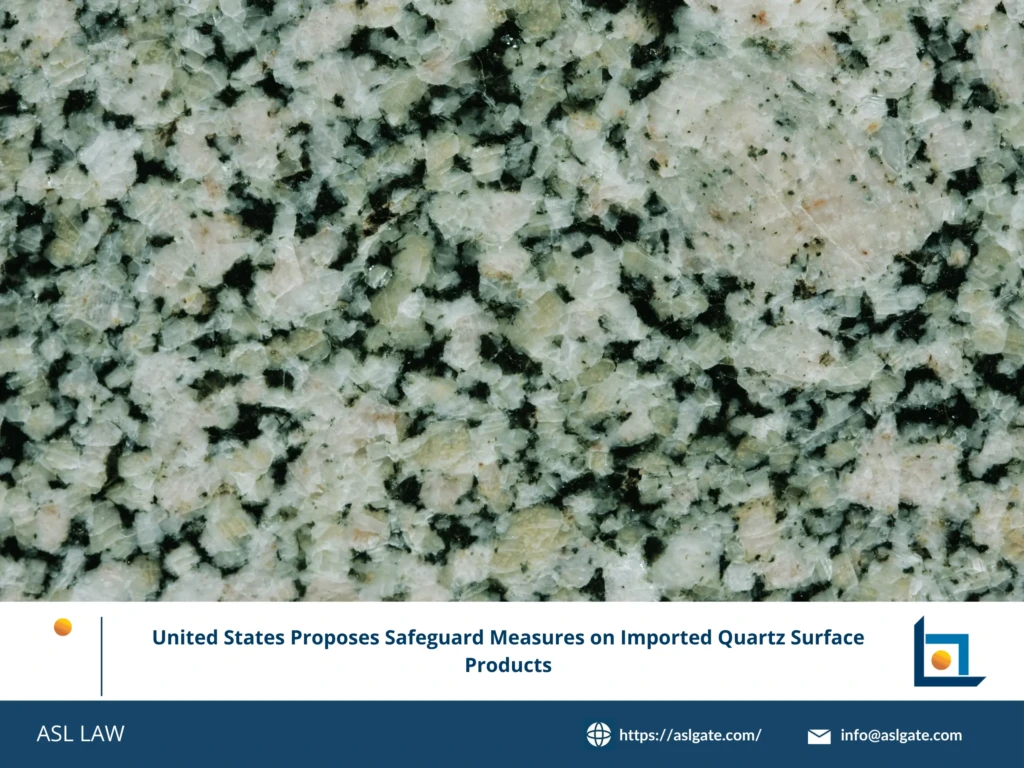
The U.S. International Trade Commission (ITC) has recently announced its recommendations regarding remedy measures in the safeguard investigation concerning quartz surface products imported into the United States market.
According to the recommendations, the ITC proposed the application of a tariff-rate quota (TRQ) mechanism for a period of four years on Quartz Surface Products, including slabs and fabricated stone products. Countries having free trade agreements with the United States would be excluded from the measure.
The quota would be allocated on a quarterly basis, with each quarter accounting for 25% of the annual quota volume. During the first year, imports within the quota would be subject to a 25% duty rate, while imports exceeding the quota would face tariffs of up to 40%.
The ITC proposed the following annual import quota volumes:
• Year 1: 140 million square feet;
• Year 2: 159 million square feet;
• Year 3: 164 million square feet;
• Year 4: 169 million square feet.
Regarding duty rates, the ITC recommended a gradual reduction of 1% per year throughout the duration of the measure. Accordingly, the in-quota tariff would decrease from 25% to 22% by the final year, while the over-quota tariff would decline from 40% to 37% after four years.
The proposed quota volume was developed based on a baseline level of approximately 154 million square feet. According to the ITC, the first-year quota was adjusted downward to address excess imported inventory accumulated during 2025, followed by annual growth of approximately 3% in subsequent years.
Notably, the ITC also proposed the application of a “de-stacking” mechanism, meaning safeguard duties would not overlap with other additional duties, except for antidumping duties and countervailing duties. As a result, imported products may still simultaneously be subject to safeguard measures and other trade remedy measures such as antidumping or countervailing duties.
According to preliminary assessments, exports from Vietnam are not expected to qualify for exemption from the proposed tariff-rate quota measure. In addition, the ITC recommended consideration of anti-circumvention mechanisms targeting countries not subject to the safeguard measure.
The ITC officially initiated the safeguard investigation on December 2, 2025.
In light of these developments, the Vietnam Trade Remedies Authority has recommended that manufacturers and exporters of quartz surface products closely monitor the case and proactively develop response strategies in the event that the United States officially imposes safeguard remedy measures.
To protect their legitimate interests, manufacturers and exporters should familiarize themselves with the procedure and actively contact Vietnam Antidumping Law Firm specializing in anti-dumping and trade remedy for timely assistance.
ASL Law is a leading full-service and independent Vietnamese law firm made up of experienced and talented lawyers. ASL Law is ranked as the top tier Law Firm in Vietnam by Legal500, Asia Law, WTR, and Asia Business Law Journal. Based in both Hanoi and Ho Chi Minh City in Vietnam, the firm’s main purpose is to provide the most practical, efficient and lawful advice to its domestic and international clients. If we can be of assistance, please email to [email protected].
ASL LAW is the top-tier Vietnam law firm for Anti-dumping & countervailing. If you need any advice, please contact us for further information or collaboration.